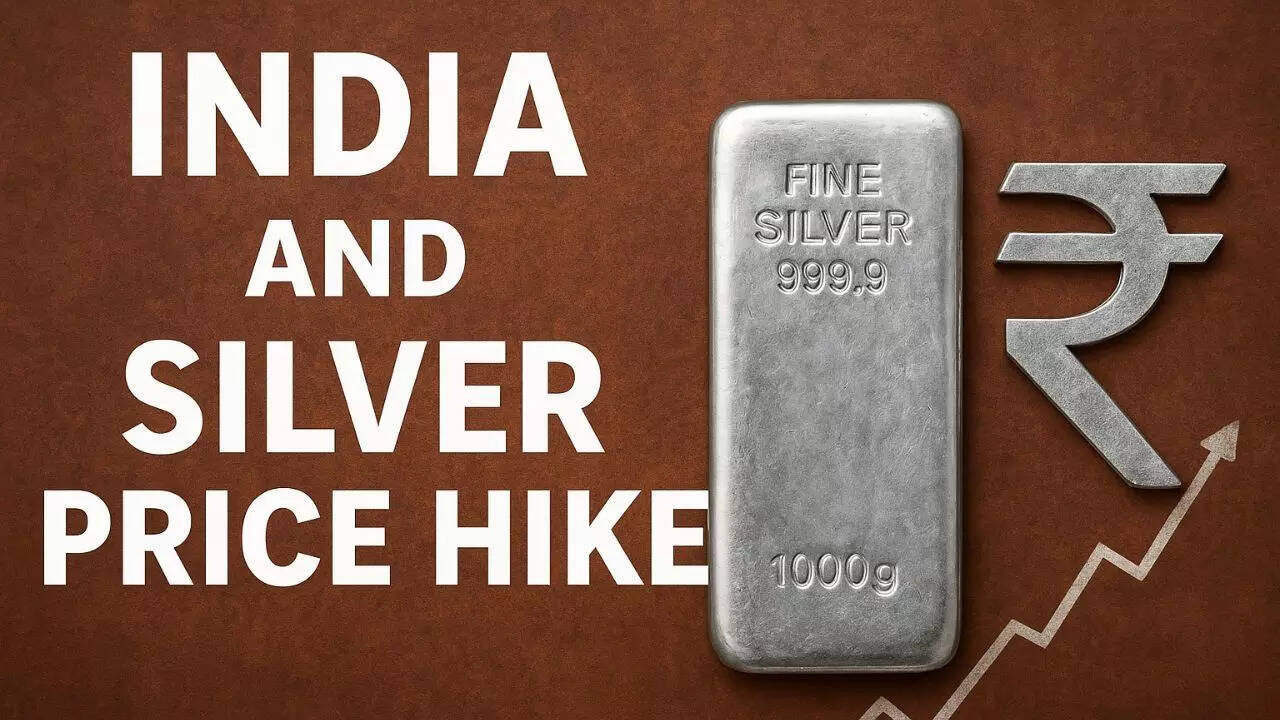
India’s Diwali silver buying frenzy, fueled by social media hype, triggered a global market crisis. Unprecedented demand drained inventories, leading to a severe shortage and extreme price volatility. This surge, combined with industrial growth and ETF accumulation, pushed the silver market to its breaking point.
Is India About to Rock the Global Silver Market?
For centuries, silver has captivated us – adorning royalty, backing currencies, and powering industries. But could this precious metal be on the verge of a seismic shift? Recent rumblings in the London Bullion Market Association (LBMA), the heart of global silver trading, suggest something significant is brewing, and whispers point towards a major influence: India.
The LBMA, the gatekeeper of good delivery standards for silver, recently issued a rather unusual “market alert.” This wasn’t your run-of-the-mill market update; it was a clear sign that something was amiss. The issue? A potential squeeze on the availability of silver bars meeting their stringent specifications – bars that are, essentially, the gold standard (pun intended!) for international trade.
So, what’s causing this potential bottleneck? The narrative swirling around financial circles increasingly points to India’s burgeoning demand for silver.
India’s Insatiable Appetite for Silver
India’s love affair with silver is ancient and deeply ingrained in its culture. From intricate jewelry and elaborate silverware to essential components in solar panels and electronics, silver holds a prominent place in the nation’s economy and traditions. During auspicious occasions like Diwali and weddings, silver purchases surge, reflecting its significance in gifting and religious practices.
This robust domestic demand isn’t new, but its scale appears to be reaching unprecedented levels. While specific data is difficult to pinpoint, anecdotal evidence suggests a substantial increase in silver imports, particularly of the specific bar sizes that the LBMA deems acceptable. This surge in demand is driven by a growing middle class with disposable income and a continued cultural preference for silver, meaning that the demand is unlikely to wane soon.


The LBMA’s Silver Headache: What’s the Problem?
The LBMA’s concern stems from the limited number of refineries globally that can consistently produce silver bars meeting their exacting standards. If India is absorbing a significant portion of this “good delivery” silver, it creates a potential shortage for other market participants.
Imagine a global silver marketplace where the most sought-after form of silver – the LBMA-approved bar – becomes scarce. This scarcity could lead to price volatility and potentially disrupt the smooth functioning of the market. The LBMA alert was likely a preemptive measure, designed to alert refineries and market participants to the potential issue and encourage them to address it.
This isn’t necessarily about India doing anything “wrong.” It’s simply a matter of supply struggling to keep pace with a rapidly growing demand. The challenge lies in ensuring that refineries can increase their output of LBMA-approved silver bars to meet the global demand, including India’s ever-increasing appetite.
Could This Lead to a Silver Market Crisis in 2025?
The LBMA’s alert, while concerning, doesn’t necessarily signal an impending crisis. However, it does highlight the need for proactive measures. Refineries need to ramp up production, and the LBMA may need to consider ways to streamline the accreditation process for new refineries. This is especially important as some are already predicting a silver squeeze in 2025.
Furthermore, the market may need to become more flexible in accepting different forms of silver. While LBMA-approved bars are the gold standard, alternative forms of silver, properly assayed and verified, could help alleviate the pressure on supply. This could involve relaxing some of the requirements for bars used in industrial applications.

For investors, this situation presents both risks and opportunities. The potential for price volatility could create short-term trading opportunities. However, it also underscores the importance of careful due diligence and a long-term investment perspective. To learn more about protecting your portfolio during periods of market volatility, see our article on [Diversification Strategies for Long-Term Growth](link-to-related-article).
India’s Role in Shaping the Future of Silver
India’s growing economic influence is undeniable, and its impact on global commodity markets is only set to increase. The potential silver squeeze is a perfect example of how a single nation’s demand can reverberate across the entire global marketplace. This also highlights the interconnectedness of global trade and the potential impact of regional events on the world stage.
Ultimately, the “silver market crisis” narrative might be overblown. However, the LBMA’s alert serves as a crucial reminder of the dynamic forces shaping the global silver market and the importance of adapting to changing demand patterns. The coming months will be critical in determining whether the silver market can adjust to India’s growing influence and ensure the stable supply of this precious metal for all. The future of silver depends on how the global economy responds.