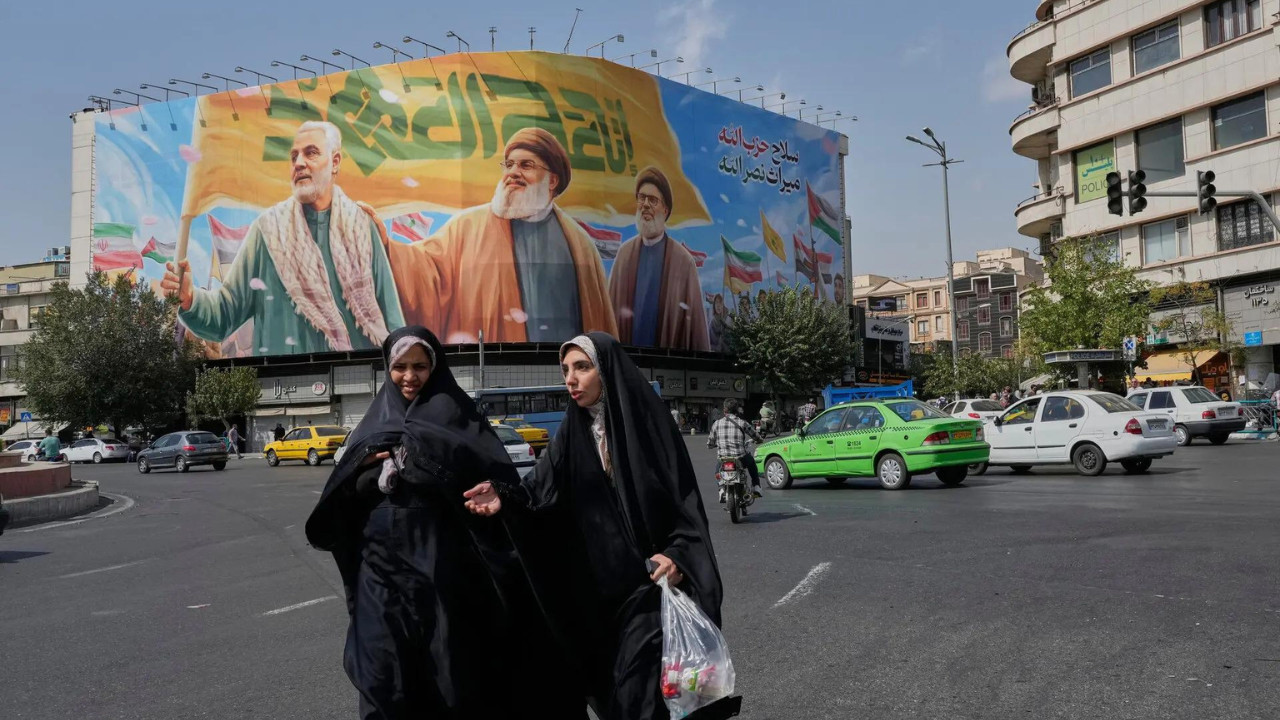
The UN has reimposed wide-ranging sanctions on Iran over its nuclear program, triggered by European powers due to Iran’s uranium enrichment and non-compliance. This has led to severe economic hardship, including currency collapse and soaring food prices, while fears of renewed conflict with Israel and the US loom. Diplomacy remains uncertain amid intensifying internal repression.
Navigating the Nuclear Tightrope: The UN’s Sanctions Snapback on Iran
The international chess game surrounding Iran’s nuclear program just took another dramatic turn. The United Nations has reinstated sanctions, a move likely to ripple through Iran’s already fragile economy and further inflame regional tensions. But what triggered this escalation, and what does it all mean?
For years, the international community has wrestled with concerns about Iran’s nuclear ambitions. The 2015 nuclear deal, formally known as the Joint Comprehensive Plan of Action (JCPOA), offered a glimmer of hope, promising sanctions relief in exchange for verifiable limits on Iran’s nuclear activities. However, that accord has been on shaky ground since the United States unilaterally withdrew in 2018, reimposing its own sanctions.
The current “snapback” of UN sanctions stems from claims that Iran has violated the terms of the JCPOA. While Iran insists its nuclear program is solely for peaceful purposes, such as energy and medical isotopes, critics point to its increasing uranium enrichment levels and restrictions on international inspectors as evidence to the contrary. The details, often shrouded in technical jargon, are less important than the overarching narrative: trust has eroded, and tensions are escalating.

What exactly does this “snapback” entail? It essentially restores all UN sanctions that were in place before the 2015 agreement. This includes restrictions on Iran’s ballistic missile program, arms embargoes, and asset freezes targeting individuals and entities involved in the nuclear program. The impact is likely to be far-reaching, further isolating Iran from the global financial system and hindering its ability to trade and invest.

The economic consequences for Iran could be severe. The country is already grappling with high inflation, unemployment, and a depreciating currency, all exacerbated by previous sanctions and the COVID-19 pandemic. This new wave of restrictions will further squeeze Iran’s oil exports, its main source of revenue, and make it even harder for ordinary Iranians to make ends meet.
But the implications extend beyond economics. The sanctions snapback is likely to heighten regional tensions, particularly between Iran and its rivals, such as Saudi Arabia and Israel. Hardliners within Iran may see this as further justification for a more assertive foreign policy, potentially leading to increased support for proxy groups in the region and further destabilizing an already volatile situation.

The reaction from other world powers has been mixed. The European Union, along with Russia and China, have expressed concerns about the impact of the sanctions and have vowed to continue working to preserve the JCPOA. However, their ability to shield Iran from the full force of the sanctions is limited. The United States, on the other hand, has welcomed the snapback and has pledged to enforce the restrictions vigorously. This divergence in viewpoints underscores the deep divisions within the international community on how to address the Iranian nuclear issue.
Finding a way forward will require careful diplomacy and a willingness to compromise. Sanctions alone are unlikely to resolve the underlying concerns about Iran’s nuclear ambitions. A more comprehensive approach, involving direct dialogue, confidence-building measures, and verifiable guarantees, is needed to break the current impasse. See our article on [The History of Nuclear Proliferation](internal-link-to-relevant-article). The stakes are high, and the path ahead is fraught with challenges. Failure to find a diplomatic solution could lead to further escalation and potentially even conflict.
In conclusion, the UN’s snapback over the nuclear programme represents a significant escalation in the ongoing saga surrounding Iran’s nuclear ambitions. The move, while intended to curb proliferation, carries significant risks, from further economic hardship for the Iranian people to heightened regional tensions. A renewed commitment to diplomacy and a willingness to explore alternative solutions is essential to navigate this complex and dangerous situation.