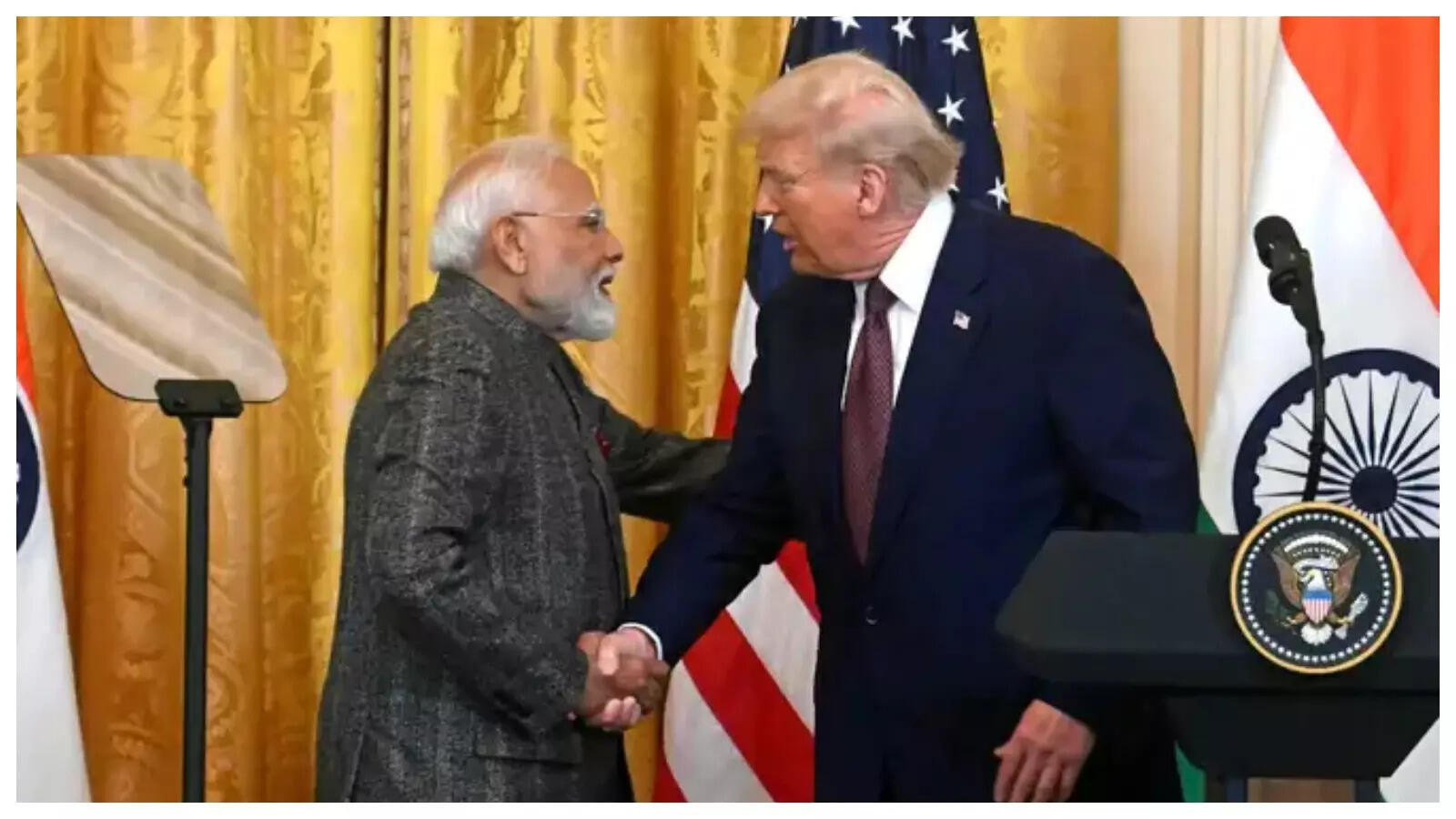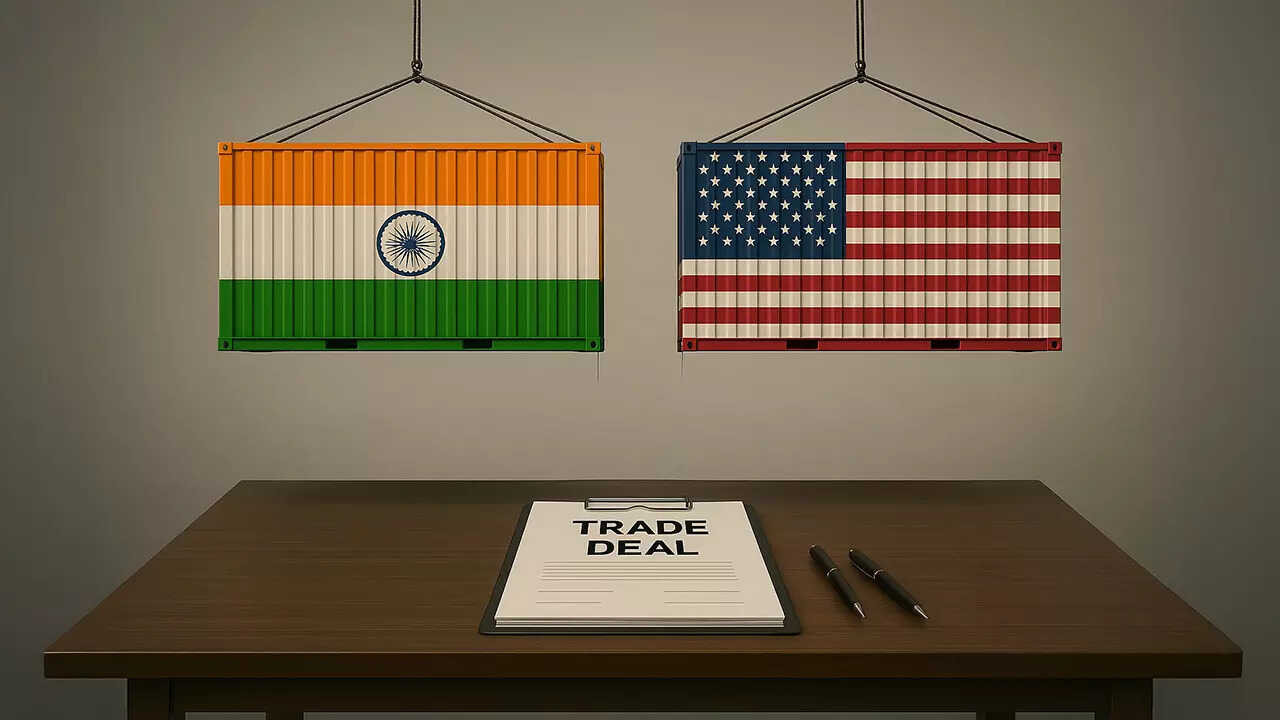
India-US trade deal: A senior Trump administration official indicated a trade deal between India and the US is nearing finalization, though complexities arise from India’s dealings with Russia. Discussions have been ongoing since March, with both sides expressing optimism for a fair and balanced agreement that protects Indian communities.
India-US Trade Deal: Still a Distant Dream?
For years, the prospect of a comprehensive trade agreement between India and the United States has danced tantalizingly on the horizon. We’ve heard whispers, seen promising gestures, and even felt the momentum build, only to witness the deal slip through our fingers time and again. Now, a former Trump administration official has shed light on the persistent roadblocks, offering a candid perspective on why this seemingly natural partnership continues to face such significant hurdles.
The core issue, as articulated by Earl Comstock, a veteran of trade negotiations, boils down to a complex web of factors, with India’s relationship with Russia playing a surprisingly pivotal role. While both nations recognize the immense potential of deeper economic ties, the reality of navigating geopolitical complexities and deeply entrenched trade practices proves to be an ongoing challenge.
The Russia Factor: A Wedge in the Works?
It’s no secret that India maintains strong historical and strategic ties with Russia, particularly in the areas of defense and energy. This relationship, while not necessarily aligned with US foreign policy objectives, has been a cornerstone of India’s geopolitical strategy for decades. However, in the current global landscape, particularly in the wake of the Russia-Ukraine conflict, this alignment has come under increased scrutiny and presents a significant obstacle to fostering closer trade relations with the US.
Comstock pointedly noted that the US is wary of inadvertently funding Russia’s war efforts through increased trade with a nation that maintains strong economic links with Moscow. This concern, while understandable, adds a layer of political complexity to an already intricate negotiation process. It’s not simply about tariffs and market access; it’s about broader strategic considerations and the potential implications for international security.
Beyond Geopolitics: Unpacking the Trade Barriers
Of course, the India-Russia dynamic is only one piece of the puzzle. Longstanding trade barriers and divergent economic philosophies also contribute to the impasse. India, with its large and rapidly growing economy, often prioritizes protecting its domestic industries, particularly in sectors like agriculture and manufacturing. This protectionist approach, while understandable from a developmental perspective, clashes with the US’s push for greater market access and a level playing field for its companies.
Furthermore, intellectual property rights and data localization policies have emerged as sticking points in past negotiations. The US has consistently advocated for stronger protections for intellectual property, while India has sought to balance these concerns with its own developmental needs and access to affordable technology. Similarly, debates over data localization, which requires companies to store data within national borders, have further complicated the process.

Finding a Path Forward: Can the Divide Be Bridged?
Despite these challenges, the desire for a stronger India-US trade relationship remains strong on both sides. The potential benefits are simply too significant to ignore. A comprehensive trade agreement could unlock billions of dollars in economic opportunities, create jobs, and foster innovation in both countries.
So, how can these obstacles be overcome? The key lies in finding creative solutions that address the legitimate concerns of both sides. This may involve exploring alternative trade frameworks, focusing on specific sectors where cooperation is easier, and building trust through greater transparency and dialogue.

One promising avenue could be focusing on areas where strategic alignment is already strong, such as technology and clean energy. By prioritizing these sectors, the two countries can demonstrate their commitment to collaboration while addressing pressing global challenges. Additionally, both sides need to engage in frank and open discussions about their respective concerns regarding Russia, exploring ways to mitigate potential risks and ensure that trade flows do not inadvertently undermine international security efforts. See more on India’s technology sector.
Ultimately, a successful India-US trade deal requires a willingness to compromise, a long-term vision, and a recognition that a deeper economic partnership is in the best interests of both nations. While the road ahead may be bumpy, the potential rewards are well worth the effort.
Conclusion: A Partnership Worth Pursuing
The journey towards a comprehensive India-US trade agreement is undoubtedly complex, fraught with geopolitical and economic hurdles. But the persistent desire for closer ties underscores a fundamental truth: a strong economic partnership between the world’s largest democracy and a rising global power is a strategic imperative. Overcoming these obstacles requires ingenuity, compromise, and a shared commitment to building a future where both nations can thrive. The potential benefits are simply too great to ignore, making the pursuit of a mutually beneficial trade agreement a worthwhile endeavor for both India and the United States.