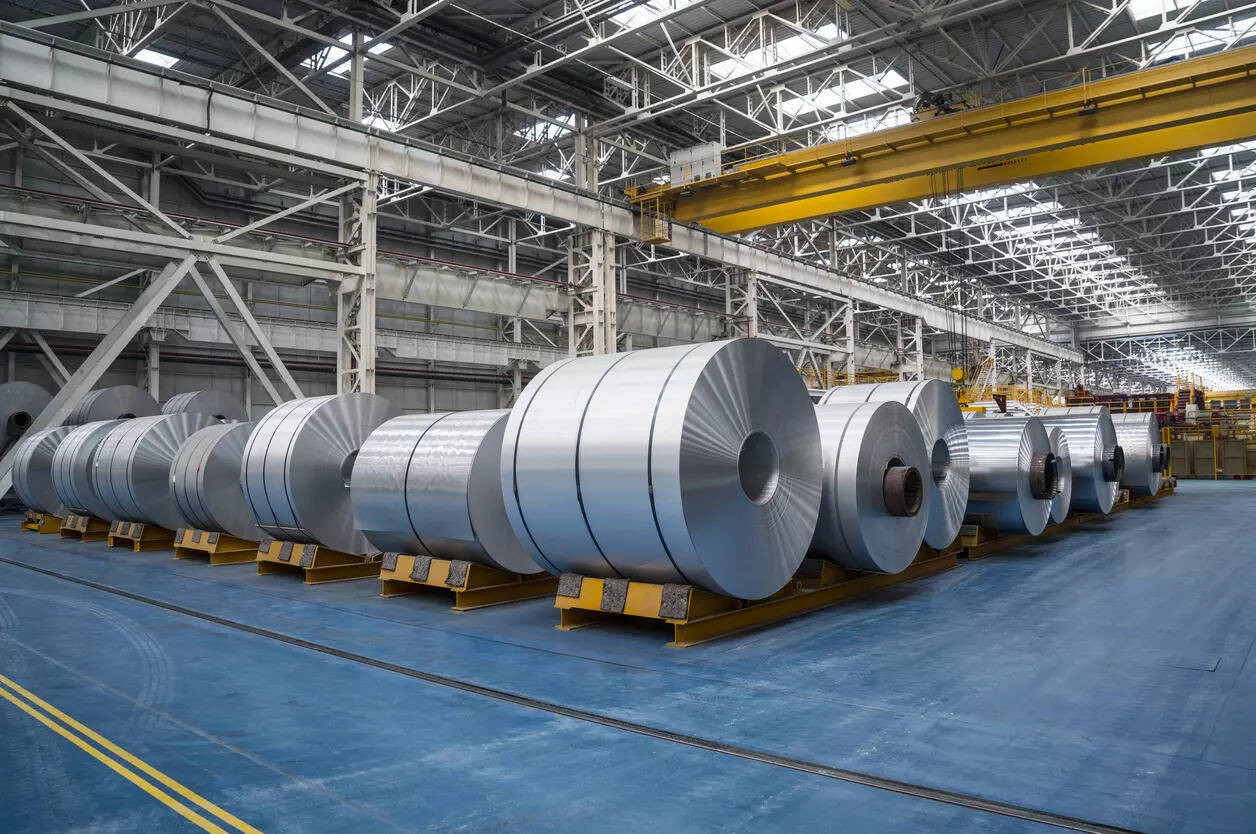
The Centre has extended the quality enforcement timeline for specific steel and stainless-steel imports until March 2026. This move aims to prevent supply disruptions of specialized steel grades not yet produced domestically in sufficient quantities. The government also simplified import procedures for steel grades not covered by existing Quality Control Orders.
Steel Yourself: What the Latest Quality Compliance Extension Means for India’s Infrastructure
The rumble of construction, the skeletal rise of skyscrapers, the ever-expanding network of roads – all these vital components of India’s growth story rely on one fundamental material: steel. And the government’s recent decision to extend the exemption from quality control orders (QCOs) for certain steel products is sending ripples through the industry. But what does this extension really mean for the future of Indian infrastructure and the steel sector as a whole?
For those unfamiliar, QCOs are mandatory standards implemented to ensure the quality and safety of products sold in the Indian market. In the context of steel, these orders dictate specific benchmarks for strength, durability, and composition, aiming to weed out substandard materials and ensure that infrastructure projects are built on a foundation of reliable steel. The initial implementation faced challenges, particularly for smaller manufacturers and importers adapting to the new requirements.
The initial deadline for full compliance with these stringent QCOs for specific steel grades was approaching fast, triggering concerns within certain segments of the industry. These segments, particularly those involved in specialized applications and imports of certain steel grades, cited potential disruptions to ongoing projects and supply chain bottlenecks if the QCOs were strictly enforced without adjustments.
The government, recognizing the critical role steel plays in national development, has granted a temporary reprieve. This extension buys the industry time – time to adapt, to innovate, and to ensure that their products meet the mandated standards without jeopardizing the momentum of critical infrastructure projects. Think of it as a strategic pause, not a full stop.

But why the extension? The government’s rationale centers on a couple of key factors: avoiding immediate disruptions to ongoing projects and providing more breathing room for manufacturers – especially smaller players – to upgrade their facilities and processes to meet the new standards. It’s a tightrope walk between enforcing quality and ensuring a stable supply of this vital material.

The extension specifically targets certain steel grades, acknowledging that the transition to full compliance is not a one-size-fits-all scenario. Some grades, due to their specialized applications or import dependencies, require a more gradual adoption of the new standards. By focusing on these specific areas, the government aims to minimize disruption while maintaining the overall commitment to quality.
So, what’s next? This isn’t a green light to ignore the QCOs altogether. Instead, it’s an opportunity for the steel sector to double down on efforts to meet the standards. Manufacturers need to invest in technology upgrades, refine their production processes, and prioritize quality control at every stage.
For consumers, this extension might seem like a distant policy change, but its impact will be felt in the long run. Stronger, more durable steel translates to safer bridges, more resilient buildings, and ultimately, a more robust national infrastructure. It’s about investing in a future where quality is non-negotiable. This move also provides a cushion for ancillary industries that rely on consistent steel supply, preventing potential price hikes or project delays that could impact the broader economy.

The government’s decision underscores a commitment to balancing short-term economic considerations with long-term quality imperatives. It highlights the importance of ongoing dialogue between policymakers and industry stakeholders to ensure that regulations are both effective and practical.
Read more about the role of infrastructure development in India’s economic growth: [Link to related content on your website]
The extension of the QCO deadline presents a crucial window of opportunity for the Indian steel industry. By prioritizing innovation, investment, and collaboration, the sector can not only meet the new standards but also emerge stronger, more competitive, and better equipped to fuel India’s continued growth. Ultimately, ensuring the quality of steel is not just about compliance; it’s about building a more resilient and sustainable future for the nation.