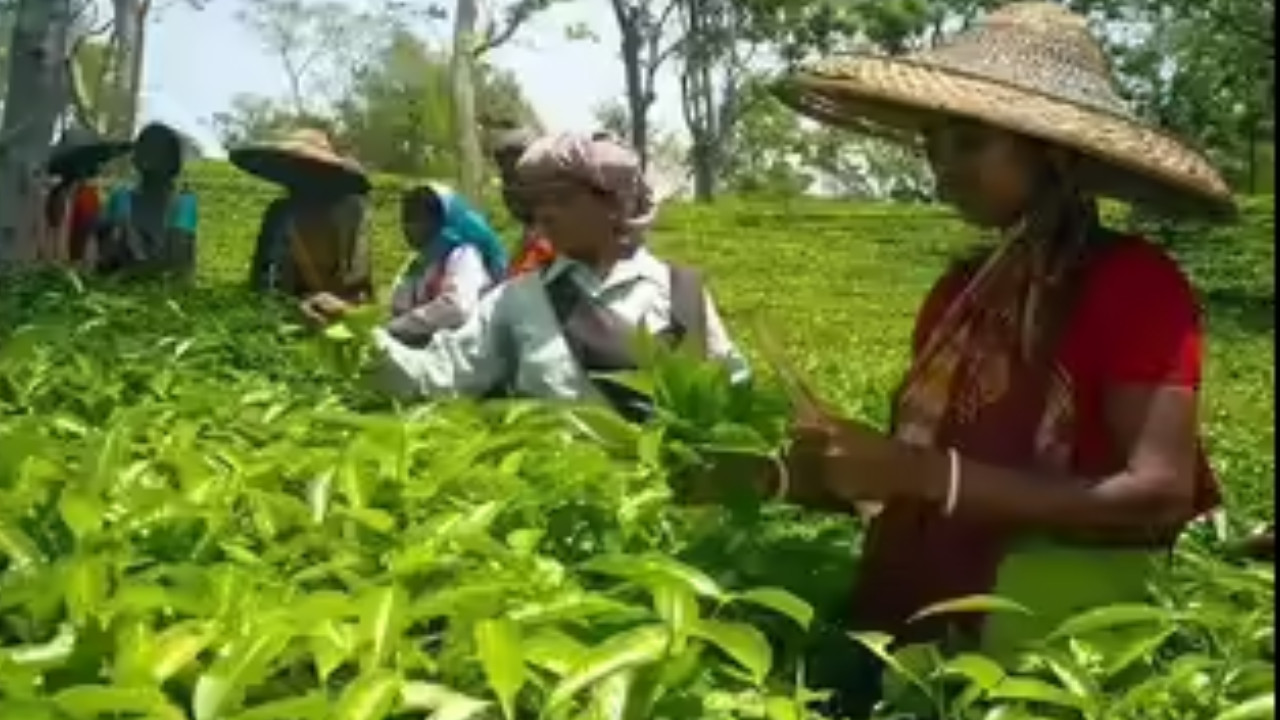
The Tea Board urges the industry to embrace stringent food safety standards for long-term success. Their new Plant Protection Code emphasizes sustainable practices like integrated pest management to reduce chemical reliance, safeguarding ecosystems, workers, and consumers. Adherence to these guidelines is vital for maintaining India’s tea competitiveness and meeting global demands for safe, responsible products.
Sip Smarter: Tea Board Signals a New Era for Sustainable Tea
Imagine a cup of tea. What comes to mind? Perhaps a cozy afternoon, a moment of calm, or even a vibrant cultural tradition. But what if that simple cup could also represent something more: a commitment to environmental responsibility and ethical labor practices?
That’s precisely the vision brewing within the Tea Board of India. A recent announcement signals a significant push towards sustainability within the nation’s tea industry, impacting everything from pesticide use to worker welfare. Forget the “same old cuppa”; this is tea with a conscience.
Beyond the Brew: Food Safety at the Forefront
The Tea Board isn’t just gently suggesting change; it’s urging strict adherence to food safety standards. This means tea producers will face increased scrutiny regarding the presence of contaminants and the overall quality of their product. It’s not just about taste anymore; it’s about ensuring the tea you’re drinking is safe and healthy.
This intensified focus on food safety is great news for consumers. It provides greater confidence in the quality and purity of Indian tea, both domestically and internationally. For producers, it means adopting more rigorous testing procedures and investing in practices that minimize potential risks. It’s a win-win situation, albeit one that requires adaptation and commitment.

A Greener Garden: Eco-Friendly Pest Control Takes Root
One of the most exciting aspects of this sustainability drive is the promotion of eco-friendly pest control methods. The Tea Board is actively encouraging producers to move away from harmful chemical pesticides and embrace more sustainable alternatives. This includes integrated pest management (IPM) techniques, biological controls, and other innovative approaches.
Think of it as a return to harmony with nature. By reducing reliance on synthetic pesticides, the tea industry can protect biodiversity, safeguard the health of farmworkers, and minimize the environmental impact of tea production. This shift towards sustainable tea farming is not just a trend; it’s a necessity for the long-term health of the planet.

People First: Prioritizing Worker Welfare
Sustainability isn’t just about the environment; it’s also about the people who make the tea industry possible. The Tea Board’s new code places a strong emphasis on worker welfare, addressing issues such as fair wages, safe working conditions, and access to healthcare and education.
This commitment to social responsibility is crucial for creating a truly sustainable tea industry. By prioritizing the well-being of workers, producers can foster a more engaged and productive workforce, while also contributing to the overall development of tea-growing communities.

What Does This Mean for Your Next Cup?
The implications of the Tea Board’s sustainability push are far-reaching. For consumers, it means access to higher-quality, safer, and more ethically produced tea. For producers, it means adapting to new standards and embracing more sustainable practices. For the environment, it means reduced pollution and greater biodiversity.
This isn’t just about drinking tea; it’s about supporting a more sustainable and responsible industry. By choosing tea that is produced with environmental and social responsibility in mind, you can make a positive impact on the world, one cup at a time. Consider exploring the nuances of fair trade practices and how they intersect with sustainable tea production. It’s a fascinating world, and one worth delving into. Find out more about our company’s commitment to worker rights.
Brewing a Better Future, Together
The Tea Board of India’s commitment to sustainability represents a bold step towards a more responsible and ethical tea industry. While challenges undoubtedly remain, this initiative signals a genuine desire to create a more sustainable future for tea – one that benefits consumers, producers, and the planet alike. This marks a new chapter in the story of Indian tea, one that emphasizes quality, responsibility, and a deep respect for the environment and the people who cultivate this beloved beverage. The proof, as they say, will be in the (sustainable) pudding…or rather, the tea.