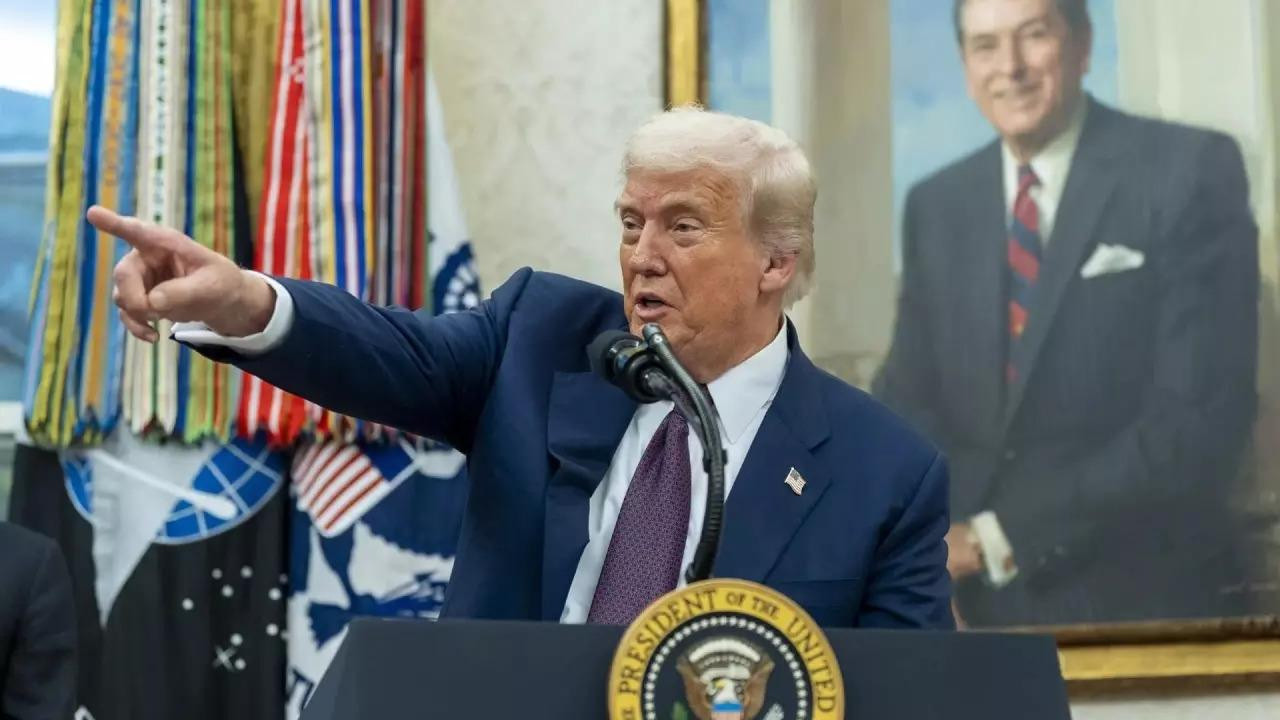
Donald Trump announced on Truth Social that Coca-Cola has agreed to replace high-fructose corn syrup with real cane sugar in its US soft drinks, following his request. Coca-Cola acknowledged Trump’s support but didn’t confirm the change. The potential switch sparks debate over economic impacts and health implications, as Trump’s history with Diet Coke adds intrigue.
Is Coke About to Get a Whole Lot Sweeter? The Cane Sugar Rumor Mill Churns
Remember that iconic red can? For generations, it’s been a symbol of refreshment, a ubiquitous presence at ball games, barbecues, and just about every gathering in between. But lately, whispers have been swirling around the Coca-Cola company, whispers of a change that could fundamentally alter the flavor we’ve come to know so well. Could Coca-Cola be switching back to using real cane sugar in its U.S. beverages?
The buzz started, predictably, with Donald Trump. During a recent rally, the former president made a rather bold claim: that he had personally convinced Coca-Cola to ditch high-fructose corn syrup (HFCS) and return to the cane sugar formula of yesteryear. Now, pronouncements from the political stage should always be taken with a grain of salt (or perhaps a spoonful of sugar?), but this one has sparked a flurry of speculation and excitement.

The response from Coca-Cola itself has been, shall we say, nuanced. While the company hasn’t exactly confirmed a nationwide swap to cane sugar, they haven’t denied it outright, either. Instead, they’ve stated that they continuously evaluate ingredients and formulations to meet consumer preferences. A classic corporate response, leaving the door open without committing to anything concrete. This adds fuel to the fire, doesn’t it?

So, what’s the real story here? And why does it even matter?
For many, the switch from cane sugar to HFCS decades ago was a flavor downgrade. Purists argue that cane sugar provides a cleaner, crisper sweetness, while HFCS can leave a slightly metallic or artificial aftertaste. Nostalgia also plays a role. For those who grew up with cane sugar-sweetened Coke, the current version simply doesn’t measure up to those cherished childhood memories. You can explore the history of Coca-Cola and its ingredients on sites like Wikipedia.
The potential return to cane sugar also taps into a broader trend towards healthier and more natural ingredients. Consumers are increasingly scrutinizing food labels, demanding transparency and shunning artificial additives. While HFCS is generally considered safe by regulatory bodies, it has been linked to health concerns in some studies, further fueling the demand for alternatives.
However, the shift isn’t without its challenges. Cane sugar is often more expensive than HFCS, which could translate to higher prices for consumers. Sourcing cane sugar sustainably is another concern, as sugarcane production can have environmental and social impacts. Coca-Cola would need to ensure that its supply chain adheres to ethical and environmentally responsible practices.
Of course, Coca-Cola already uses cane sugar in some of its products. Coca-Cola de Mexico, for example, is famously sweetened with cane sugar, leading to a devoted following among those who prefer its perceived superior taste. These variations often command a premium price and are seen as a more “authentic” version of the classic soda.

If Coca-Cola were to make the switch back to cane sugar on a large scale in the U.S., it would be a monumental decision with ripple effects throughout the food and beverage industry. It could influence other companies to reconsider their own reliance on HFCS and potentially drive down the cost of cane sugar through increased demand.
Ultimately, the decision rests with Coca-Cola. Will they heed the calls of consumers yearning for that classic cane sugar taste? Will they embrace the trend towards healthier and more natural ingredients? Or will they continue to stick with the status quo? Only time will tell.
One thing’s for sure: the conversation around Coca-Cola’s ingredients is far from over. Whether it’s fueled by a political declaration or genuine consumer demand, the possibility of a cane sugar Coke comeback has captured the attention of soda lovers everywhere. The beverage giant has a lot to consider as it navigates changing consumer preferences and supply chain complexities. This potential shift showcases the power consumers hold in influencing even the largest global brands.