Food for Thought: How India’s Delivery Apps Are Changing the Investment Landscape
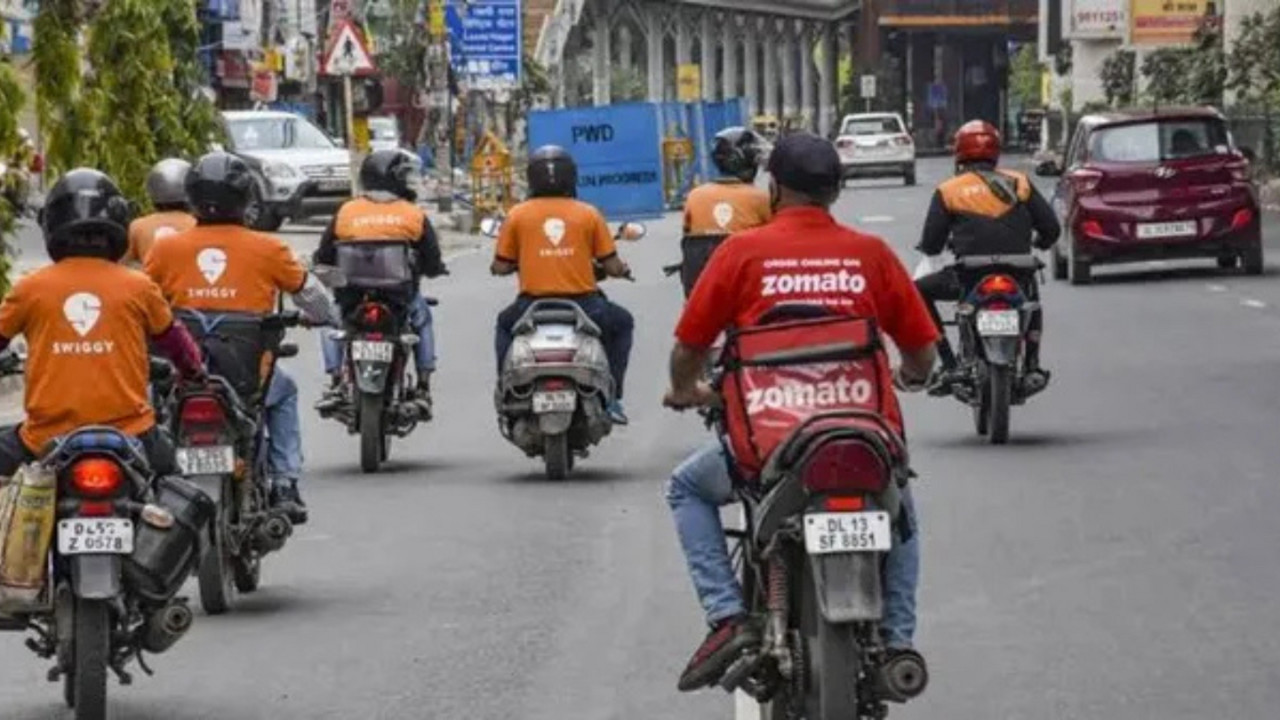
The Indian food and grocery delivery scene is a whirlwind of scooters, hungry customers, and increasingly, some fascinating financial maneuvers. Forget quiet dinners – the market is buzzing with activity, especially when it comes to fundraising. While both public and private funding avenues are hot, the players navigating them are taking very different routes. Let’s dive into who’s topping the charts and how they’re doing it.
Swiggy and Zomato Feast on Public Market Funds
The public market is where the big players flex their muscles. This year, giants like Swiggy and Zomato are leading the charge, gobbling up significant investment through various avenues. Think of it as a popularity contest, but instead of votes, it’s measured in rupees. These companies, already household names, have proven they can attract and retain a massive customer base. This established market presence makes them attractive to larger investors, eager to capitalize on the continued growth of India’s digital commerce sector. They’re not just promising potential; they’re delivering (pun intended!) results, which resonates well with public market investors seeking stability and scalable growth.
But why this continuous need for capital? It’s simple: expansion. These companies aren’t content with just delivering your dinner. They are aggressively expanding into new markets, exploring different verticals like quick commerce, and investing heavily in technology to streamline operations and enhance the user experience. Competition is fierce, and staying ahead requires deep pockets.
Zepto Races Ahead in the Private Capital Dash
While Swiggy and Zomato are kings of the public markets, Zepto is the Usain Bolt of the private capital race. The quick-commerce startup has managed to secure the most private funding, proving that speed isn’t just about delivering groceries in 10 minutes. It’s also about rapidly attracting investor confidence.
Zepto’s success highlights a key trend: the rise of quick commerce. Consumers are increasingly demanding instant gratification, and Zepto has positioned itself perfectly to capitalize on this demand. Investors are betting big that this trend will continue, and that Zepto can maintain its competitive edge in a rapidly evolving market. The company’s ability to consistently deliver on its promise of speedy delivery, coupled with its efficient supply chain management, has made it a darling of the private investment world.


The difference between public and private funding isn’t just about the source of the money. It’s also about the stage of the company. Private funding often involves higher risk but also the potential for higher returns. Investors are willing to take that risk because they believe in the company’s long-term vision and its ability to disrupt the market.
What Does This Mean for the Future of Food and Grocery Delivery in India?
The influx of capital into the food and grocery delivery sector signifies a maturing market, but also an increasingly competitive one. Swiggy and Zomato are leveraging their established brands and scale to attract public investment, allowing them to further solidify their dominance. Meanwhile, Zepto’s success in securing private funding demonstrates the power of innovation and the appeal of quick commerce to a new generation of consumers.
This dynamic investment landscape fuels innovation and competition, ultimately benefiting the consumer. We can expect to see continued improvements in delivery times, wider product selections, and even more competitive pricing. The race is on to capture the hearts (and stomachs) of Indian consumers, and the companies that can best adapt to changing demands will be the ones that ultimately thrive.
The implications also extend beyond the immediate delivery space. These companies are becoming increasingly sophisticated in their use of data analytics and artificial intelligence, which has implications for everything from logistics and supply chain management to marketing and customer service. The skills and technologies developed in this sector are spilling over into other areas of the economy, driving innovation and growth across the board. This growing market also has a direct impact on the employment rate across major cities.

And as these companies grow, so does their responsibility. Sustainability, fair labor practices, and data privacy are all issues that will come under increasing scrutiny. The companies that can address these challenges effectively will be best positioned for long-term success. Explore more about the changing dynamics of the Indian startup ecosystem and how innovation is shaping the future economy by reading about other exciting developments in Indian tech.
The Bottom Line
The Indian food and grocery delivery market is a dynamic and exciting space, driven by innovation and fueled by significant investment. Swiggy, Zomato, and Zepto are leading the charge, each leveraging different funding strategies to achieve their ambitious goals. As the market continues to evolve, it will be fascinating to see which companies emerge as the ultimate winners in this high-stakes game. The flow of capital into these ventures suggests a promising future for convenience, speed, and a digitally empowered food and grocery experience for consumers across India.