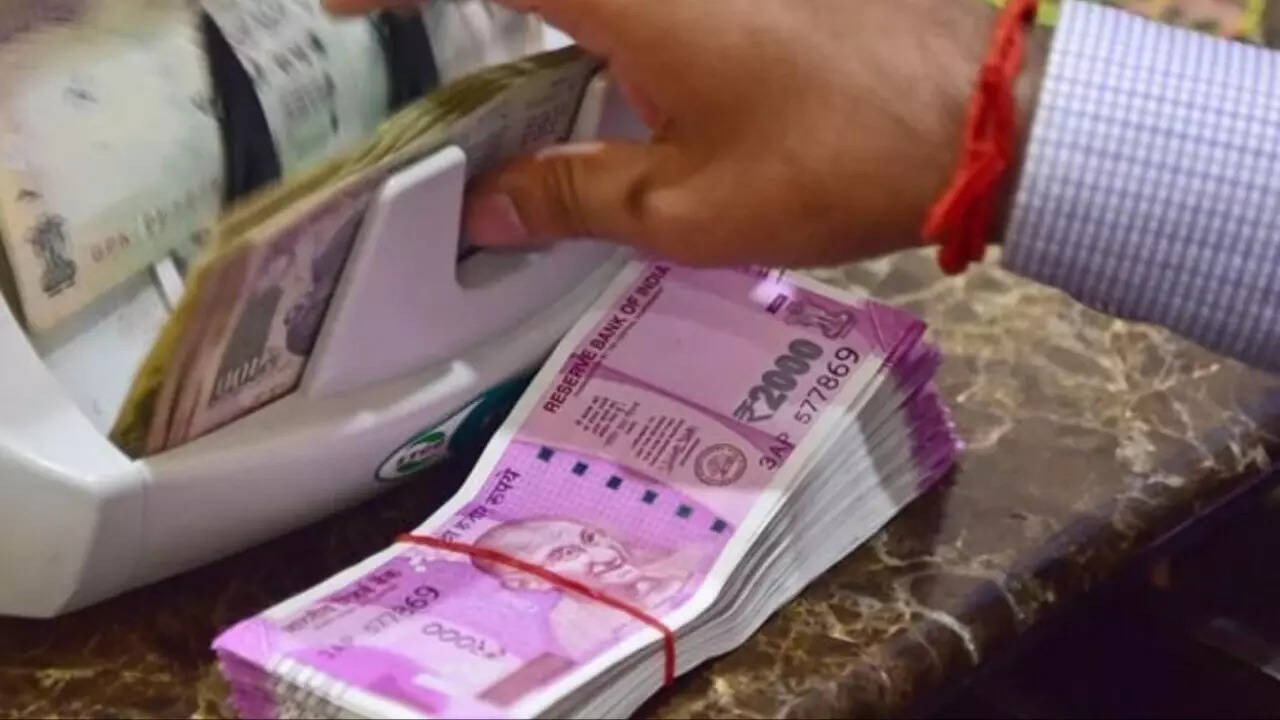
Indian exports to the US plummeted by 28.5% between May and October 2025 due to aggressive US tariff hikes, hitting labour-intensive sectors hardest. Shipments dropped significantly as duties surged, making Indian goods heavily taxed compared to competitors. Delays in operationalizing export promotion schemes are further hindering recovery efforts.
The US Tariff Tsunami: How Indian Exports Are Feeling the Impact
Something significant is happening in the world of trade, and it’s directly impacting Indian businesses. A recent tremor in international economics has sent ripples through the export sector, and if you’re involved in trade between India and the US, you need to pay attention. Buckle up, because this is about more than just numbers; it’s about livelihoods and the future of some key Indian industries.
The headline? Indian exports to the United States have taken a significant hit, plummeting by a concerning 28.5%. This isn’t just a minor dip; it’s a substantial drop that demands a closer look at the underlying causes and potential solutions. The Global Trade Research Initiative (GTRI) has sounded the alarm, highlighting the urgency of the situation and the need for swift policy interventions.
So, what exactly triggered this trade downturn? The expiration of the US’s Generalized System of Preferences (GSP) program back in 2020 is a major culprit. Think of GSP as a welcome mat for certain developing countries, offering them preferential, often duty-free, access to the US market. Without it, Indian exporters suddenly face tariffs that make their goods less competitive.
Why Labour-Intensive Sectors are Hurting the Most
The GTRI report emphasizes that labor-intensive sectors are bearing the brunt of this tariff shock. These are industries that rely heavily on manual labor, such as textiles, leather goods, and agricultural products. These sectors are vital to India’s economy, providing employment to millions and contributing significantly to the country’s export revenue. The sudden imposition of tariffs has eroded their competitive edge, leading to reduced export volumes and potential job losses.


Imagine a small textile manufacturer in Ludhiana, who for years has been exporting high-quality cotton shirts to the US market. With GSP in place, they could offer competitive prices and maintain a healthy profit margin. Now, faced with tariffs, their shirts are more expensive, making it harder to compete with products from countries with more favorable trade agreements. This manufacturer might be forced to reduce production, lay off workers, or even close down entirely. This is the harsh reality many Indian businesses are facing.
A Sector-by-Sector Breakdown
The impact isn’t uniform across all sectors. While some are struggling, others are holding their own. Engineering goods, for example, might be less sensitive to tariffs due to their higher value and specialized nature. However, sectors like gems and jewelry, traditionally strong exporters to the US, are also feeling the pinch. The GTRI report provides a detailed sector-wise analysis, highlighting the specific challenges and opportunities for each industry. Understanding these nuances is crucial for formulating targeted policy responses.
For a deeper dive, check out our article on [Diversifying India’s Export Markets](internal-link-to-related-content).
What Can Be Done? Navigating the Tariff Landscape
So, what can India do to mitigate the impact of these tariffs and revitalize its exports to the US? The GTRI suggests a multi-pronged approach.

* Renewing GSP: Lobbying the US government to reinstate the GSP program is paramount. This would provide immediate relief to struggling exporters and restore their competitiveness.
* Negotiating a Trade Agreement: A comprehensive trade agreement with the US would provide a more stable and predictable trade environment, reducing reliance on preferential treatment and fostering long-term growth.
* Boosting Competitiveness: Investing in infrastructure, improving logistics, and enhancing the skills of the workforce can make Indian industries more competitive globally, regardless of tariffs.
* Diversifying Markets: Reducing dependence on the US market by exploring new export destinations can cushion the impact of trade disruptions in any single country.
The expiration of the GSP has definitely exposed some vulnerabilities within the Indian export sector. The situation demands a strategic and coordinated response from the government, industry, and other stakeholders. Quick and decisive action is necessary to safeguard the interests of Indian exporters and ensure the continued growth of the country’s economy.
The US tariff situation is a harsh reminder of the complexities of international trade and the importance of proactive policy making. While the immediate future may seem uncertain, with strategic planning and decisive action, India can navigate these challenges and emerge stronger in the global marketplace. It’s time for innovation, adaptation, and a renewed focus on competitiveness to ensure that Indian exports continue to thrive.