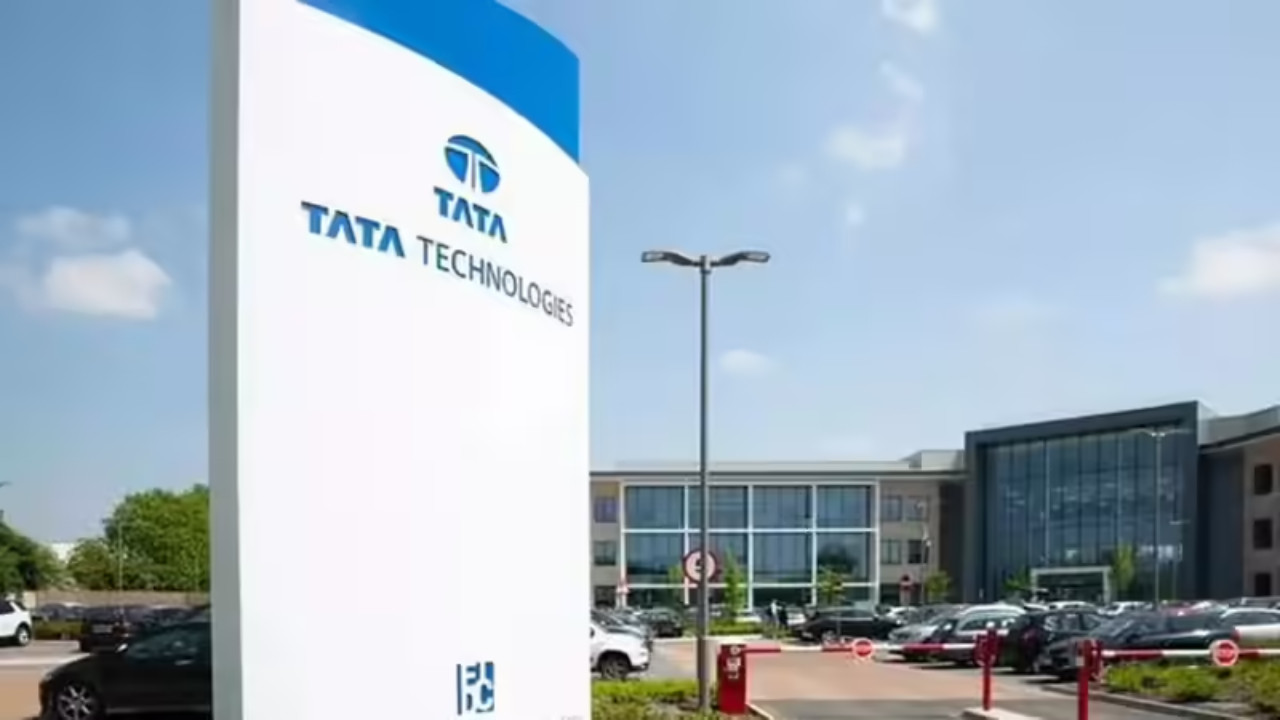
Tata Technologies will increase local hiring in the United States in response to revised visa rules from the Trump administration. This move comes as the US plans to raise H-1B visa fees, aiming to protect American workers. Despite challenges, the company remains optimistic about growth in the US market.
Navigating the Shifting Sands: How Tata Technologies is Adapting to US Visa Changes
The tech world is no stranger to change, but recent rumblings in US immigration policy have sent ripples across the industry, particularly for companies reliant on the H-1B visa program. These visas, a cornerstone for skilled foreign workers in the US, are facing potential fee hikes under a Trump administration proposal, prompting companies to re-evaluate their strategies. One such company is Tata Technologies, and their response offers a fascinating glimpse into how global businesses are adapting to this evolving landscape.
For years, the H-1B visa has been a critical pathway for companies like Tata Technologies to bring specialized talent into the US, filling crucial skill gaps and driving innovation. These highly sought-after visas allow companies to employ foreign workers in specialty occupations that require theoretical or technical expertise. From software engineers to data scientists, these individuals contribute significantly to the US economy and the advancement of technology.
However, the potential increase in H-1B visa fees, proposed under a revived agenda, presents a significant challenge. This isn’t just about dollars and cents; it’s about the broader implications for workforce planning and competitiveness. Recognizing this, Tata Technologies is taking proactive steps to mitigate the impact.
Tata Technologies’ Strategy: A Focus on Local Talent
So, how is Tata Technologies navigating these potentially turbulent waters? The answer lies in a multi-pronged approach, with a significant emphasis on recruiting and training local talent within the United States. This isn’t a knee-jerk reaction, but a strategic shift towards building a more self-sufficient and resilient workforce.

The company has publicly stated its commitment to increasing its US-based workforce, actively seeking out and nurturing local talent. This includes initiatives like partnerships with universities and vocational schools to create pipelines of skilled workers. By investing in training programs and apprenticeships, Tata Technologies aims to cultivate a pool of qualified candidates who can meet the company’s specific needs. This strategic shift isn’t just about filling positions; it’s about contributing to the growth of the US economy and fostering a more sustainable talent ecosystem.

This move also aligns with a broader trend within the tech industry. As visa regulations become more complex and unpredictable, companies are increasingly recognizing the value of investing in domestic talent. Building a strong local workforce not only reduces reliance on foreign visas but also fosters a sense of community and strengthens ties within the US.
Why This Matters: Broader Implications for the Tech Industry
Tata Technologies’ response to the potential H-1B fee hike is indicative of a larger shift in the tech industry. The dependence on H-1B visas, while still significant, is being re-evaluated in light of changing political and economic realities. Companies are exploring alternative strategies, including expanding operations in other countries, investing in remote work models, and, as Tata Technologies is doing, focusing on local talent development.
The potential fee increase also highlights the ongoing debate surrounding immigration policy and its impact on the US economy. Proponents of stricter regulations argue that they protect American jobs and wages. Conversely, critics contend that restrictive policies stifle innovation and make it more difficult for companies to compete in the global marketplace. Finding a balance that addresses both concerns remains a critical challenge for policymakers. This will also have implications for organizations specializing in talent acquisition.

The future of work is undoubtedly evolving, and companies that can adapt quickly and strategically will be best positioned for success. By proactively addressing the challenges posed by changing visa regulations, Tata Technologies is demonstrating a forward-thinking approach that could serve as a model for other businesses in the tech sector. It’s also important to see how these changes affect diversity, inclusion and equity within organizations. Find out more about [diversity, inclusion and equity in the workplace](internal-link).
In Conclusion:
Tata Technologies’ proactive approach to navigating potential H-1B visa fee hikes, by prioritizing local talent acquisition and development, exemplifies a broader trend within the tech industry toward building more resilient and self-sufficient workforces. This strategic adaptation not only mitigates potential disruptions to their operations but also contributes to the growth of the US economy and fosters a more sustainable talent ecosystem. While the long-term effects of these changes remain to be seen, Tata Technologies’ commitment to investing in local talent positions them for continued success in a rapidly evolving landscape.