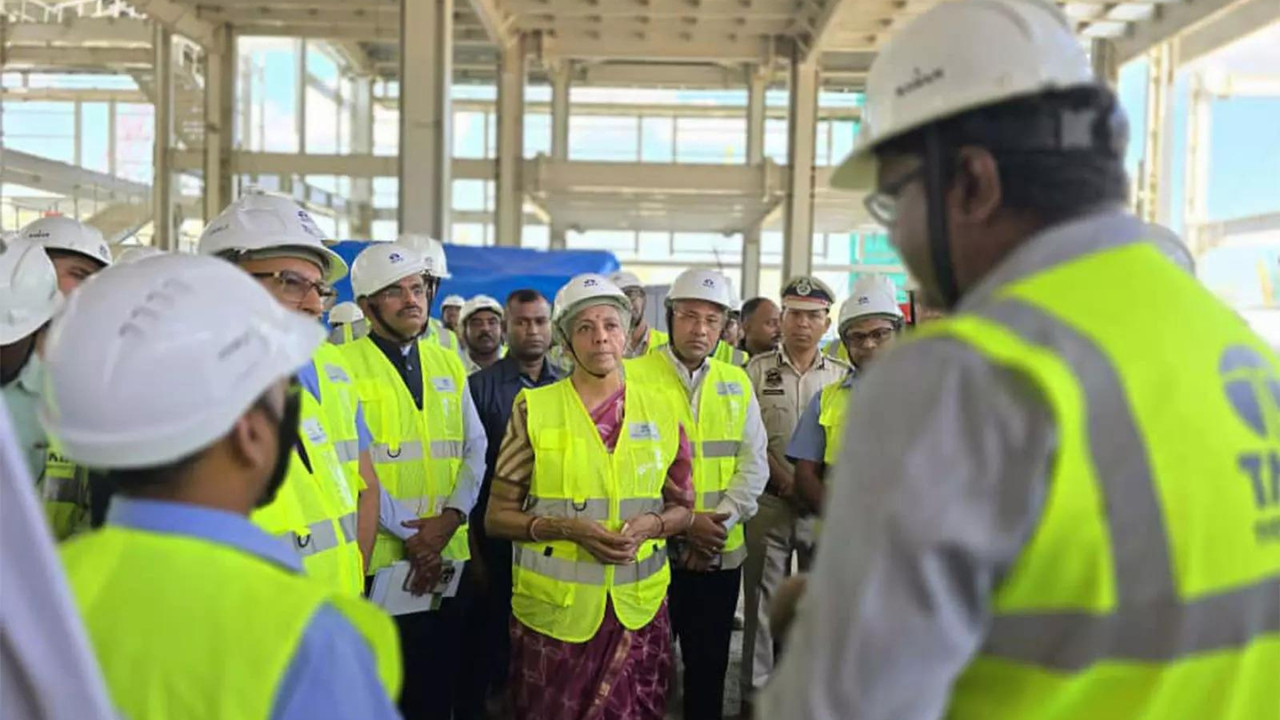
Finance Minister Nirmala Sitharaman reviewed Tata Electronics’ Rs 27,000 crore semiconductor facility in Assam, a significant step towards global integration by 2026. This project, expected to create over 25,000 jobs, aims to transform the state into an advanced electronics manufacturing hub, marking a new era for Northeast India’s economic growth and technological advancement.
Assam: The Next Semiconductor Hub?
For years, when we pictured the global semiconductor landscape, our minds drifted to places like Taiwan, South Korea, and maybe even the burgeoning factories in the United States. But hold that thought, because a new player is stepping onto the stage: Assam, India.
Yes, you read that right. The northeastern state, known for its lush tea gardens and the mighty Brahmaputra, is poised to become a key piece in the global semiconductor puzzle. Finance Minister Nirmala Sitharaman recently reviewed the progress of the Tata OSAT (Outsourced Semiconductor Assembly and Test) project, a massive ₹27,000 crore investment that aims to put Assam on the semiconductor map by 2026. This isn’t just about building a factory; it’s about rewriting India’s economic narrative and positioning itself as a serious contender in the tech world.
Why Assam? Location, Location, Location
So, why Assam? What makes this state, often overlooked in national conversations, the ideal location for a semiconductor assembly and testing unit? Several factors are at play. First, the strategic location of Assam provides a gateway to Southeast Asian markets. This proximity offers significant logistical advantages, reducing transportation costs and lead times for companies looking to export their products.


Beyond geography, the state government has been actively promoting investment through favorable policies and infrastructure development. This includes streamlining regulatory processes and ensuring a stable power supply, a crucial requirement for the energy-intensive semiconductor industry. Let’s not forget the growing talent pool. Assam boasts a network of engineering colleges and technical institutions, providing a steady stream of skilled workers eager to contribute to this cutting-edge field. The establishment of a semiconductor industry in the region is projected to provide thousands of jobs to the local workforce, as well.
Tata’s Big Bet on Semiconductors
The Tata OSAT project is a significant undertaking, and the fact that a conglomerate of Tata’s stature is investing so heavily speaks volumes about Assam’s potential. OSAT facilities play a critical role in the semiconductor manufacturing process. They take raw chips produced in fabrication plants and package them for use in various electronic devices, from smartphones and laptops to automobiles and industrial equipment. This is a vital step that adds value and ensures the chips function correctly in their intended applications.
Tata’s investment signifies more than just financial commitment; it represents a transfer of knowledge, technology, and best practices to the region. It’s an ecosystem play, attracting other players in the semiconductor value chain to set up operations in and around Assam. This could lead to the development of a thriving semiconductor cluster, driving economic growth and innovation for years to come. This also helps Tata diversify into another manufacturing sector.

Beyond the Factory Walls: A Ripple Effect
The impact of the Tata OSAT project extends far beyond the factory walls. It has the potential to transform Assam’s economy, creating new opportunities for local businesses, fostering entrepreneurship, and improving the overall quality of life for its residents. The availability of skilled jobs in the semiconductor industry can encourage young people to pursue careers in STEM fields (Science, Technology, Engineering, and Mathematics), which will, in turn, drive further innovation.
Moreover, this project will help India reduce its dependence on imports of semiconductors, strengthening its strategic autonomy and resilience in the face of global supply chain disruptions. It’s a critical step toward building a self-reliant semiconductor ecosystem, in alignment with the “Make in India” initiative. Interested in reading about similar projects? Check out this article about a new lithium refinery being constructed in Gujarat.
A Promising Future for Semiconductors in Assam
The semiconductor industry is constantly evolving, and countries are scrambling to secure their place in the global value chain. Assam’s emergence as a potential semiconductor hub represents a significant opportunity for India to strengthen its position as a global technology powerhouse. While challenges undoubtedly lie ahead, the progress made so far is encouraging, and the vision for Assam as a key player in the semiconductor industry by 2026 seems increasingly within reach. By embracing this technological wave, Assam can not only redefine its own economic landscape but also contribute to India’s journey toward becoming a true leader in the global semiconductor revolution.