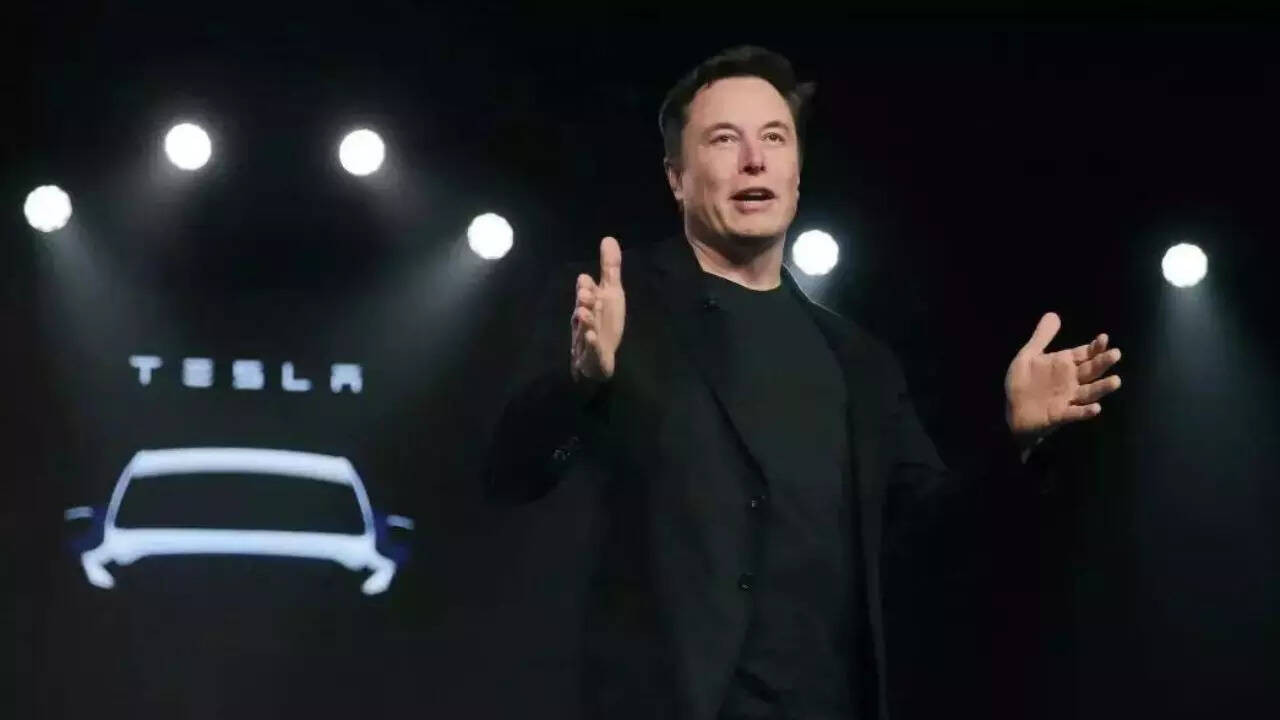
Tesla reported disappointing Q2 results, with revenue and profits declining due to reduced government support and softening demand. Despite launching a refreshed Model Y, deliveries dropped, and regulatory credit revenue plummeted. CEO Elon Musk anticipates a few challenging quarters ahead, attributing it to reduced EV tax credits.
Tesla’s Q2 Rollercoaster: A Dip in Earnings and What It Means
The electric vehicle (EV) world moves fast, and no company embodies that velocity more than Tesla. But even the fastest cars hit a bump in the road sometimes. The latest news? Tesla’s Q2 earnings have taken a noticeable dip, and the revenue stream has slowed down. Let’s unpack what happened and what it could mean for the future of Elon Musk’s electric vehicle giant.
The headlines screamed of a 12% revenue drop compared to the previous quarter. Numbers like that grab attention, and naturally, questions arise. Is this a temporary blip, or are deeper currents at play? Several factors seem to be contributing. One major element is the ongoing price war in the EV sector. Tesla, in an effort to make its vehicles more accessible, has been aggressively cutting prices. While this strategy has undeniably boosted sales volume, it has also taken a bite out of profit margins. Think of it like selling more cookies at a lower price – you might sell out faster, but your overall earnings won’t necessarily skyrocket.
Another piece of the puzzle lies in global economic headwinds. Rising interest rates and fears of recession are making consumers think twice before making large purchases, including EVs. When budgets tighten, a brand-new car, even a sleek Tesla, might be put on the back burner.


Furthermore, Tesla isn’t operating in a vacuum. The EV market is becoming increasingly crowded. Traditional automakers are jumping into the electric game with their own offerings, and new EV startups are popping up all over the place. This increased competition puts pressure on Tesla to innovate and stay ahead of the curve, demanding consistent investment in research, development, and expanded production capabilities.
Unpacking the Tesla Numbers: What’s Behind the Decline?
Beyond the top-line revenue figure, a closer look at the numbers reveals a more nuanced picture. Tesla’s automotive gross margin, a key indicator of profitability, also took a hit. This wasn’t entirely unexpected, given the aforementioned price cuts and increased production costs. However, the company maintains that it’s focused on long-term growth and market share, even if it means sacrificing some short-term profits.
The company’s energy generation and storage business, on the other hand, showed some positive signs. Demand for Tesla’s solar panels and energy storage systems is growing, fueled by increasing awareness of renewable energy and government incentives. It demonstrates that Tesla isn’t just about cars; it’s building an ecosystem of sustainable energy solutions.
And what about production? Tesla’s factories continue to churn out vehicles at an impressive rate. The Gigafactory in Shanghai, in particular, has become a major production hub, serving both the Chinese market and export markets. However, maintaining these production levels while simultaneously managing costs is a constant balancing act.
The Road Ahead: Navigating the Electric Vehicle Landscape
So, what does this all mean for the future of Tesla? While the Q2 results might raise some eyebrows, it’s crucial to remember that Tesla is a company known for its ambition and innovation. Elon Musk has never shied away from bold moves and long-term investments. The current challenges could be seen as growing pains as the company transitions from a niche player to a mainstream automaker.

Tesla’s focus on cutting-edge technology, like its self-driving capabilities and battery technology, remains a key differentiator. The company is also investing heavily in expanding its Supercharger network, making it easier for EV owners to charge their vehicles on the go.
Looking ahead, all eyes will be on Tesla’s ability to navigate the evolving EV landscape, manage costs effectively, and continue to innovate. The success of upcoming models, like the Cybertruck, will also play a critical role in shaping the company’s future trajectory. The road ahead may have a few bumps, but Tesla’s destination remains clear: to accelerate the world’s transition to sustainable energy.
In the meantime, for those looking to invest in solar power, understanding the latest inverters is a key aspect to explore. Learn about the top solar inverter models to maximize your energy efficiency.
While Q2 showed a dip, the future remains bright for Tesla. Their commitment to electric vehicle innovation and expanding the EV market gives them a strong footing for future success. The story is far from over.