The Indian government has extended the duty-free cotton import policy until December 31, 2025, to alleviate the impact of the 50% US tariffs on textile exports. This exemption, covering various levies, aims to lower input costs across the textile value chain and enhance the competitiveness of Indian textiles in the global market.
India’s Textile Sector Breathes Easier: Duty-Free Cotton Imports Extended
India’s textile industry just got a crucial shot in the arm. In a move widely applauded by exporters, the government has decided to extend the duty-free import of cotton for another three months. This decision arrives as a welcome reprieve for a sector grappling with challenges on multiple fronts, particularly concerning recent U.S. tariff impositions.
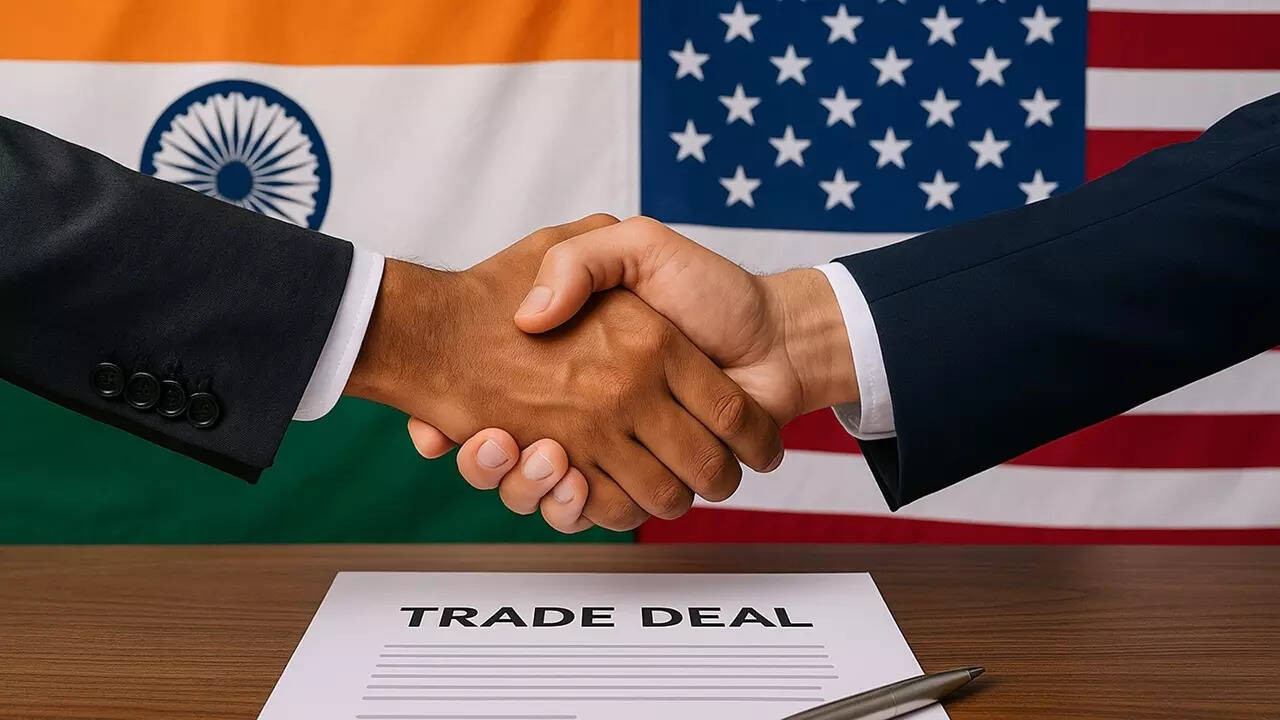
For months, the Indian textile industry has been navigating a turbulent landscape. Rising input costs, fluctuating global demand, and, most recently, the sting of increased tariffs in key export markets like the United States have created a perfect storm of uncertainty. The U.S., a major destination for Indian textiles, has implemented tariffs that threaten to erode the competitive edge Indian manufacturers have painstakingly built.
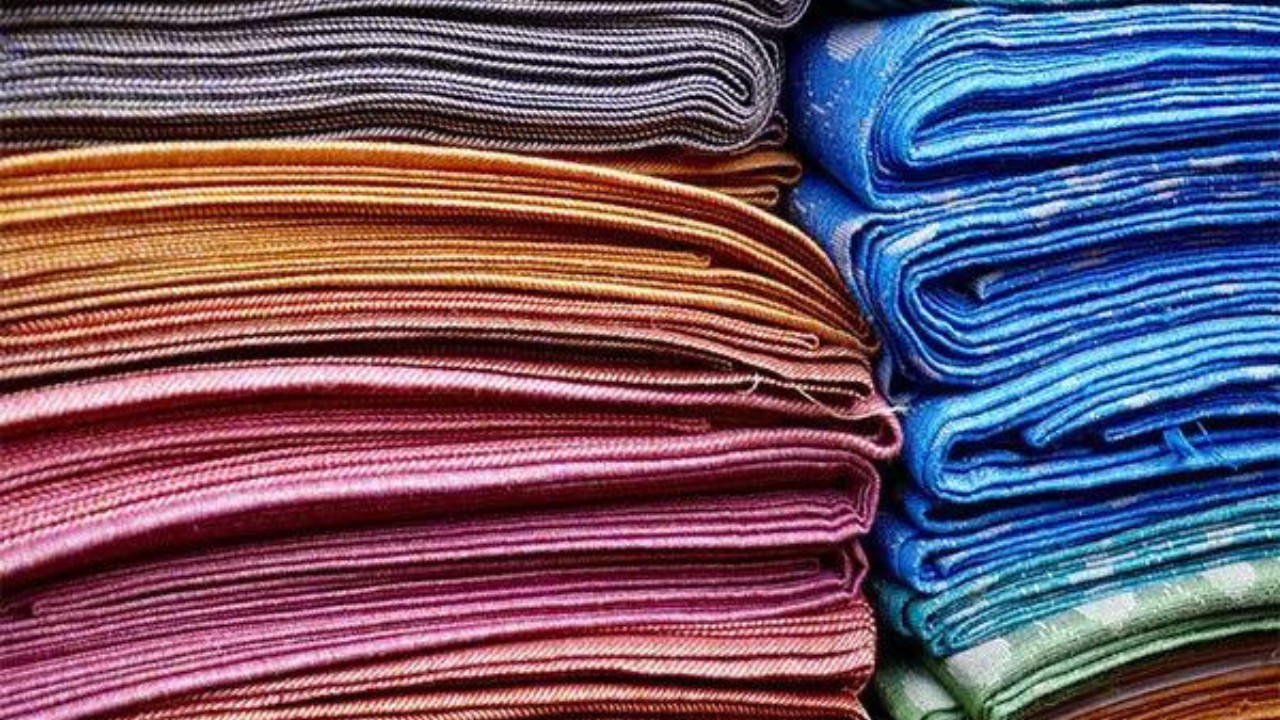
The initial decision to allow duty-free cotton imports earlier in the year was intended as a temporary measure to alleviate some of the pressure. Domestic cotton prices were soaring, making it difficult for Indian manufacturers to compete with their counterparts in countries where cotton was more readily available and cheaper. By removing import duties, the government aimed to level the playing field and ensure that Indian textile businesses could access raw materials at competitive prices.

This extension underscores the government’s commitment to supporting the textile sector. It acknowledges the continuing difficulties faced by exporters and recognizes that further support is needed to help them weather the current storm. Removing the duty burden on raw cotton effectively lowers production costs for textile manufacturers, enabling them to offer more competitive prices in the international market. This, in turn, could help maintain existing export volumes and potentially even open up new opportunities.

What does this actually mean for the industry on the ground? Well, for smaller players, the impact is likely to be significant. Many small and medium-sized enterprises (SMEs) in the textile sector operate on thin margins and are particularly vulnerable to fluctuations in input costs. Duty-free cotton imports give these businesses a much-needed buffer, enabling them to stay competitive and protect jobs. Larger manufacturers will also benefit, but the proportional impact may be more pronounced for SMEs.
The extension also sends a positive signal to international buyers. It demonstrates that India is taking proactive steps to support its textile industry and ensure a stable supply chain. This can help maintain confidence among buyers and encourage them to continue sourcing textiles from India. After all, reliability and stability are essential when building lasting international partnerships.

However, it’s crucial to recognize that this is not a silver bullet. While duty-free cotton imports provide much-needed relief, they don’t address all the challenges facing the textile industry. The industry still needs to invest in innovation, improve productivity, and diversify its export markets. Furthermore, the government needs to continue working to resolve trade disputes with the United States and other countries. Consider reading about [sustainable textile practices](internal-link-to-sustainable-textiles-article.com) to learn about another area of focus for the industry.
Looking ahead, the textile industry must embrace a long-term vision that includes sustainable practices and technological advancements. While short-term measures like duty-free cotton imports provide immediate relief, building a resilient and globally competitive textile sector requires a more holistic approach. This includes investing in research and development, promoting skill development, and fostering a culture of innovation.
The three-month extension of duty-free cotton imports offers valuable breathing room. It allows Indian textile exporters to better navigate current market headwinds and maintain their competitiveness. The industry should use this window strategically to consolidate its position, explore new opportunities, and prepare for a future where resilience and innovation are paramount. Ultimately, the future success of India’s textile sector will depend on its ability to adapt, innovate, and compete in an increasingly challenging global landscape.