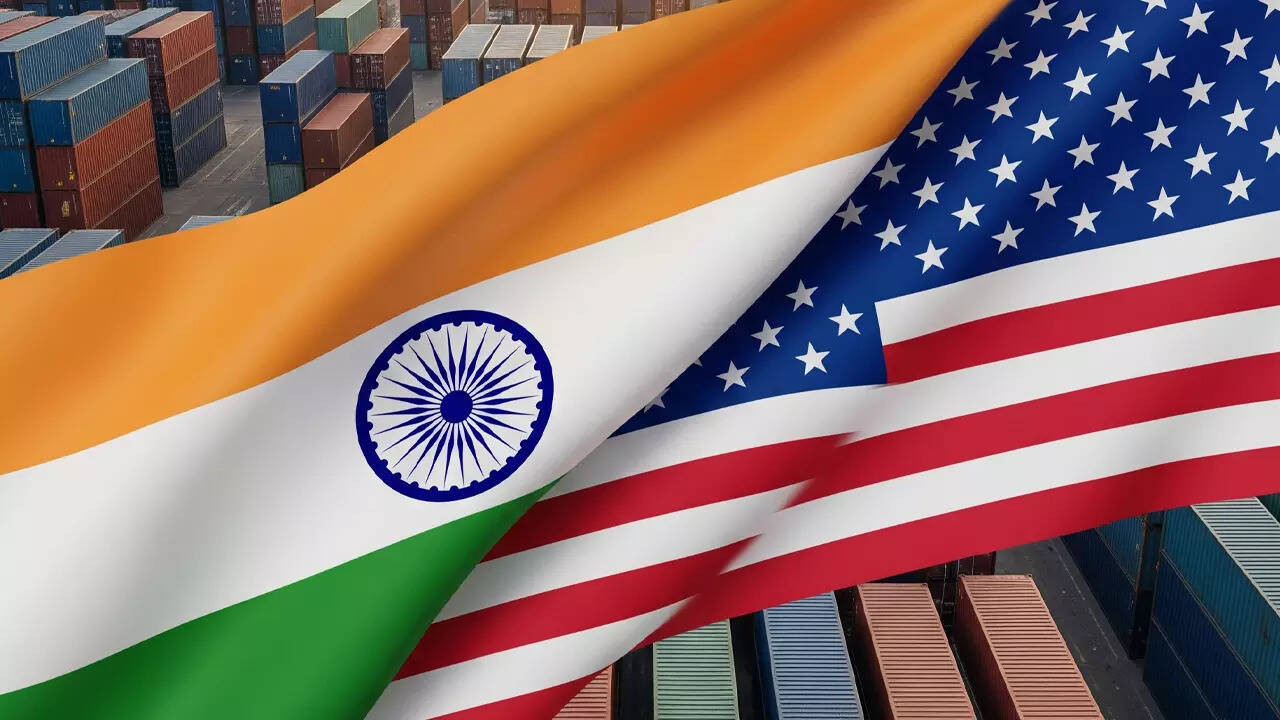
India anticipates a modest benefit from the US lifting tariffs on agricultural products like tea, coffee, and spices. While this creates a more level playing field for Indian exporters, independent analyses suggest limited gains. Larger beneficiaries are expected to be from Latin America, Africa, and ASEAN, unless India enhances its production and export diversity.
India’s Agricultural Sector Gets a Boost: US Tariff Cuts Offer New Opportunities
For Indian farmers and exporters, there’s a fresh breeze blowing from across the Pacific. The United States has decided to lower tariffs on specific agricultural products, and the ripple effects are already being felt within India’s agricultural heartland. But what does this really mean for the Indian economy and the farmers who toil the land? Let’s delve into the details.
A Welcome Shift in Trade Winds
The recent US move is being viewed as more than just a simple tariff adjustment; it’s a potential game-changer. For years, Indian agricultural exports have navigated a complex landscape of trade barriers, hindering their access to lucrative markets like the US. These tariff reductions are poised to unlock those doors, offering Indian producers a more level playing field. This doesn’t simply equate to higher profits; it also creates incentives for enhanced productivity, improved quality, and a greater focus on meeting international standards.
What specific agricultural products are affected? While the official list is extensive, key items like mangoes, grapes, certain spices, and processed foods are expected to see the most significant benefits. The removal or reduction of these tariffs directly translates to lower costs for American importers, making Indian products more competitive against those from other nations. This creates a direct incentive for US businesses to source more of these goods from India, bolstering export volumes and revenues.
Leveling the Playing Field for Indian Farmers


The phrase “level playing field” gets thrown around a lot in trade discussions, but in this instance, it carries real weight. Previously, higher tariffs put Indian exporters at a distinct disadvantage, forcing them to either absorb the extra cost or pass it on to US consumers. This limited their market share and potentially reduced profits. Now, with reduced tariffs, Indian products can compete more effectively based on quality and price, giving farmers a fairer chance to thrive in the global market. This can encourage investment in modern farming practices.
The implications extend beyond mere economic gains. For rural communities that heavily rely on agriculture, this development can spur job creation and enhance livelihoods. Increased demand for Indian agricultural products will naturally translate into more employment opportunities in farming, processing, packaging, and transportation sectors. This economic boost can have a cascading effect, improving living standards and overall prosperity in rural India.
Navigating the Path Ahead: Challenges and Opportunities
While the US tariff cuts present a significant opportunity, it’s crucial to acknowledge the challenges that lie ahead. Indian farmers and exporters need to proactively adapt to meet the demands of the US market. This involves ensuring consistent quality, adhering to stringent food safety standards, and investing in efficient supply chain management. Furthermore, staying informed about evolving US regulations and consumer preferences is paramount to sustained success.
This moment also presents an opportunity for the Indian government to play a proactive role. Investing in agricultural infrastructure, providing training to farmers on best practices, and streamlining export procedures can further enhance India’s competitiveness in the global market. Promoting collaboration between farmers, exporters, and government agencies can create a robust and resilient agricultural ecosystem. Read more about boosting agricultural exports on [our related article about Indian trade policy](link-to-related-article).

A Promising Future for Indo-US Agricultural Trade
The reduction in US tariffs on select agricultural items marks a significant step forward in strengthening Indo-US trade relations. This positive development not only benefits Indian farmers and exporters but also fosters greater economic cooperation between the two nations. The opportunities are clear. By strategically leveraging this advantage, India can solidify its position as a major player in the global agricultural market and unlock a new era of prosperity for its farming communities. This is a moment to celebrate the hard work of Indian farmers and to invest in a future where agriculture continues to drive economic growth and improve lives across the nation.
URL slug: india-us-tariff-cuts