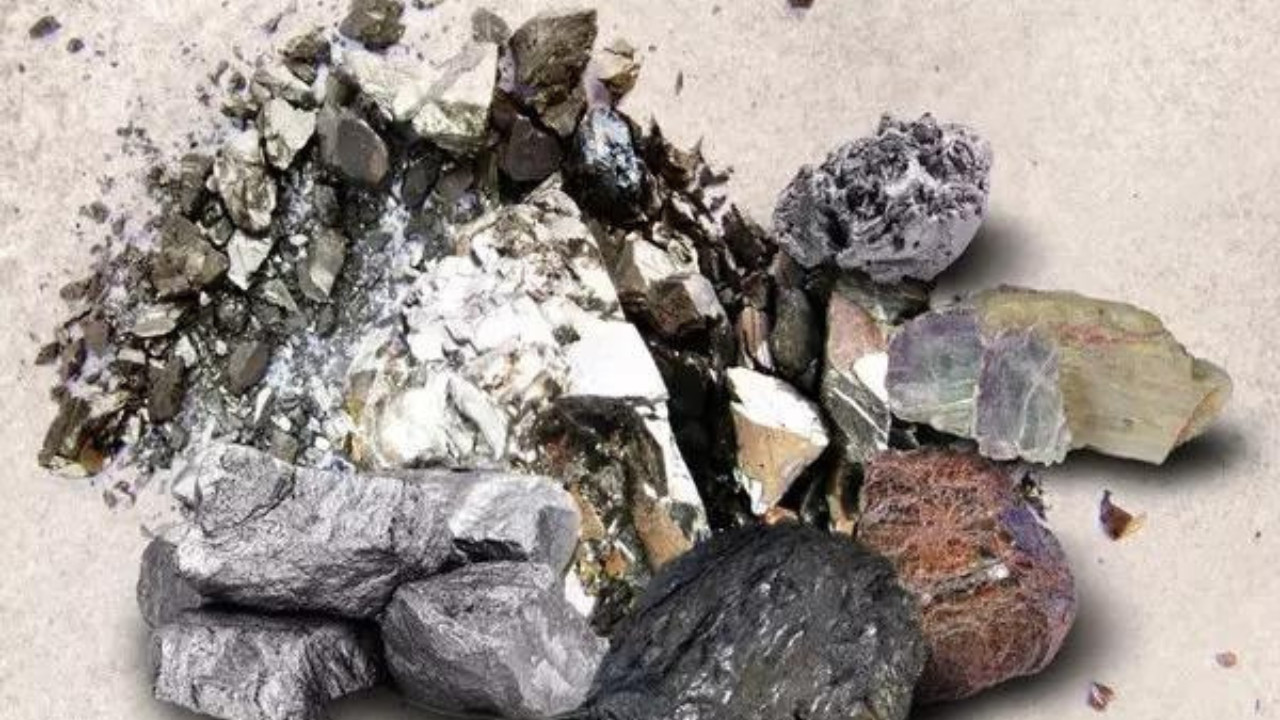
China has issued new general export licenses for rare earth shipments, easing months of disruption caused by tighter controls. This move, following the Trump-Xi summit, allows year-long permits for specific customers, particularly in the auto sector. While easing some pressures, differences remain between Beijing and Washington regarding the extent of these changes.
Are Rare Earth Elements About to Become Less Rare? China’s Licensing Shift and What It Means
For industries reliant on everything from electric vehicles to missile systems, the whispers surrounding China’s grip on rare earth elements are often laced with anxiety. These obscure minerals, essential for a plethora of modern technologies, have been a point of geopolitical tension for years. But recently, the tectonic plates seem to have shifted. China, the undisputed king of rare earth production, has issued a fresh batch of mining and smelting licenses. But is this a genuine easing of control, or a strategic maneuver on a much larger chessboard?
The move, while seemingly straightforward, has sparked a flurry of speculation. What does it actually mean for the global supply chain? Is the world about to see a surge in these critical materials, alleviating pressure on manufacturers scrambling to secure their future? Or is there more to this story than meets the eye?
For years, manufacturers outside of China have voiced concerns about access to these vital elements. The fear? That China could use its dominance to dictate prices, control production, and ultimately, hold a strategic advantage over other nations. These concerns have fueled a global push to diversify supply chains and reduce reliance on a single source. Australia, the United States, and other countries are actively exploring and developing their own rare earth resources.


So, the granting of these new licenses could be interpreted as a positive step toward a more balanced market. A potential increase in domestic production within China could translate to greater availability on the global stage, potentially easing price pressures and offering manufacturers more options. However, several key questions remain.
Decoding China’s Rare Earth Strategy
First, the sheer scale of the impact is still unclear. How much will these new licenses actually increase overall production? Without concrete figures, it’s difficult to assess the real-world implications. Moreover, environmental regulations and sustainability concerns continue to cast a shadow. The mining and processing of rare earth elements are notoriously environmentally intensive. Will these new operations adhere to stricter standards, or will the pursuit of increased output come at a cost?
And then there’s the question of long-term strategy. China has a history of carefully managing its resources, using them to advance its economic and geopolitical interests. Is this licensing move a sign of a genuine shift in policy, or a tactical response to international pressure? Is it designed to temper criticism while simultaneously maintaining control over the market? The answers aren’t readily apparent.
Beyond Production: The Bigger Picture of Rare Earth Elements
It’s important to remember that access to raw materials is only one piece of the puzzle. The entire rare earth elements supply chain, from mining and processing to manufacturing and recycling, is incredibly complex. Even if production increases, challenges remain in areas like refining, separation, and the development of advanced materials.
Furthermore, the global landscape is constantly evolving. Technological advancements are driving demand for specific rare earth elements in new and innovative ways. Simultaneously, research is underway to find alternative materials that can reduce reliance on these critical resources altogether. The future of the rare earth market will be shaped by a complex interplay of factors, including technological innovation, geopolitical dynamics, and environmental regulations.

What is clear is that the global race to secure access to rare earth elements is far from over. China’s recent licensing move represents a potentially significant shift, but it’s crucial to approach it with a healthy dose of skepticism. We need to delve deeper, analyze the data, and understand the broader context to truly grasp the implications.
Looking ahead, the quest for sustainable and secure sources of these materials will continue to drive innovation and reshape global trade. Diversifying supply chains, investing in research and development, and promoting responsible mining practices will be crucial for ensuring a stable and equitable future for the rare earth elements market. For example, you can read about responsible material sourcing [here](internal-link-to-related-article-about-responsible-sourcing).
In conclusion, while the news of additional rare earth elements licenses issued by China appears promising for industries globally, a cautious and nuanced approach is warranted. Further investigation is crucial to understand the magnitude of the impact and the long-term strategic implications of this decision. The global scramble for these vital materials highlights the complex interplay of economics, technology, and geopolitics that will continue to shape the future.