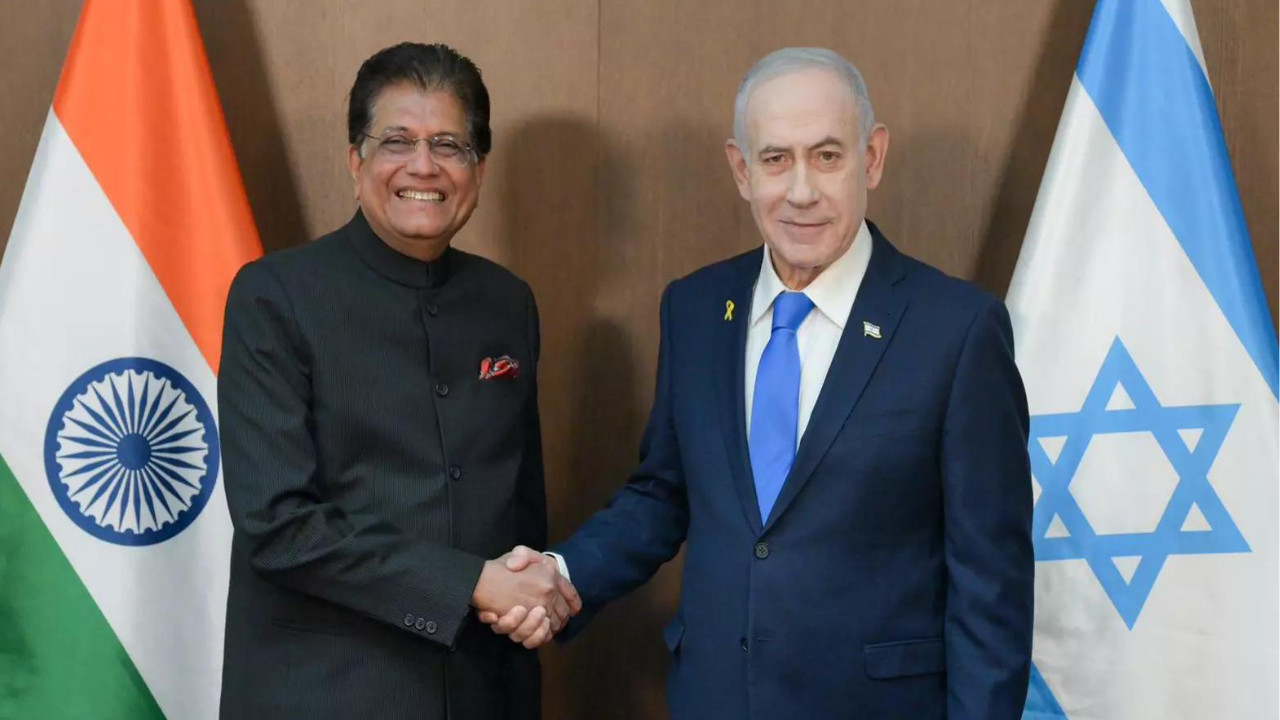
India and Israel are restarting Free Trade Agreement negotiations after a decade-long pause, with a focus on tariff reductions and future cooperation in technology and defense. While merchandise trade remains modest, the real opportunity lies in strategic collaborations in areas like defense manufacturing and precision agriculture.
A Budding Bromance: India and Israel Dust Off Free Trade Agreement Talks
For over a decade, the idea of a comprehensive free trade agreement (FTA) between India and Israel has been simmering on the back burner. Now, it seems, the flame has been reignited. After a lengthy pause, both nations are once again sitting down at the table to discuss forging closer economic ties. The implications of this renewed negotiation extend far beyond simply reducing tariffs on goods; it’s a potential game-changer for innovation, technology transfer, and overall strategic partnership.
What sparked this rekindling? Geopolitical shifts certainly play a role. Both India and Israel are navigating an increasingly complex global landscape, seeking to diversify their partnerships and strengthen their respective economies. A robust FTA offers a powerful tool to achieve these objectives. The move signals a deepening strategic alignment, reflecting shared interests and a mutual desire to bolster resilience in the face of global uncertainties.
But the potential benefits are more than just strategic. As the Global Trade Research Initiative (GTRI) keenly observes, the real gold lies beyond the simple exchange of goods. This isn’t just about cheaper textiles or Israeli avocados flooding the Indian market (though those things might happen!). It’s about unlocking opportunities for collaboration in cutting-edge sectors that will shape the future.
The Technological Edge: Why India Wants More Than Just Cheaper Goods
Israel, often dubbed the “Start-up Nation,” is a powerhouse of innovation, particularly in areas like defense technology, cybersecurity, agriculture, and water management. India, with its burgeoning tech sector, vast market, and ambitious development goals, represents a fertile ground for these innovations to flourish. A comprehensive India Israel FTA would facilitate the seamless flow of technology, expertise, and investment, potentially accelerating India’s progress in key strategic sectors.


Imagine Israeli drip irrigation technology revolutionizing Indian agriculture, helping farmers conserve precious water resources and boost crop yields. Or consider the potential for collaborative ventures in cybersecurity, safeguarding critical infrastructure and digital assets in both countries. The possibilities are vast and exciting, promising to create a synergistic effect that benefits both economies.
Beyond Trade: A Strategic Partnership Reinforced
This FTA isn’t just about economics; it’s a statement of strategic intent. India and Israel share a close and increasingly warm relationship, built on mutual respect and shared values. Strengthening economic ties through a comprehensive trade agreement reinforces this partnership, sending a clear message to the world about their commitment to collaboration and mutual support.
For India, closer ties with Israel offer access to advanced technologies and expertise that can help drive its ambitious “Make in India” and “Digital India” initiatives. For Israel, India’s massive market and growing economy represent a significant opportunity for expansion and investment. The FTA would pave the way for smoother trade, reduced regulatory hurdles, and increased investor confidence, fostering a more vibrant and dynamic economic relationship.
Navigating the Road Ahead: Challenges and Opportunities
Of course, negotiating a comprehensive FTA is no easy feat. There will be challenges to overcome, including differences in regulatory frameworks, concerns about market access, and the need to protect domestic industries. However, the potential rewards are substantial enough to warrant a concerted effort from both sides.

A well-negotiated agreement should address key issues such as intellectual property rights, customs procedures, and dispute resolution mechanisms. It should also promote transparency and predictability in trade regulations, creating a level playing field for businesses in both countries.
The current talks provide a significant opportunity for both India and Israel to solidify their bond and unlock new avenues for growth and prosperity. By looking beyond simple goods trade and focusing on collaboration in key sectors, this India Israel FTA can become a powerful engine for innovation, economic development, and strategic cooperation. The world will be watching to see what fruits this renewed partnership will bear. What’s clear is that both countries stand to gain significantly from a successful agreement. Perhaps it can even serve as a model for future bilateral agreements, demonstrating how strategic partnerships can drive mutual prosperity in an increasingly interconnected world.
You might also be interested in reading about India’s recent trade deals with Australia and the UAE.
Conclusion: A Promising Future for India-Israel Relations
The renewed FTA negotiations between India and Israel signify more than just a trade deal; they represent a deepening strategic partnership with the potential to unlock significant economic and technological opportunities. By fostering collaboration in key sectors and streamlining trade processes, this agreement could pave the way for a more prosperous and innovative future for both nations.