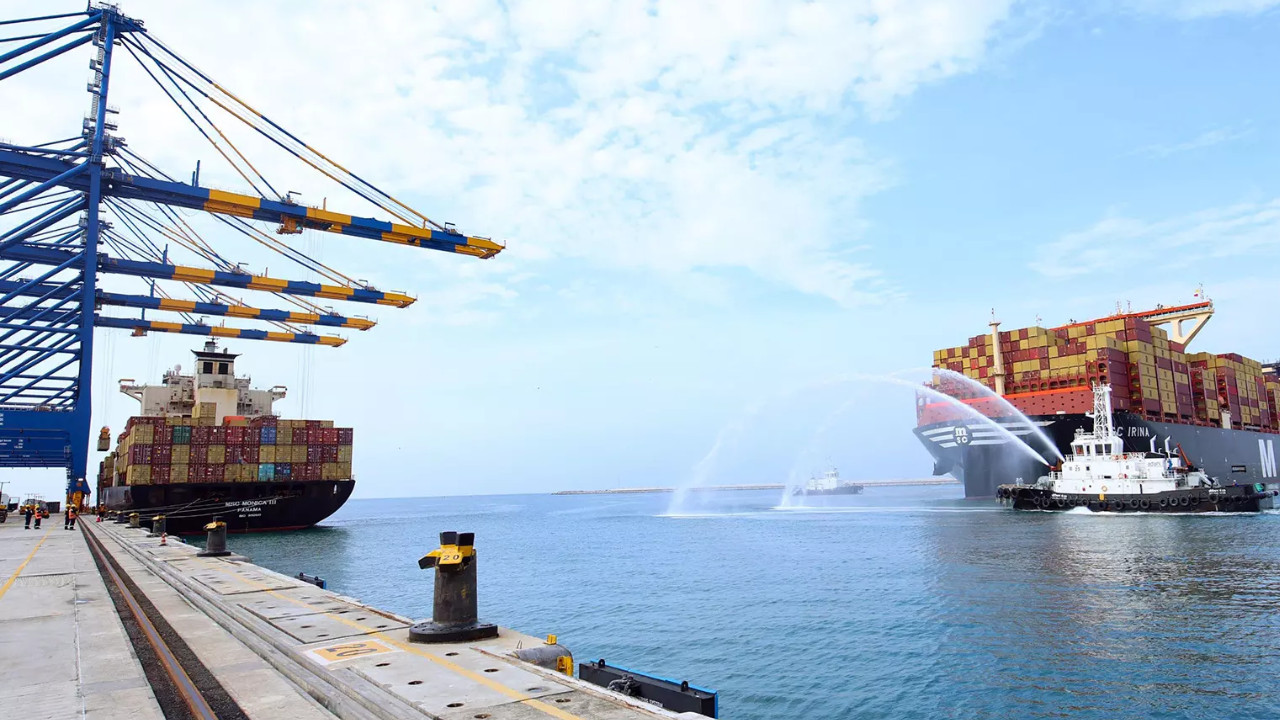
Experts caution that the recent 50% U.S. tariffs on Indian imports pose a significant threat to India’s economic growth, particularly impacting labor-intensive and manufacturing sectors. This move risks slowing exports, investment, and adding pressure on the rupee, potentially leading to a downward revision of India’s FY26 GDP growth forecast.
Will US Tariffs Throw a Wrench in India’s Manufacturing Momentum?
The global economic landscape is a giant chess board, and recently, the US has made a move that could significantly impact India’s manufacturing sector. Whispers of potential tariff hikes are circulating, leaving many wondering: How much will this really sting? And which industries are most vulnerable?

Let’s unpack the situation. The United States, a key trading partner for India, is considering imposing higher tariffs on certain goods. This isn’t just a blip on the radar; it’s a potential disruptor that could ripple through labor-intensive industries and even affect the broader Indian economy.
The Industries in the Crosshairs
So, who’s in the direct line of fire? The likely targets are sectors that rely heavily on exports to the US market. Think textiles, leather goods, gems and jewellery, and certain agricultural products. These industries are often the backbone of employment, particularly in rural and semi-urban areas. Increased tariffs could make Indian products less competitive in the US, leading to reduced demand, production cuts, and, unfortunately, potential job losses.

Imagine a small leather goods manufacturer in Kanpur, employing hundreds of artisans. A sudden tariff hike could price their wallets and belts out of the US market, forcing them to scale back operations or even shut down entirely. This scenario isn’t just hypothetical; it’s a real threat to countless businesses and livelihoods.
The impact extends beyond just these directly affected sectors. A slowdown in exports can have a cascading effect, impacting related industries like transportation, logistics, and even raw material suppliers. The entire supply chain feels the pinch.
Manufacturing in India: A Double-Edged Sword?
India has been steadily gaining momentum as a manufacturing hub, fueled by government initiatives like “Make in India” and a growing domestic market. This push towards self-reliance and export-oriented manufacturing has been paying dividends. However, this progress makes the nation even more sensitive to external shocks, such as changes in US trade policy.
The inherent reliance on exports makes manufacturing in India vulnerable to protectionist measures taken by other countries. While diversifying export markets is a long-term solution, it’s not an overnight fix. Building relationships and establishing new supply chains takes time and investment.
Navigating the Tariff Terrain: What Can Be Done?
The situation isn’t entirely bleak. There are steps that Indian businesses and policymakers can take to mitigate the potential damage. For businesses, focusing on improving efficiency, reducing production costs, and enhancing product quality can help them remain competitive even with higher tariffs. Exploring alternative markets, particularly in Asia and Africa, is crucial for diversifying their export base.

From a policy perspective, the Indian government could explore negotiating bilateral trade agreements with the US to secure preferential treatment for certain sectors. Strengthening domestic demand through infrastructure development and increased consumer spending can also help cushion the blow from reduced exports. Furthermore, investing in research and development to foster innovation and move up the value chain is essential for long-term competitiveness. This could involve transitioning to the production of higher-value goods that are less sensitive to price fluctuations.
Consider the potential for increased collaboration and knowledge-sharing among businesses. Industry associations can play a crucial role in helping smaller businesses adapt to the changing trade environment. Think about workshops on improving efficiency, accessing new markets, and navigating trade regulations.
Also, see how India’s tech sector contributes to the economy.
The Road Ahead
The potential US tariffs present a significant challenge to India’s manufacturing sector and the broader economy. While the immediate impact remains uncertain, proactive measures can help minimize the damage and ensure that India’s manufacturing momentum isn’t derailed. Diversification, efficiency improvements, and strategic policy interventions are key to weathering this storm and building a more resilient and competitive economy. Staying agile and adaptable will be the name of the game as the global trade landscape continues to evolve. The future of manufacturing in India hinges on how well businesses and policymakers navigate this complex terrain.