New import rules for platinum jewellery are now in effect. A license is required for these items until April 2026. This measure aims to prevent the misuse of free trade agreements, especially with ASEAN countries. The government is taking steps to ensure fair trade practices and curb tariff circumvention. Similar restrictions were previously placed on silver jewellery imports.
Shining a Light on Platinum: India’s New Import Rules
The gleam of platinum jewellery might be a little harder to come by, thanks to recent changes in India’s import policies. You see, the government has tightened the reins on the import of platinum jewellery, a move that’s stirring up conversation in the trade world. But what’s behind this decision, and what impact will it have? Let’s dive into the details.
Why the Sudden Shift in Platinum Jewellery Imports?
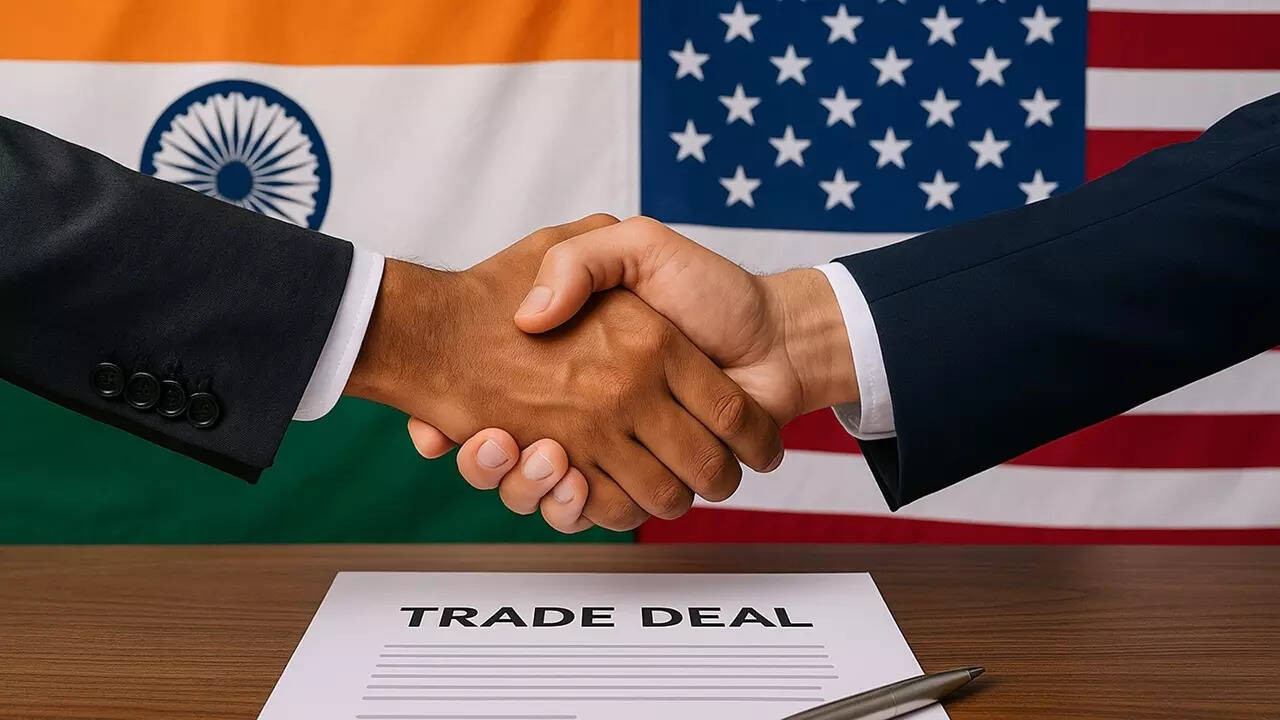
The primary driver behind this policy change appears to be curbing the misuse of Free Trade Agreements (FTAs). FTAs are designed to foster trade between nations by reducing or eliminating tariffs and other trade barriers. However, there’s been growing concern that some businesses are exploiting these agreements to import goods from countries outside the FTA zone, simply routing them through a partner nation to enjoy the preferential tariff rates.
Imagine someone in China crafting platinum jewellery, shipping it to, say, Thailand (an FTA partner with India), and then importing it into India as if it originated in Thailand. This circumvents the regular import duties and undermines the spirit of the FTA. The government is hoping to plug these loopholes and ensure fair trade practices. This action follows similar measures taken regarding gold imports, signaling a broader commitment to policing trade agreements more effectively.
The Nitty-Gritty of the New Rules

So, what exactly has changed? The Directorate General of Foreign Trade (DGFT), the body responsible for implementing India’s foreign trade policy, has issued a notification outlining the new restrictions. While the exact details are complex and involve specific tariff codes, the essence is this: importing platinum jewellery will now require more stringent documentation and verification processes. Think increased scrutiny of the origin of the platinum and enhanced checks to confirm the value addition that occurred in the FTA partner country.
This means importers will need to be extra diligent in proving that the jewellery genuinely originates from the FTA partner nation and that a significant amount of processing and value addition took place there. Simply assembling pre-made components in an FTA country will likely not be sufficient.

Impact on the Jewellery Market
The immediate impact is likely to be a slowdown in the import of platinum jewellery, at least temporarily. Importers will need time to adjust to the new requirements and ensure their documentation is in order. This could lead to a slight increase in the price of platinum jewellery in the short term, as the supply chain adjusts. However, domestically produced platinum jewellery might gain a competitive edge. This also applies to other precious metals. If you want to know more about gold pricing, check out our article on [gold investment strategies](internal-link-to-gold-investing-article).
Longer-term, the government hopes that these measures will encourage more investment in domestic platinum jewellery manufacturing. By making it more difficult and costly to import, local producers might find it easier to compete and expand their operations. This could lead to the creation of new jobs and a boost to the Indian economy.

Beyond Platinum: A Broader Trend?
This tightening of import rules on platinum jewellery could be indicative of a broader trend. The government seems increasingly focused on cracking down on FTA abuse and promoting domestic manufacturing. We might see similar measures implemented for other product categories in the future, particularly those where there’s evidence of widespread circumvention of trade regulations.
What’s Next for Platinum Lovers?
For consumers, this change may mean a slightly higher price tag on platinum jewellery, at least in the short term. However, it could also lead to a greater emphasis on domestically produced pieces, potentially offering unique designs and craftsmanship. And ultimately, ensuring fair trade practices is a good thing for everyone.
This move reflects a growing commitment to safeguarding India’s economic interests and promoting a level playing field for domestic businesses. While the immediate impact might be felt by importers and consumers, the long-term benefits could be a stronger, more competitive Indian jewellery industry.