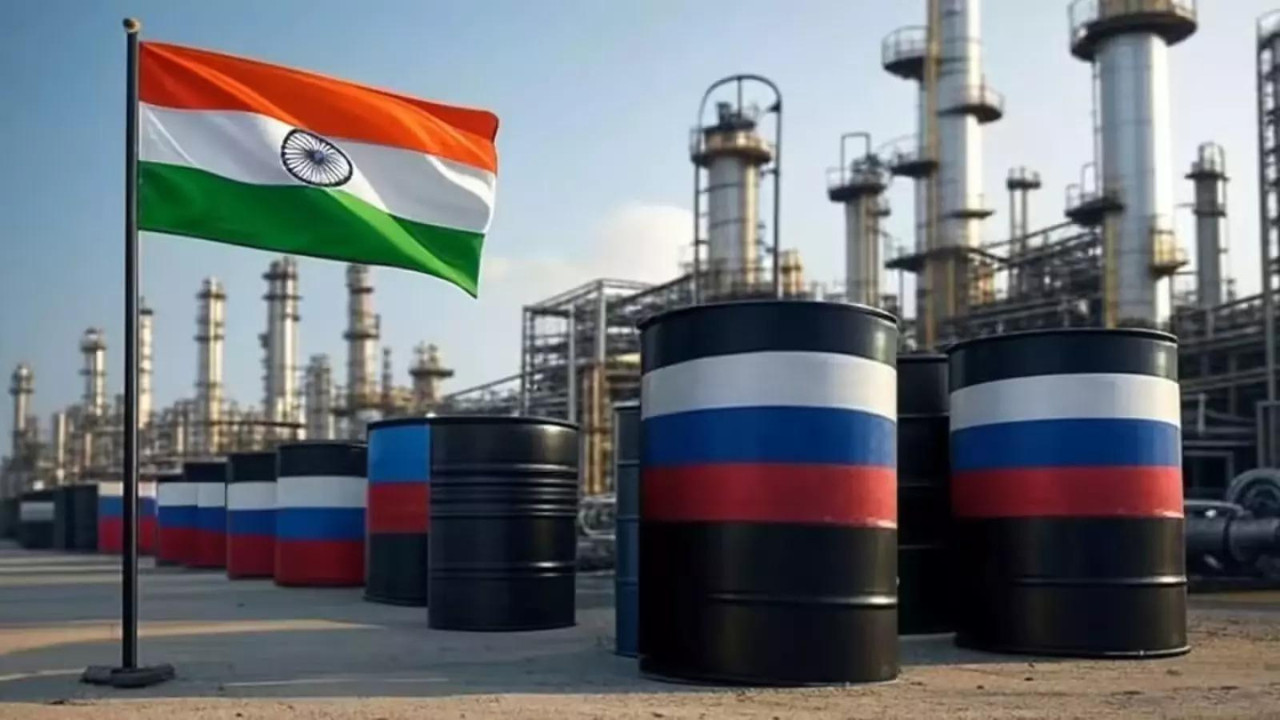
HMEL, a joint venture involving Lakshmi Mittal and HPCL, has halted Russian crude oil imports due to new Western sanctions. The company stated this suspension is pending outstanding orders and cited restrictions from the US, EU, and UK. HMEL clarified it buys oil on a delivered basis, lacking visibility over intermediate vessel movements and denied allegations of using sanctioned ships.
Chilling Winds: How US Sanctions Are Reshaping India’s Oil Landscape
The global oil market is a complex beast, a swirling vortex of supply, demand, and geopolitical tension. Lately, that tension has ratcheted up significantly, and India is feeling the chill. Recent US sanctions targeting Russia’s energy sector are having a ripple effect, forcing Indian companies to recalibrate their strategies, and demonstrating the long arm of international policy.
One of the first significant shifts has been the decision by HPCL-Mittal Energy Limited (HMEL), a major player in India’s refining industry, to halt its imports of Russian crude oil. This isn’t a snap decision; it’s a calculated move driven by the fear of running afoul of increasingly stringent US sanctions aimed at curtailing Russia’s financial lifelines. The move highlights the difficult balancing act India faces as it navigates its energy needs while maintaining relationships with key global partners.
What’s driving this change of heart? The threat of secondary sanctions. These sanctions target entities that facilitate transactions with sanctioned individuals or organizations, effectively creating a global dragnet. For HMEL, the risk of being blacklisted and losing access to crucial international markets simply outweighs the benefits of procuring cheaper Russian crude.
The Sanctions Tighten: A Closer Look
The US has been steadily tightening the screws on Russia’s oil revenues, particularly targeting entities involved in the transport and sale of Russian crude above a certain price cap. This price cap, set by the G7 nations, aims to limit Russia’s ability to profit from oil sales while still ensuring global energy supplies aren’t completely disrupted.

The recent sanctions have taken a more aggressive turn, focusing on specific vessels and companies suspected of violating the price cap. This leaves Indian refiners like HMEL in a precarious position. Even if a shipment appears compliant on the surface, there’s a risk that it could be linked to sanctioned entities further down the supply chain.
HMEL has vehemently denied using any blacklisted ships for its shipments, a crucial denial considering the sensitivity of the issue. However, the company is clearly taking a cautious approach, choosing to avoid any potential entanglement with sanctioned entities, even if it means sourcing oil from more expensive alternatives.
Impact on India’s Energy Security
India has become a significant importer of Russian crude since the start of the war in Ukraine, attracted by discounted prices as Western nations turned away from Russian energy. This shift has helped India diversify its energy sources and keep prices relatively stable for its consumers. However, the recent developments raise concerns about the long-term sustainability of this strategy.

The decision by HMEL to halt Russian oil imports underscores the vulnerability of India’s energy security to external pressures. While India is actively exploring alternative sources, including increasing domestic production and diversifying its import partners, these efforts take time and investment. The immediate impact could be higher prices for consumers and a strain on the refining industry. To mitigate these risks, it’s crucial for India to aggressively pursue avenues of energy diversification and forge reliable partnerships with countries not subject to such stringent sanctions. Perhaps further investment in renewable energy sources is also needed to decrease dependence on foreign oil. [You can read more about India’s renewable energy goals here.](internal-link)

What Does the Future Hold?
The situation is fluid and constantly evolving. The US could further tighten sanctions, making it even more difficult for Indian companies to import Russian crude without risking repercussions. Alternatively, the geopolitical landscape could shift, leading to a relaxation of sanctions and a resumption of trade.
For now, Indian refiners are likely to adopt a more cautious approach, diversifying their supply chains and prioritizing compliance with international regulations. This could mean sourcing more oil from the Middle East, Africa, and even the United States, albeit at potentially higher costs.
The long-term implications of these sanctions for India’s energy security are significant. They highlight the need for a robust and diversified energy strategy, one that minimizes dependence on any single source and prioritizes resilience in the face of global uncertainty. Only time will tell how effectively India can navigate these turbulent waters and ensure a stable energy future for its growing economy.