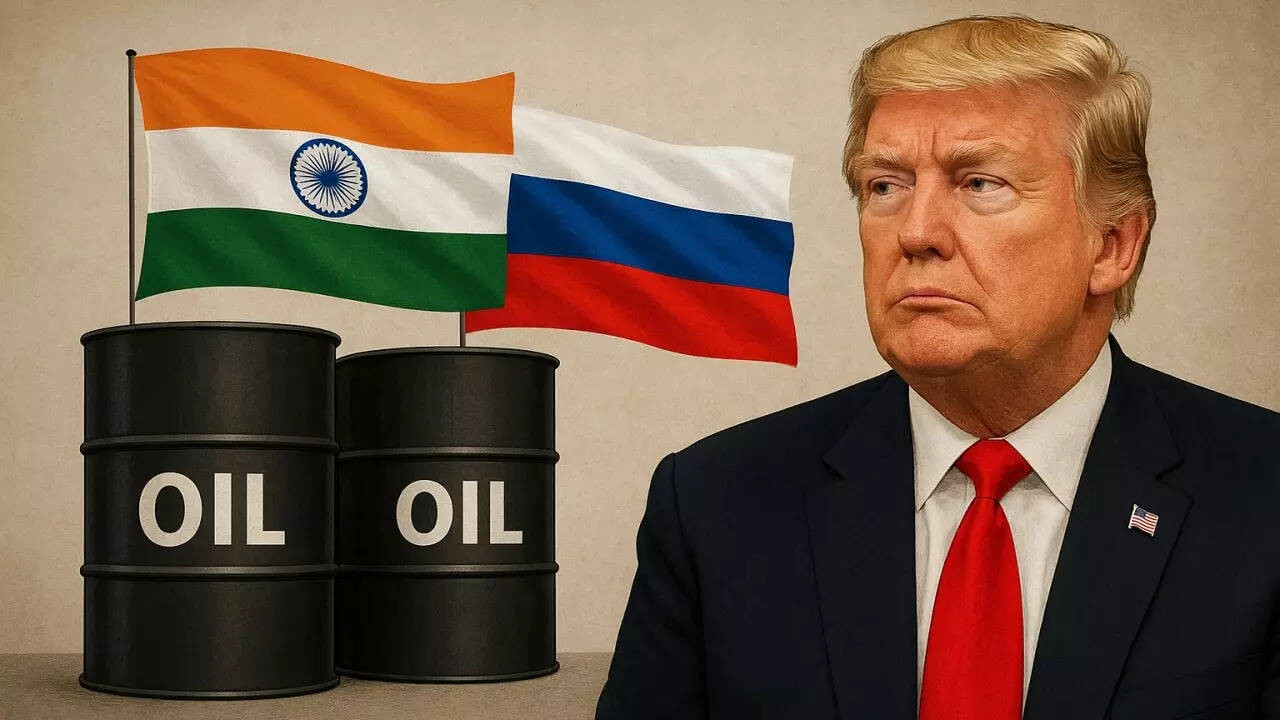
US sanctions on Russian oil giants Rosneft and Lukoil have significantly impacted India’s crude imports, with shipments plummeting by 66% in November. Refineries are now wary of US penalties, leading to reduced new orders and expedited existing ones. This shift forces Russian exporters to adopt more opaque shipping methods to navigate sanctions.
The Ripple Effect: Will US Sanctions Dry Up India’s Russian Oil Flow?
For months, India has deftly navigated the global energy market, becoming a major importer of discounted Russian crude oil. This strategic move, largely a consequence of the war in Ukraine, has offered a crucial buffer against rising global energy prices. But could the party be coming to an end? Recent actions from the US government suggest the flow of Russian oil to India might be about to slow to a trickle.
A dramatic shift is already underway. The numbers paint a stark picture: Russian oil shipments to India have plummeted by a staggering 66% since the US ratcheted up sanctions targeting entities facilitating the trade of Russian oil. It’s a clear sign that the pressure is working, and the implications for India’s energy landscape are significant.
Understanding the Impact of Trump-Era Sanctions
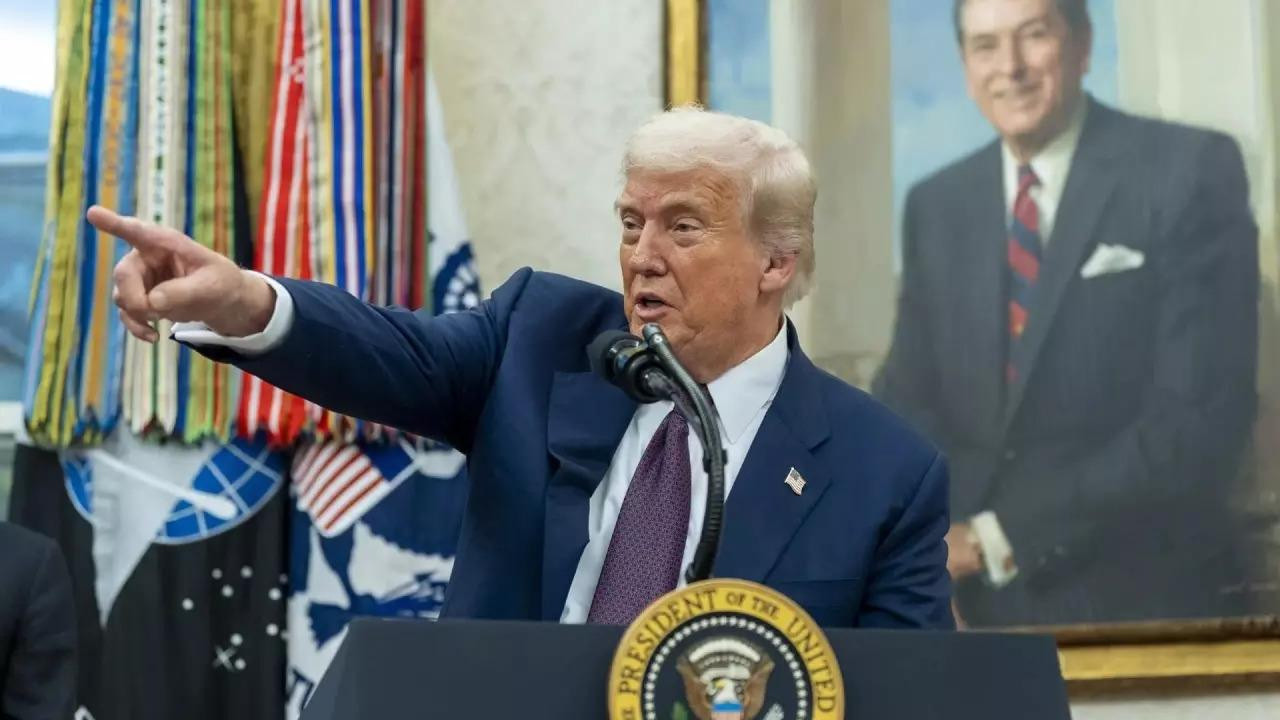
While often framed as new, these sanctions are, in reality, an escalation of measures initially put in place during the Trump administration. The goal? To choke off Russia’s primary revenue stream – oil – and limit its ability to finance the war in Ukraine. The current administration is doubling down on these efforts, specifically targeting ships and companies suspected of violating the price cap imposed by the G7 nations.
The effectiveness of these sanctions hinges on their ability to disrupt the complex web of intermediaries and logistical networks that facilitate the movement of Russian oil. By targeting vessels and companies involved in transporting, insuring, or financing these shipments, the US aims to make it exceedingly difficult, and financially risky, for anyone to do business with Russia’s energy sector.


India’s Strategic Tightrope Walk: Navigating Energy Security
India finds itself in a tricky situation. Balancing its energy needs with international pressure is a delicate act. The discounted Russian crude has been a lifeline, offering a much-needed alternative to pricier sources. However, increased scrutiny and the risk of secondary sanctions are forcing Indian refiners to reassess their reliance on Russian oil.
What are India’s options? Diversification is key. Expect to see Indian companies actively seeking alternative sources of crude oil from countries like Saudi Arabia, Iraq, and the United States itself. This shift won’t happen overnight, and may lead to a temporary increase in energy costs for Indian consumers and businesses.
Furthermore, India might explore strengthening its domestic energy production capabilities. Investing in renewable energy sources and improving energy efficiency could provide long-term energy security and reduce dependence on foreign oil markets. For more on India’s energy landscape, see our article on [renewable energy adoption in India](internal-link-to-related-content).
The Future of Russian Oil Flow: What to Expect Next
The immediate future looks uncertain. The 66% drop in Russian oil shipments isn’t just a blip; it signals a potential long-term trend. While some argue that Russia will simply find new routes and intermediaries to circumvent sanctions, the increased vigilance from the US and its allies will undoubtedly make this more challenging and costly.

We can anticipate increased volatility in the global oil market as various players adjust to the new realities. The price of crude oil could fluctuate, impacting economies worldwide, including India. Consumers should brace themselves for potential price hikes at the pump.
The long-term consequences are more complex. Will Russia be able to find new buyers for its oil? Will India successfully diversify its energy sources? The answers to these questions will shape the global energy landscape for years to come. The situation is dynamic, and continuous monitoring of policy changes and market trends is vital.
Ultimately, the impact of these Trump-era sanctions on Russian oil shipments to India extends far beyond mere numbers. It represents a significant geopolitical power play, with far-reaching implications for energy security, international relations, and the global economy. It forces India to re-evaluate its strategic partnerships and navigate a world where energy trade is increasingly intertwined with political considerations.