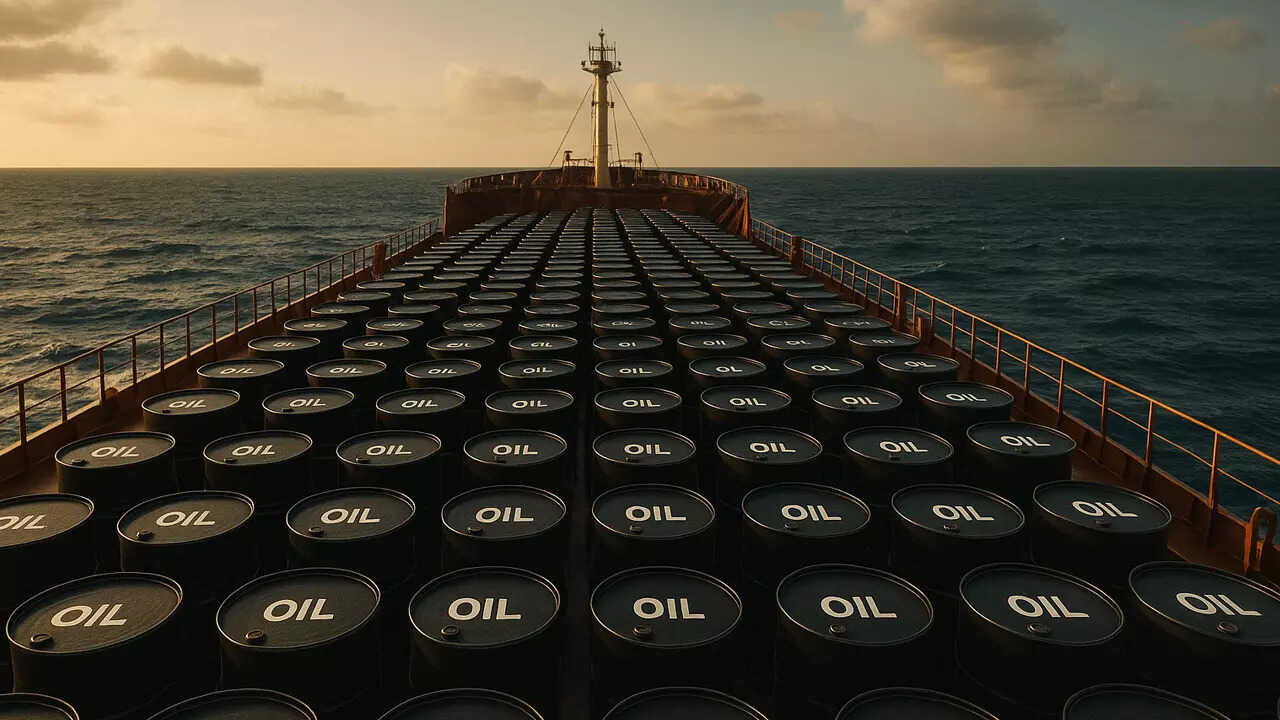
India’s Russian crude imports may hit a four-year low in January 2026 due to US sanctions, forcing refiners to seek alternatives. Despite pressure, Russia is exploring new channels, with potential for non-sanctioned oil flows to resume. India’s strategic need for cost-effective energy and Russia’s efforts to maintain trade suggest this dip might be temporary.
Is India’s Russian Oil Romance Cooling Off? A Look at Shifting Energy Dynamics
For the past two years, a significant narrative in the global energy market has revolved around India’s burgeoning appetite for Russian crude oil. Discounted prices, born from Western sanctions following the conflict in Ukraine, made Russian oil an irresistible bargain for India, catapulting Russia to the top of India’s list of oil suppliers. However, the winds appear to be shifting. Recent reports suggest that India’s crude oil imports from Russia are poised to dip to a four-year low in June. But is this a fleeting blip, or a sign of a more enduring change in strategy?

The numbers paint a compelling picture. While India’s overall crude imports have remained robust, the proportion sourced from Russia is expected to decrease substantially. Several factors contribute to this evolving energy landscape. One significant driver is the tightening of sanctions enforced by the US and its allies. While not directly targeting India, these sanctions are creating ripples throughout the global oil trade, impacting payment mechanisms, insurance, and shipping logistics. Essentially, navigating the complexities of international sanctions is becoming increasingly difficult and costly, even for countries like India that haven’t officially joined the sanctions regime.
The Price Isn’t Always Right: Exploring Alternatives to Russian Crude
Beyond sanctions, another crucial element is the narrowing price gap between Russian crude and oil from other sources. The steep discounts that initially fueled India’s buying spree have diminished. As the global oil market recalibrates and Russia seeks alternative buyers, the competitive edge once enjoyed by Russian oil has begun to erode. This allows Indian refiners to consider a wider range of options without sacrificing economic efficiency.

It’s not simply about cost, though. Indian refiners are sophisticated players with diverse needs. Different types of crude oil have varying properties and are best suited for producing specific refined products. While Russian crude has been a valuable feedstock, Indian refineries are constantly optimizing their blends to maximize output and profitability. This optimization process often involves diversifying their sources to ensure access to the optimal mix of crude grades.
Furthermore, India’s strategic petroleum reserves play a crucial role in its energy security strategy. These reserves act as a buffer against supply disruptions and price volatility. While Russian oil has undoubtedly contributed to replenishing these reserves in recent times, India is also keen to diversify its reserve holdings with oil from various regions to mitigate geopolitical risks.
Geopolitical Chess: India’s Energy Strategy in a Shifting World
The dynamics extend beyond pure economics. India’s foreign policy prioritizes maintaining strong relationships with a diverse range of countries. Over-reliance on a single source of energy, even one offering attractive prices, can create vulnerabilities and potentially strain diplomatic ties with key partners. Diversification is, therefore, not just an economic imperative but also a strategic one.
Consider India’s relationship with Middle Eastern oil producers, traditionally its primary suppliers. While Russian oil provided a valuable alternative, India is keen to maintain and strengthen its partnerships in the Middle East. These relationships are not solely based on oil; they encompass broader economic, political, and security cooperation. Shifting back towards these traditional suppliers signals a commitment to these long-standing alliances. You can learn more about India’s relationship with other global players here.
The Future of India’s Crude Oil Imports: A Balancing Act
So, what does the future hold? It’s unlikely that India will completely abandon Russian oil. The sheer volume of oil Russia produces and its willingness to offer competitive prices will likely ensure its continued presence in the Indian market. However, the era of heavily discounted prices and rapidly increasing import volumes may be coming to an end.

Instead, we can expect a more nuanced approach. India will likely continue to source Russian oil, but at levels that reflect a careful balancing act between economic benefits, geopolitical considerations, and the need for diversification. The focus will be on optimizing its energy mix, ensuring security of supply, and maintaining strong relationships with a wide range of global partners. This fluctuating dance between geopolitical strategy and economical needs will define India’s crude oil imports for the foreseeable future.
Ultimately, the evolving dynamics of India’s crude oil imports demonstrate its growing sophistication as a global energy player. It is a story of strategic maneuvering, economic pragmatism, and a constant quest for energy security in an increasingly complex world.