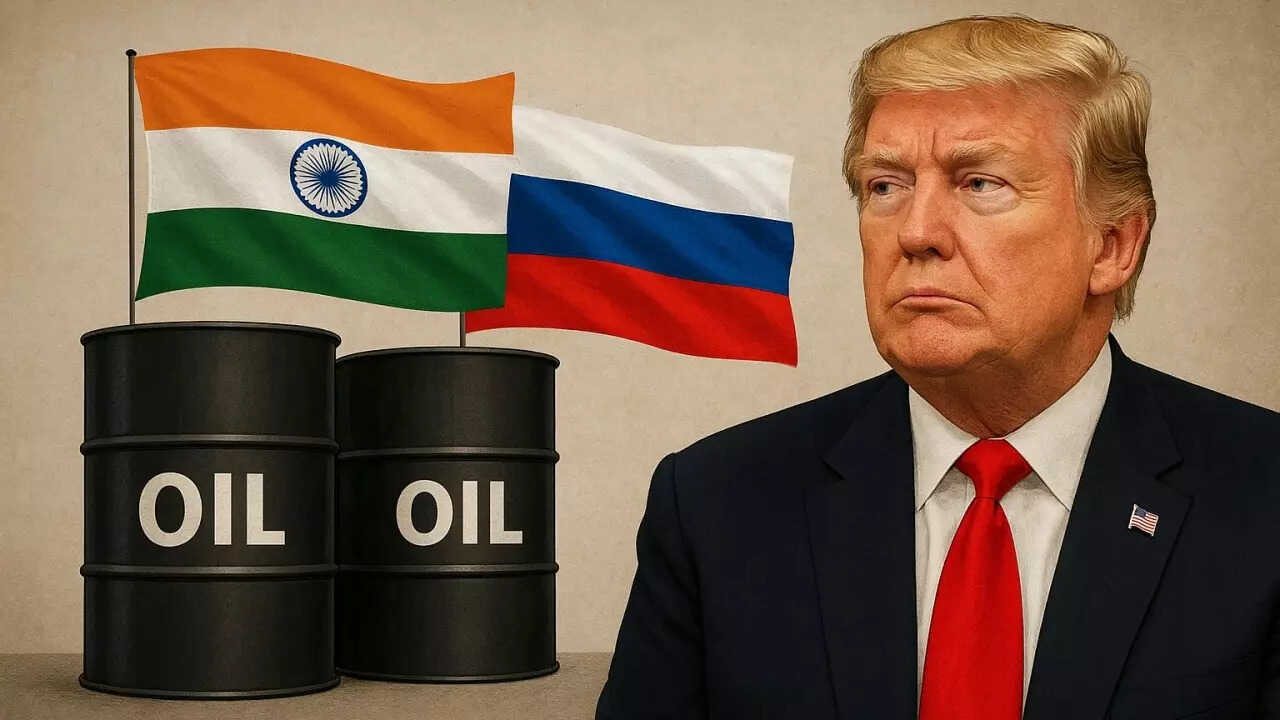
India’s Russian crude imports are set to dip following US sanctions on major oil firms, but a permanent shift is unlikely. Refiners are strategically sourcing from non-sanctioned Russian entities and other global suppliers. Despite temporary disruptions, India’s demand for cost-effective Russian oil, coupled with emerging workarounds, suggests continued, albeit indirect, procurement.
India’s Russian Oil Romance: Can It Survive the US Sanctions Stare?
India’s energy appetite is legendary. To fuel its booming economy, the nation needs a constant, reliable, and, crucially, affordable supply of crude oil. Over the past year, Russia has stepped up to fill that need, becoming India’s top oil supplier. But is this burgeoning bromance sustainable, especially with the ever-watchful gaze of the United States and its sanctions regime?
Recent data paints a compelling picture: India’s crude oil imports from Russia have surged, hitting a five-month high. This isn’t just a blip; it’s a clear trend. Discounted Russian crude has proven too tempting for Indian refiners to resist, offering a significant cost advantage in a fiercely competitive global market. The lower price allows Indian companies to improve their margins and ultimately provide cheaper fuel to consumers.


The Sanctions Shadow: Navigating Murky Waters
The problem, as always, lies in the details. The US, while not explicitly forbidding India from buying Russian oil, has made its disapproval abundantly clear. The G7 nations, including the US, have implemented a price cap mechanism, aiming to restrict Russia’s oil revenue while still ensuring global energy supplies aren’t disrupted. This cap limits the price at which Russian crude can be sold, with enforcement relying on restricting access to Western shipping and insurance services for shipments exceeding the limit.
India, however, has deftly navigated these constraints. Much of the trade is conducted in currencies other than the US dollar, reducing reliance on Western financial systems. Furthermore, a parallel ecosystem of shipping and insurance providers has emerged, catering specifically to Russian oil exports. These workarounds, while effective, add layers of complexity and potentially introduce new risks into the supply chain.
Price Caps and Parallel Systems: The Devil’s in the Details
The efficacy of the price cap mechanism is constantly debated. While it has demonstrably reduced Russia’s oil revenue compared to pre-war levels, it hasn’t completely crippled its energy sector. Russia has adapted, finding new buyers and developing alternative transportation and financial channels. The resilience of this parallel system is a key factor in determining whether India can continue its current import levels.
The US government faces a delicate balancing act. On one hand, it wants to penalize Russia for its actions in Ukraine. On the other hand, it doesn’t want to unduly harm the global economy or push India, a strategic partner in the Indo-Pacific region, closer to Russia. Striking that balance requires careful diplomacy and a nuanced understanding of India’s energy needs and geopolitical considerations.

The Future of India’s Russian Oil Dependence
So, what does the future hold? Several factors will determine whether India can sustain its current levels of crude oil imports from Russia. The most crucial is the US’s appetite for enforcement. A stricter interpretation of the sanctions regime, with greater scrutiny of shipping and financial transactions, could significantly impact India’s ability to access Russian crude. Another critical element is the evolution of the parallel ecosystem supporting Russian oil exports. As this system matures, it could become more resilient to Western pressure, allowing India to continue its imports.
Also, India is diversifying its energy sources. While the crude oil imports from Russia are significant now, India is making substantial investments in renewable energy and exploring alternative suppliers in the Middle East and Africa. These efforts, though gradual, will eventually reduce its reliance on any single source of oil. Read more about India’s strategic reserves [here](internal-link-to-related-content).
Ultimately, the future of India’s reliance on Russian oil hinges on a complex interplay of geopolitical factors, economic considerations, and the evolving dynamics of the global energy market. While discounted Russian crude offers an undeniable advantage, India must carefully weigh the risks and rewards of continuing its current path, ensuring its energy security without jeopardizing its broader strategic interests.