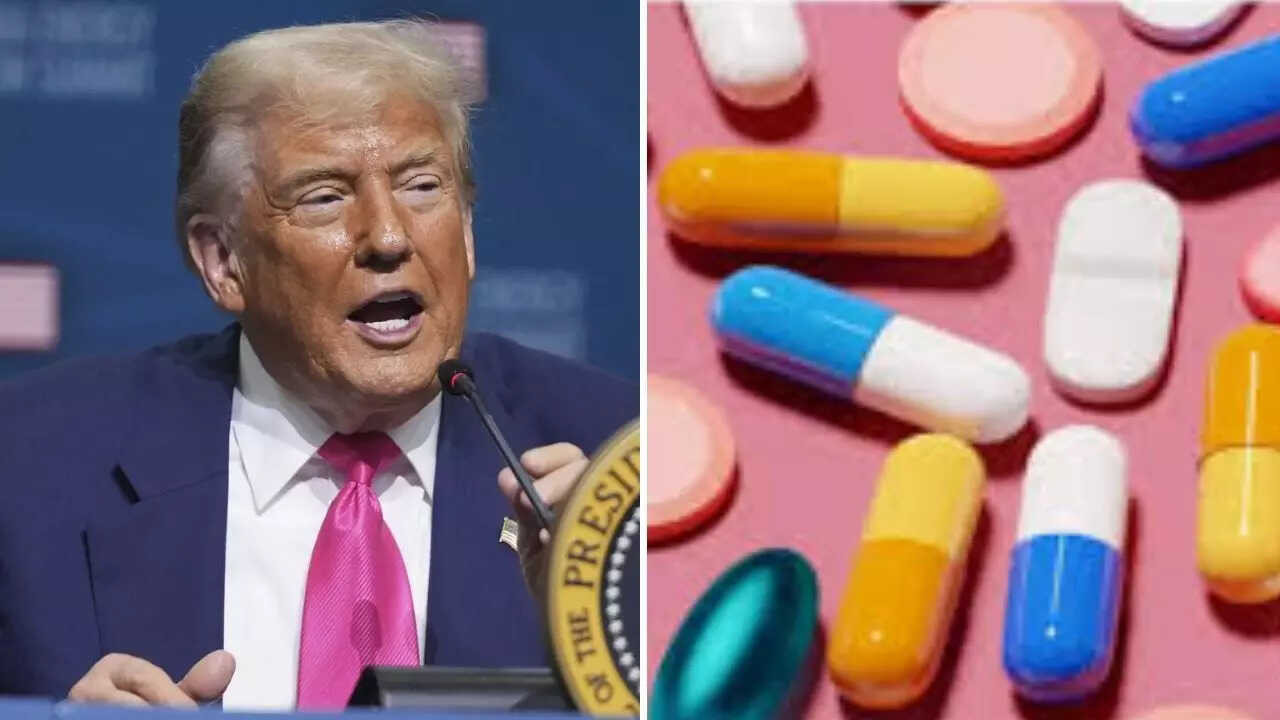
US President Trump announced a 100% tariff on imported branded and patented pharmaceuticals starting October 2025, aiming to boost domestic manufacturing. Indian generic drug makers are largely unaffected initially, but concerns loom over potential tariff expansion to complex generics. Sun Pharma faces significant exposure due to its US branded portfolio.
A Sigh of Relief (For Now): Trump’s Tariff Threat and Indian Pharma
The air in the Indian pharmaceutical sector crackled with anticipation – and a healthy dose of anxiety – recently. The source of the tension? Former US President Donald Trump’s pledge to impose a 100% tariff on certain imported drugs if re-elected. The potential impact on India, a global powerhouse in generic drug manufacturing, was significant.
Fortunately, the initial wave of worry seems to have subsided, at least for now. It appears that Trump’s proposed tariffs are specifically targeting branded drugs, leaving Indian generics largely untouched. But before we breathe a collective sigh of relief and move on, let’s delve deeper into what this all means for the Indian pharma landscape and why a closer look reveals some underlying risks.
Why the Focus on Branded Drugs?
Trump’s rationale behind the tariffs is rooted in his long-standing criticism of high drug prices in the United States. His argument, simplified, is that by incentivizing American pharmaceutical companies to produce more domestically and discouraging reliance on foreign-made, branded medications, the cost of drugs will eventually come down for American consumers.
The logic, however, is debatable. While bringing manufacturing back home might create jobs, it’s unlikely to significantly impact the price of branded drugs, which are often protected by patents and enjoy market exclusivity. The high cost of these drugs is largely attributed to research and development expenses, marketing costs, and, frankly, the ability to charge premium prices due to a lack of competition.

Indian Generics: Spared, But Not Entirely Safe
While Indian generic manufacturers may not be directly affected by these specific tariffs, the ripples of such a policy could still reach our shores. The US is a crucial market for Indian pharma, and any disruption to the overall pharmaceutical landscape there is bound to have repercussions.
For starters, the targeted tariffs on branded drugs might indirectly influence prescribing patterns. If branded drugs become significantly more expensive due to tariffs, doctors might be more inclined to prescribe generic alternatives, even if those generics aren’t of Indian origin. This could lead to increased competition from generic manufacturers in other countries.
Furthermore, there’s the chilling effect on investor sentiment. Any hint of protectionist policies in major markets like the US can create uncertainty and dampen enthusiasm for investing in the Indian pharmaceutical sector. While current indications point to Indian generics being exempt, the situation warrants close observation.
The Bigger Picture: A Volatile Global Pharma Landscape
Trump’s proposed tariffs are just one piece of a larger, more complex puzzle. The global pharmaceutical industry is navigating a period of significant change, driven by factors such as:
* Rising Drug Development Costs: The cost of bringing a new drug to market continues to escalate, putting pressure on pharmaceutical companies to recoup their investments.
* Patent Expirations: As patents on blockbuster drugs expire, generic competition intensifies, eroding the profitability of the original manufacturers.
* Growing Demand for Affordable Medicines: The increasing global demand for affordable healthcare, particularly in developing countries, is fueling the growth of the generic drug market.

These trends, coupled with political pressures and protectionist policies, create a highly volatile environment for the pharmaceutical industry as a whole.  While India has carved a strong niche in generic drug manufacturing, its long-term success will depend on its ability to adapt to these shifting dynamics and navigate the complex regulatory landscape. You can learn more about the regulations impacting the Indian Pharma industry on our website.
Navigating the Future: Innovation and Adaptation
The key to continued success for the Indian pharmaceutical industry lies in innovation and adaptation. Rather than relying solely on generic drug manufacturing, companies need to invest in research and development, explore new therapeutic areas, and build stronger brands. This will require a strategic shift, moving away from being purely a low-cost provider towards becoming a more value-driven player in the global market.
Moreover, cultivating strong relationships with regulatory bodies and actively engaging in policy discussions will be crucial to shaping a favorable regulatory environment. The threat of tariffs, while seemingly averted for now, serves as a potent reminder of the challenges and opportunities that lie ahead. The Indian pharmaceutical industry must remain vigilant, proactive, and prepared to adapt to the ever-evolving dynamics of the global market.
A Call for Proactive Measures
While the immediate threat of tariffs on Indian generics appears to be minimal, the broader implications for the Indian pharmaceutical sector are significant. Continued vigilance, strategic adaptation, and a proactive approach to innovation and policy engagement are essential to securing the industry’s long-term success. The time to act is now, to ensure India remains a global leader in providing affordable and accessible medicines for all.