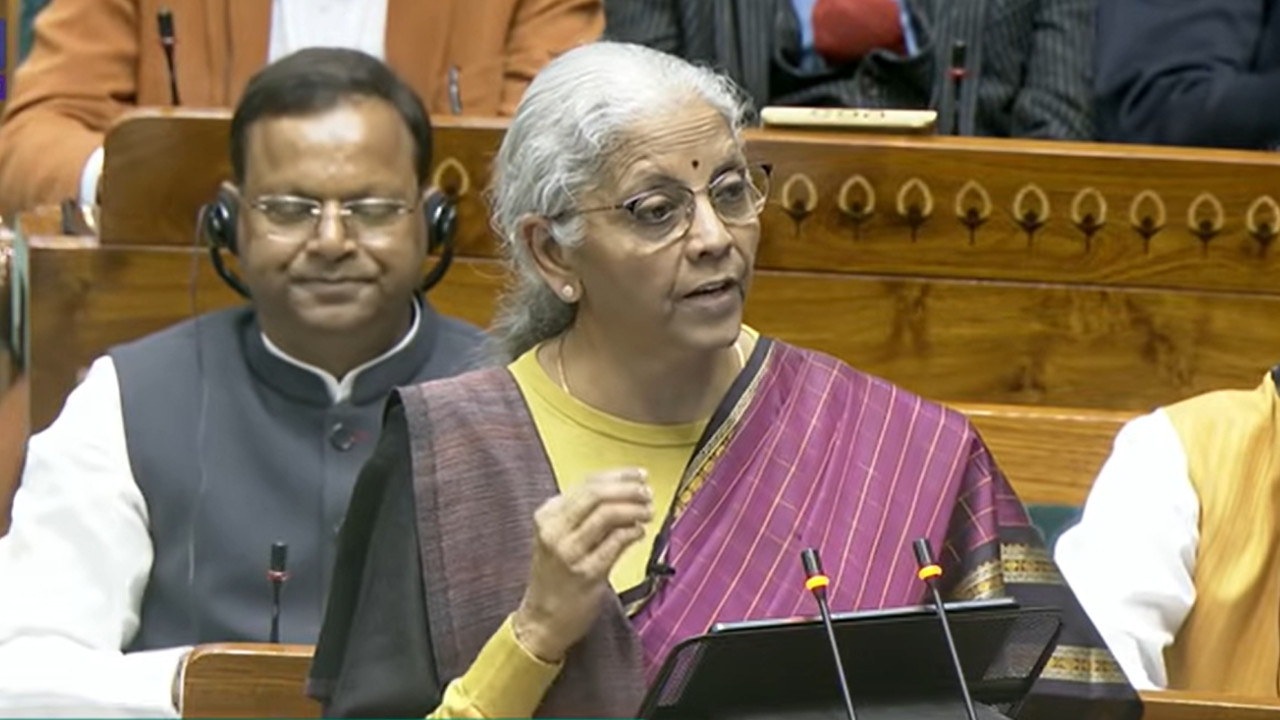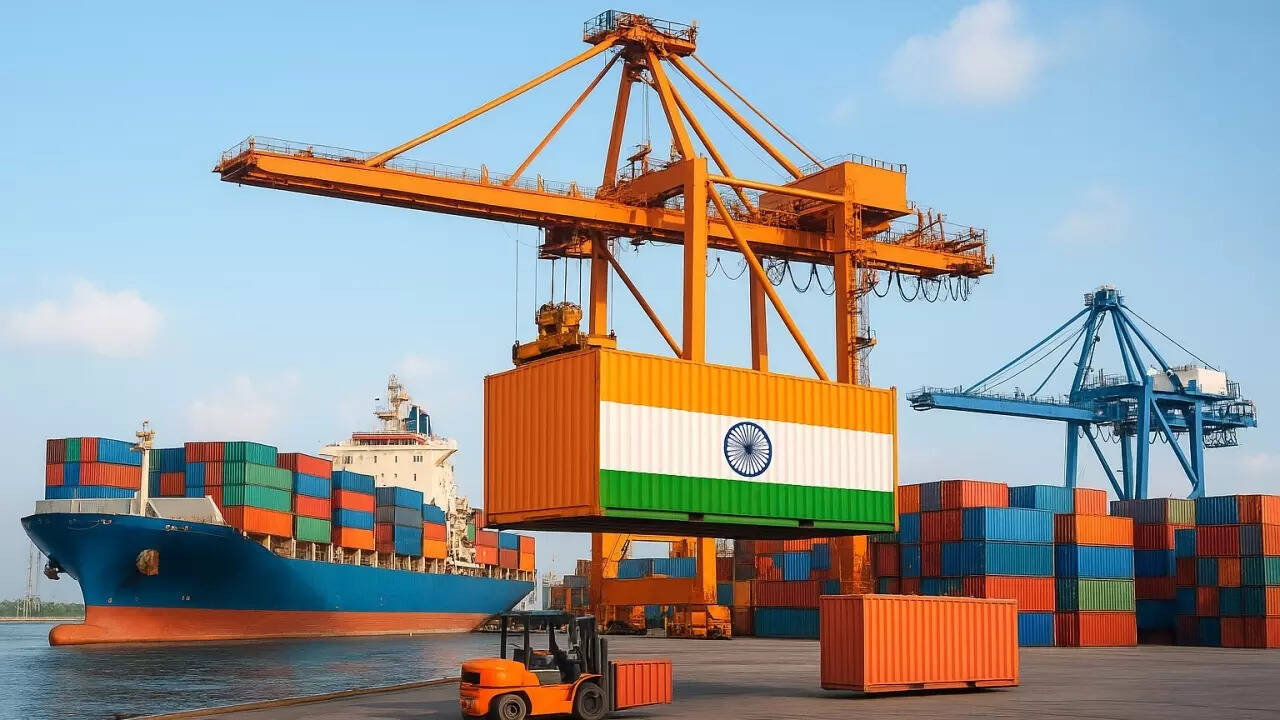
India’s new Export Promotion Mission, approved with ₹25,060 crore over six years, aims to boost exports by supporting MSMEs and offering non-financial aid. However, experts warn of implementation delays due to its conceptual stage, pending digital platforms, and insufficient annual funding. Effective execution hinges on interdepartmental coordination and more resources.
Navigating the Tariff Maze: Can India’s Export Strategy Weather the US Storm?
The global trade landscape just got a little bumpier. With the US slapping a hefty 50% tariff on certain Indian goods, the question buzzing in business circles is: can India’s export promotion strategies effectively counteract the impact? This isn’t just about economics; it’s about India’s ambition to be a significant player in the global market, and the resilience of its strategies in the face of protectionist headwinds.
The Tariff Tightrope: Understanding the Impact
It’s easy to get lost in the jargon of trade agreements and tariff codes, but let’s break down what a 50% tariff really means. Imagine a beautifully crafted Indian textile, ready to grace the shelves of a US boutique. Now, add 50% to its price tag. Suddenly, that textile isn’t quite as attractive compared to locally made alternatives or goods from countries with friendlier trade terms.
This price hike can significantly dampen demand, leading to reduced export volumes and potentially impacting Indian manufacturers, particularly those in sectors targeted by the tariff. Small and medium-sized enterprises (SMEs), often the backbone of India’s export sector, are particularly vulnerable. They often lack the resources to absorb price fluctuations or navigate complex trade regulations.


India’s Export Promotion Playbook: Is it Enough?
India’s government has been actively promoting exports through various schemes and initiatives. These range from offering financial incentives to exporters, simplifying customs procedures, and organizing trade fairs to showcase Indian products on the global stage. The “Make in India” campaign, designed to boost domestic manufacturing, also indirectly supports exports by creating a more competitive and robust industrial base.
But are these efforts sufficient to offset the negative effects of the US tariffs? Some argue that India needs to double down on its diversification strategy. Relying too heavily on a single market, however large, exposes Indian exporters to vulnerabilities when trade policies shift. Exploring new markets in Asia, Africa, and Latin America could provide alternative outlets for Indian goods.
Beyond Incentives: Addressing Systemic Weaknesses
While financial incentives and marketing campaigns are valuable tools, they only address part of the problem. India’s export competitiveness is also hampered by systemic issues that need to be tackled head-on.
Infrastructure bottlenecks, such as inadequate port facilities and congested road networks, drive up transportation costs and delay shipments. Streamlining logistics and investing in infrastructure upgrades are crucial for making Indian exports more competitive.

Bureaucratic red tape also adds to the burden on exporters. Simplifying regulations, reducing compliance costs, and promoting digitalization can create a more business-friendly environment. Skill development is another critical area. Equipping the Indian workforce with the skills needed to produce high-quality goods and services is essential for competing in the global market. Here’s a related piece on [India’s efforts to upskill its workforce].
The Road Ahead: A Balancing Act
Countering the impact of the US tariffs requires a multi-pronged approach. India needs to simultaneously strengthen its existing export promotion programs, diversify its export markets, and address its systemic weaknesses. This isn’t just about mitigating the immediate effects of the tariffs; it’s about building a more resilient and competitive export sector that can thrive in a challenging global environment.
The current situation also highlights the importance of fostering strong trade relationships with other countries. Actively pursuing free trade agreements with key partners can provide preferential access to their markets and reduce reliance on any single trading bloc. India’s recent trade deals in the Middle East and Asia underscore this point.
Ultimately, the success of India’s export strategy will depend on its ability to adapt to changing global dynamics, address its internal challenges, and forge strong partnerships with the rest of the world. The US tariffs may be a setback, but they also present an opportunity for India to re-evaluate its approach and emerge as a stronger, more diversified, and more competitive player in the global economy. Can India overcome these tariff hurdles and maintain its growth trajectory in the global market? The answer lies in a strategic blend of proactive policies, infrastructure improvements, and a focus on innovation and competitiveness.