India’s new Export Promotion Mission, approved with ₹25,060 crore over six years, aims to boost exports by supporting MSMEs and offering non-financial aid. However, experts warn of implementation delays due to its conceptual stage, pending digital platforms, and insufficient annual funding. Effective execution hinges on interdepartmental coordination and more resources.
Navigating the Tariff Tightrope: Can India’s Export Push Overcome US Hurdles?
The economic landscape is constantly shifting, and recent developments in trade relations between India and the United States have thrown a new curveball. The shadow of increased tariffs looms large, raising questions about India’s export future. Specifically, former President Trump’s proposed 50% tariffs on Indian goods have sparked concern. This isn’t just about numbers on a spreadsheet; it’s about jobs, economic growth, and India’s standing in the global market. So, can the Modi government’s export promotion mission effectively navigate these choppy waters?
The Tariff Terrain: Understanding the Challenge
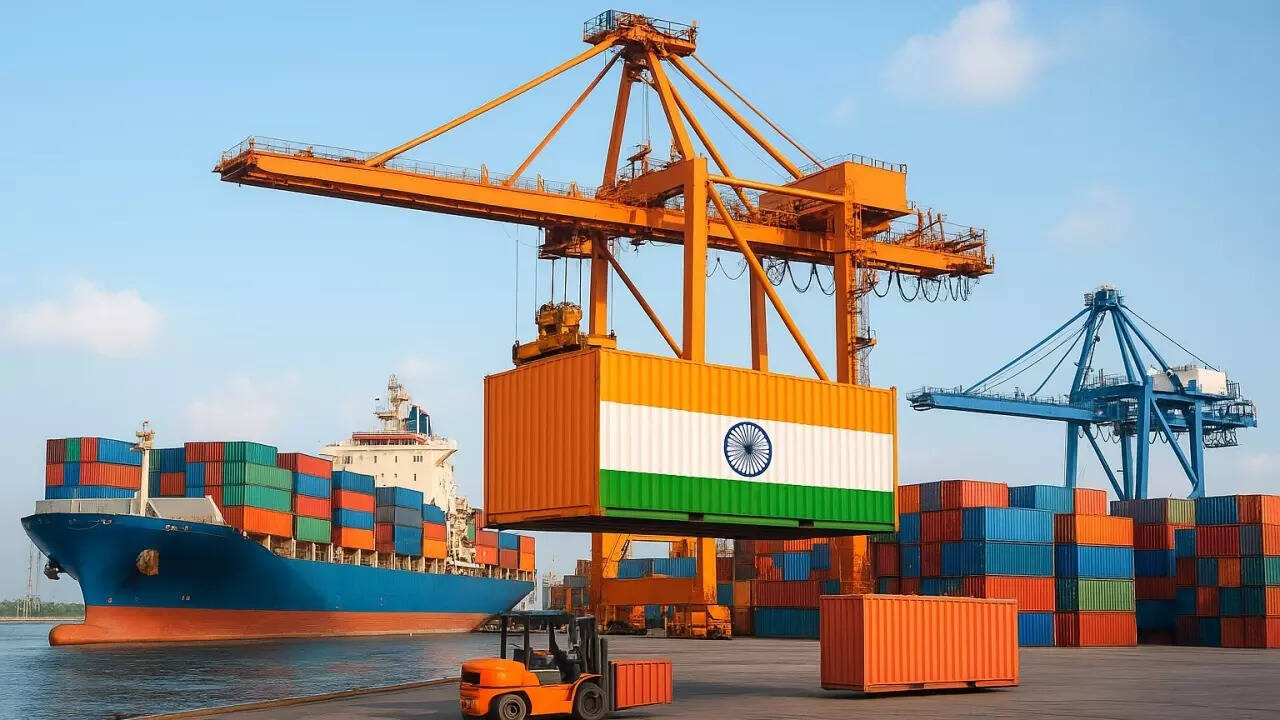
It’s no secret that the US is a crucial market for Indian exporters. From pharmaceuticals to textiles, a significant portion of India’s output finds its way to American shores. A 50% tariff hike could significantly impact the competitiveness of these goods, potentially leading to reduced export volumes and revenue losses. This could particularly hurt small and medium-sized enterprises (SMEs) who often lack the resources to absorb such a shock. Sectors heavily reliant on exports, such as the gems and jewellery industry, would also feel the pinch. The worry is not just about current exports, but also about future investment and expansion plans that hinge on a predictable and accessible US market.
India’s Export Promotion Mission: A Counter-Offensive?
The Indian government, well aware of the stakes, has been actively pushing export promotion initiatives. The core aim is to diversify export markets, improve the competitiveness of Indian products, and streamline export processes. This includes initiatives like the Production Linked Incentive (PLI) scheme, aimed at boosting domestic manufacturing and export capabilities in key sectors. Further investment in infrastructure, such as ports and logistics networks, is intended to reduce transportation costs and improve efficiency. But the question is whether these measures can fully offset the potential impact of hefty tariffs, especially within a relatively short timeframe.

Weaknesses in the Armour: Addressing the Challenges
While the government’s efforts are commendable, some underlying weaknesses need to be addressed to truly fortify India’s export sector. One major hurdle is the complexity of regulatory compliance, which can be a significant burden for businesses, particularly smaller ones. Streamlining these processes and reducing red tape is crucial. Another area of concern is the quality and standards of some Indian products. While significant progress has been made, further improvements are needed to meet the stringent requirements of developed markets like the US. Investing in research and development (R&D) and promoting innovation are vital to enhancing product quality and competitiveness.

Furthermore, the dependence on a few key export markets is a vulnerability. Diversifying into new and emerging markets in regions like Africa and Latin America is essential to reduce reliance on any single market and mitigate risks. Successfully navigating the tariff tightrope will require a multi-pronged approach, addressing both external challenges and internal weaknesses.
Beyond Tariffs: A Broader Perspective
It’s important to remember that the trade relationship between India and the US extends beyond tariffs. There are areas of significant cooperation, such as technology, defense, and clean energy. Strengthening these ties can provide a buffer against trade disputes and foster a more resilient and balanced relationship. For example, collaboration in the renewable energy sector could create new export opportunities for Indian companies. Similarly, deeper ties in the tech sector can drive innovation and create high-value jobs in India.

Also, India’s burgeoning domestic market offers a significant advantage. While export growth is vital, a strong domestic economy can provide a cushion against external shocks. Focusing on policies that promote domestic consumption and investment can create a more self-reliant and resilient economy. See how [investments in Indian manufacturing](related-article-url) are already paying off.
Conclusion: Charting a Course Forward
The potential implementation of a 50% tariff by the US presents a significant challenge to India’s export ambitions. While the Modi government’s export promotion mission is a step in the right direction, addressing underlying weaknesses in regulatory compliance, product quality, and market diversification is crucial. Ultimately, successfully navigating this tariff tightrope requires a multi-faceted strategy that leverages both external opportunities and internal strengths, forging a path towards a more resilient and globally competitive Indian economy. The key is adaptation, innovation, and a relentless focus on improving competitiveness in the international marketplace.