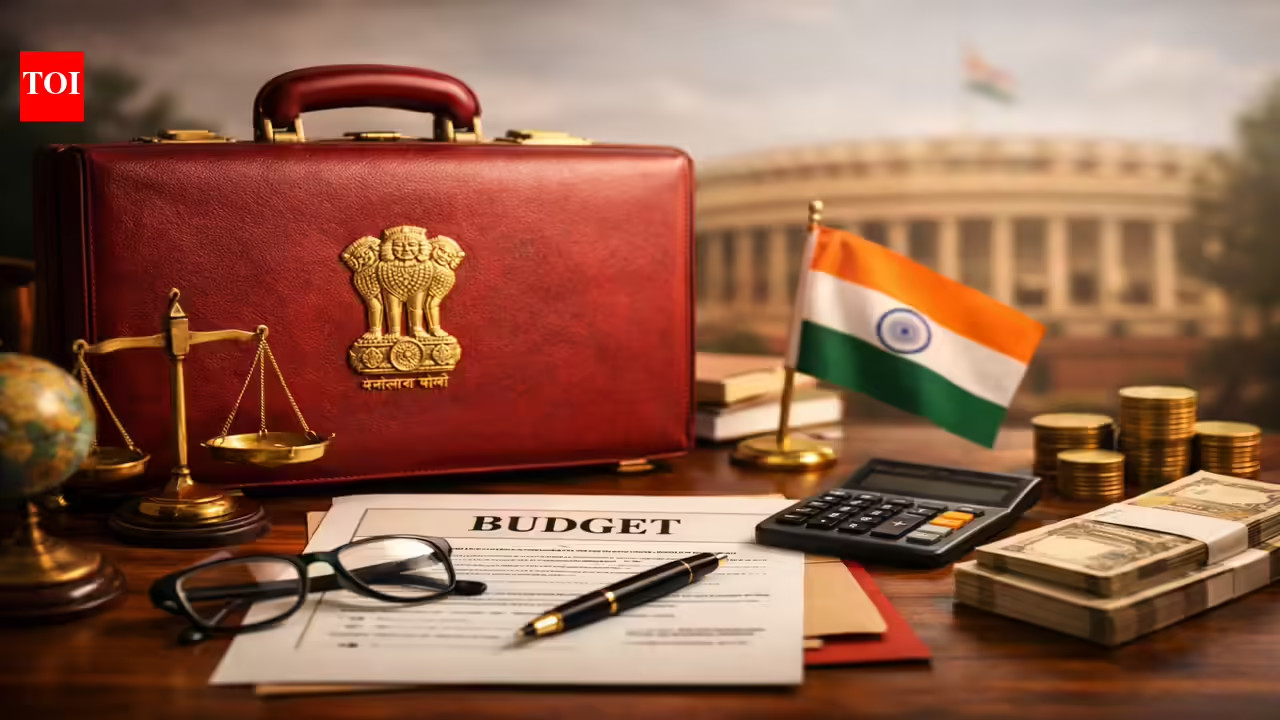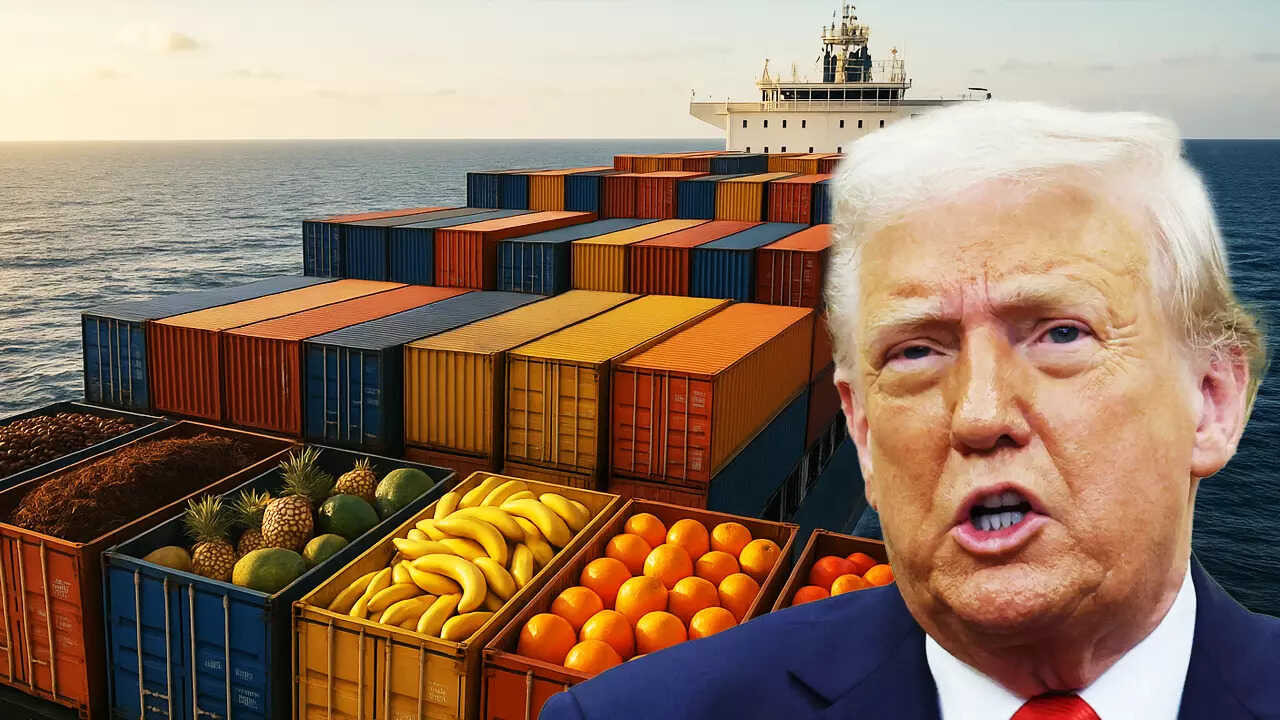
The US has removed tariffs on over 200 food items, including tea, coffee, and spices. This move is expected to boost Indian agricultural exports, creating a more level playing field. Indian exporters anticipate increased demand and better market access.
India’s Agricultural Exports Get a Boost: Trump-Era Tariff Exemptions Revisited
Remember the trade wars of the late 2010s? While they felt disruptive at the time, some unexpected silver linings are still emerging. A recent decision regarding tariff exemptions, dating back to the Trump administration, is poised to give a healthy nudge to India’s agricultural exports to the United States. This isn’t just a tweak; it’s a potential unlock for significant growth in a vital sector.
For years, various products faced tariffs that added extra costs and hurdles to international trade. Now, the U.S. has decided to reinstate exemptions on a substantial list of items, specifically around 200, offering Indian exporters a more competitive edge in the American market.
Unpacking the Benefits for Agricultural Exports
What exactly does this mean for Indian farmers and businesses? The revived exemptions primarily target the agricultural sector, including a range of goods from fruits and vegetables to certain processed foods. The impact will be felt in reduced import duties, making Indian products more attractive to U.S. buyers.
Think of it this way: previously, a U.S. importer might have hesitated to choose Indian mangoes due to the added tariff cost. Now, with those costs reduced or eliminated, Indian mangoes become a far more compelling option. This increased competitiveness translates directly into higher demand and potentially larger profits for Indian exporters.

<img src="image-of-indian-farmers-harvesting-crops.jpg" alt="Indian farmers harvesting crops, exemplifying the benefits of agricultural exports.” width=”600″ height=”400″>
Beyond mangoes, the list of impacted products is quite extensive. This move has the potential to stimulate growth across diverse segments of the Indian agricultural landscape. While pinpointing the precise financial gains is challenging, analysts predict a significant overall positive impact.
Why Now? Understanding the Shift in Trade Policy
The timing of this policy shift raises questions. What prompted the U.S. to revisit these exemptions now? Several factors could be at play. One possibility is a renewed focus on diversifying supply chains. By easing trade barriers with India, the U.S. can reduce its reliance on other nations for certain agricultural goods.
Another consideration could be the broader geopolitical landscape. Strengthening economic ties with India, a key player in the Indo-Pacific region, aligns with strategic interests. Trade is a powerful tool for building relationships and fostering collaboration.
Navigating the Future of India’s Agricultural Exports
While this news is undoubtedly encouraging, it’s important to acknowledge that the global trade environment remains dynamic. Fluctuations in currency exchange rates, evolving consumer preferences, and unforeseen geopolitical events can all influence the long-term trajectory of India’s agricultural exports.

Indian businesses must remain agile and adaptable to thrive in this ever-changing landscape. Investing in modern farming techniques, improving supply chain efficiency, and focusing on high-quality products will be crucial for maintaining a competitive edge. Further, exploring niche markets and value-added products can unlock additional revenue streams. For example, exploring the burgeoning market for organic produce or creating uniquely packaged items tailored to specific consumer demands.
Read more about how technological advancements are impacting Indian agriculture on [our blog about AgriTech solutions](link-to-agritech-blog).
The decision to reinstate these tariff exemptions is a welcome development for India’s agricultural sector. It represents a tangible opportunity for growth and increased market share in the United States. Whether this momentum translates into sustained long-term success will depend on the strategic choices made by Indian businesses and policymakers alike. However, the potential benefits are undeniable and point towards a brighter future for India’s agricultural exports. This move serves as a potent reminder that trade policies, even those seemingly relegated to history, can have significant and lasting impacts on economies worldwide.