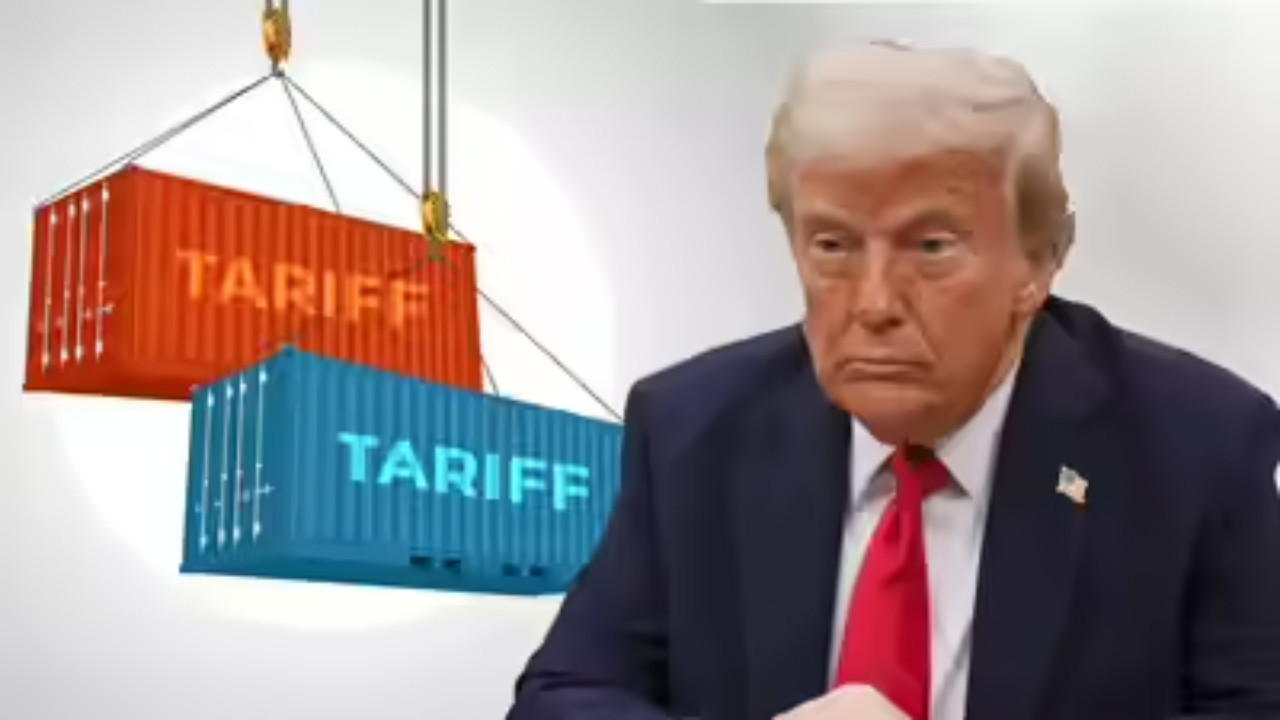
The US trade deficit significantly narrowed in August, falling to $59.6 billion as tariffs reduced imports. Despite this pullback, the trade gap has widened year-to-date, though a narrower deficit typically supports economic growth. President Trump’s tariffs, aimed at addressing perceived exploitation, have faced scrutiny over their impact on inflation and legality.
Did Trump’s Trade War Actually Shrink the US Trade Deficit? A Deep Dive
The numbers are in, albeit fashionably late thanks to a government shutdown delay, and they paint a curious picture of the US trade landscape. The US trade deficit experienced a rather dramatic dip in August, plunging by a substantial 2.4 percent. This immediately raises the question: did former President Trump’s aggressive tariff policies finally bear fruit, as some proponents claimed? Or is there more to the story than meets the eye?
The immediate reaction might be to attribute this decline solely to the tariffs slapped on goods from China and other nations. After all, a cornerstone of the Trump administration’s economic strategy was to reduce the trade deficit by making imports more expensive and boosting domestic production. It’s a narrative that resonates with those who believe in protecting American industries and jobs. However, diving deeper into the data reveals a more nuanced situation, and that simple cause and effect might be misleading.
One of the key factors driving this decrease was a significant drop in imports. This isn’t necessarily a sign of a booming domestic economy replacing foreign goods. Instead, it could point to a slowdown in consumer demand or businesses tightening their belts due to broader economic uncertainties. The global economy, after all, has been navigating choppy waters for quite some time. Supply chain disruptions, inflation concerns, and geopolitical tensions have all contributed to a climate of caution. Reduced imports, therefore, might be a symptom of a more widespread issue rather than a direct result of tariffs reshaping trade flows.

Furthermore, it’s crucial to examine which sectors experienced the most significant import declines. Were these sectors directly targeted by tariffs? Or were they affected by other factors, such as changing consumer preferences or technological advancements? Understanding the specific dynamics at play within each industry is essential for drawing accurate conclusions about the true impact of the tariffs.

On the other side of the coin, export performance also plays a crucial role in determining the trade deficit. While imports decreased, did US exports increase proportionally? A healthy export sector is vital for a balanced trade relationship. If exports remained stagnant or even declined, the reduction in the trade deficit could simply reflect weaker economic activity overall, rather than a genuine improvement in trade competitiveness.
Analyzing the Impact of Tariffs on the US Economy
Looking beyond the immediate impact on the trade deficit, it’s important to consider the broader effects of tariffs on the US economy. While tariffs might protect certain domestic industries, they also increase costs for consumers and businesses that rely on imported goods. This can lead to higher prices, reduced competitiveness, and even job losses in sectors that depend on global supply chains.
Moreover, retaliatory tariffs imposed by other countries can harm US exporters, offsetting any potential benefits from the initial tariffs. Trade wars, as history has repeatedly shown, rarely have clear winners. They often result in a lose-lose situation for all parties involved, disrupting global trade flows and undermining economic growth.
Alternative Factors Influencing the Trade Deficit
Beyond tariffs and global economic conditions, several other factors can influence the US trade deficit. Exchange rates, for example, play a significant role. A stronger dollar makes US exports more expensive for foreign buyers and imports cheaper for American consumers, potentially widening the trade deficit. Conversely, a weaker dollar can make US exports more competitive and imports more expensive, potentially narrowing the deficit.

Changes in domestic investment and savings patterns can also affect the trade balance. If a country invests more than it saves, it will likely run a trade deficit to finance that investment. Conversely, if a country saves more than it invests, it will likely run a trade surplus. Government fiscal policies, such as tax cuts or increased spending, can also influence the trade deficit by affecting aggregate demand and investment.
What Does This Mean for the Future of US Trade?
So, what are the key takeaways from this recent data release? While the August trade deficit decline might appear positive on the surface, it’s crucial to avoid simplistic interpretations. Attributing it solely to Trump’s tariffs would be an oversimplification of a complex economic reality. A combination of factors, including global economic conditions, fluctuating demand, and perhaps some influence from tariffs, likely contributed to this outcome.
Moving forward, a more comprehensive approach to trade policy is needed. One that prioritizes open markets, fair trade practices, and international cooperation. Instead of relying solely on protectionist measures, fostering innovation, investing in education and infrastructure, and promoting a stable and predictable regulatory environment will boost US competitiveness and lead to sustainable, long-term economic growth. Understanding all the intricate factors that influence the trade deficit is key to formulating effective and responsible trade policies that benefit all Americans.