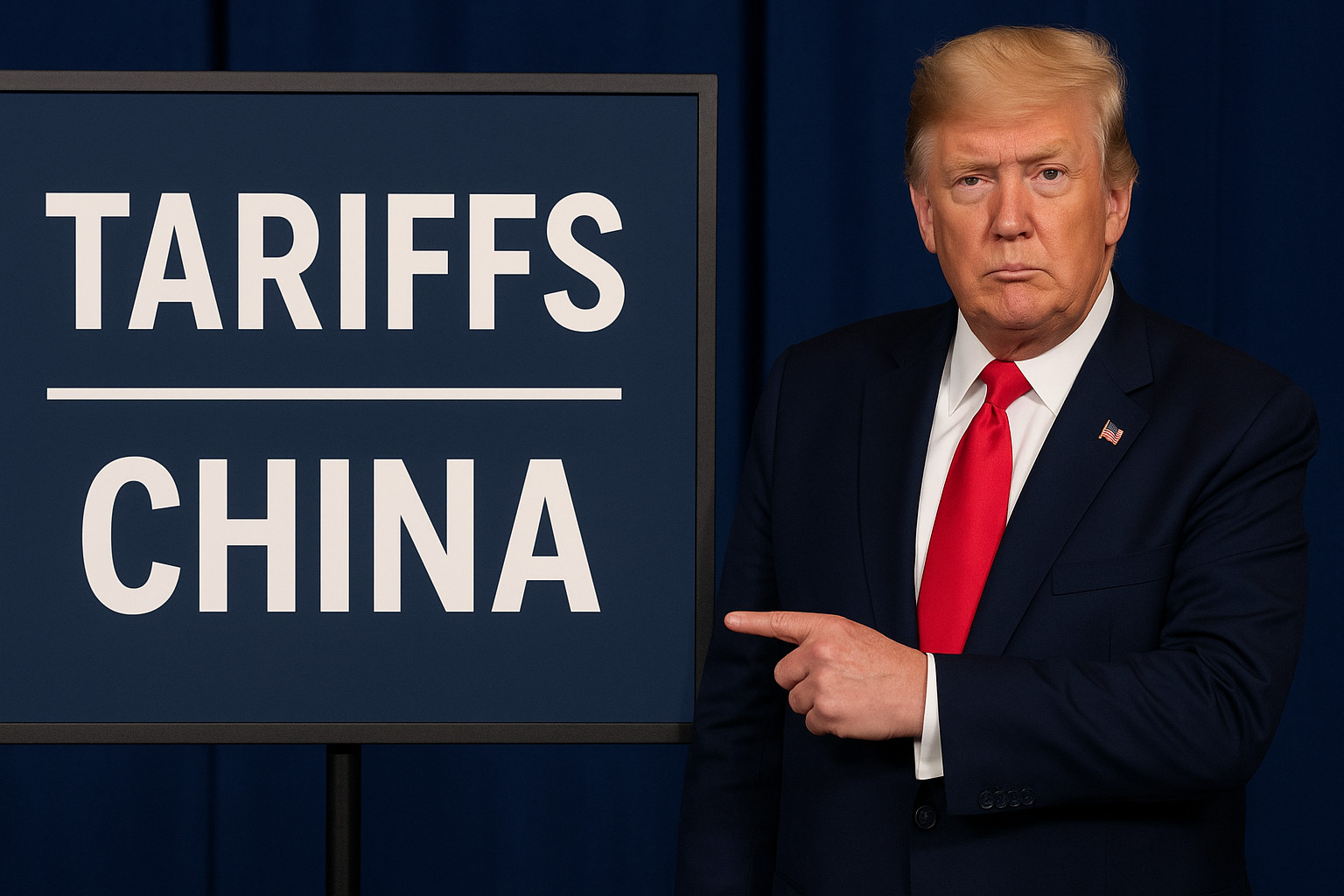
US President Donald Trump has indicated potential retaliatory tariffs on China for its Russian oil purchases, following similar actions against India. While immediate measures are not planned, Trump suggested they could be implemented in the coming weeks if the Ukraine war persists.
The Trade Winds are Shifting: Is India Next in Line for US Tariffs?
The global trade landscape is rarely still. Just when we think we’ve navigated one storm, another seems to be brewing on the horizon. This time, the wind is blowing from Washington, with whispers of potential tariffs targeting countries perceived to be circumventing sanctions on Russian oil. After China, could India be next in the crosshairs?
Donald Trump, never one to shy away from trade tactics, recently suggested that nations continuing to purchase Russian oil, despite Western sanctions aimed at crippling Moscow’s war chest, might face secondary tariffs from the US. He specifically mentioned that these could be implemented in “two or three weeks.” While China has already been singled out, the real question swirling around trade circles is: will India also face similar measures?
India’s Balancing Act: Energy Security and International Relations
India finds itself in a delicate position. As one of the world’s fastest-growing economies, its energy needs are significant. The nation relies heavily on imports to meet its demand, and Russian oil has, in the past, offered a comparatively affordable alternative, especially amidst fluctuating global prices.
For India, securing affordable energy is a matter of national importance. However, this reliance puts them at odds with the US and its allies who are striving to isolate Russia economically. India’s diplomatic stance has been one of neutrality, emphasizing dialogue and a peaceful resolution to the conflict in Ukraine, while simultaneously pursuing its own economic interests. It’s a complex equation to balance, and one that attracts intense scrutiny.

The Specter of Secondary Tariffs: What’s at Stake?
The potential imposition of secondary tariffs is no small matter. These aren’t tariffs imposed directly on Russia, but on countries that are deemed to be helping Russia evade the economic pressure imposed by primary sanctions. For India, such tariffs could have a cascading effect.
Increased import costs would likely translate to higher prices for consumers and businesses alike, potentially dampening economic growth. Key sectors reliant on imports, such as manufacturing and technology, could face significant disruptions. Moreover, the move could strain the important bilateral relationship between the US and India, potentially impacting cooperation on other strategic fronts.

The US is a critical trade partner for India, and any disruption to this relationship would be felt acutely. The prospect of secondary tariffs adds another layer of uncertainty to an already volatile global economic climate.
Navigating the Uncertainty: What Could India Do?
So, what options does India have? One approach is proactive diplomacy. Engaging in open and transparent dialogue with the US, clarifying the rationale behind its energy procurement policies, and emphasizing its commitment to long-term peace and stability, is crucial. India could also explore alternative energy sources and diversify its supply chain, gradually reducing its dependence on Russian oil.

Additionally, India might need to reassess its trade strategies, potentially strengthening ties with other economic partners and exploring alternative trade routes. This isn’t about choosing sides, but about ensuring economic resilience and mitigating potential risks. See how diversifying trade relationships helped other nations navigate economic uncertainty.
Ultimately, the future hinges on a complex interplay of geopolitics, economics, and diplomacy. While the threat of US tariffs looms large, India possesses the diplomatic and economic leverage to navigate these choppy waters. The coming weeks will be crucial in determining the direction of the trade winds and the impact on India’s economic trajectory.
The Road Ahead: A Test of Resilience and Diplomacy
The possibility of secondary tariffs serves as a stark reminder of the interconnectedness of the global economy and the far-reaching consequences of geopolitical tensions. For India, it’s a pivotal moment, demanding a measured and strategic response that safeguards its economic interests while upholding its commitment to international cooperation. Whether India can successfully navigate this challenge will depend on its resilience, its diplomatic acumen, and its ability to adapt to a rapidly changing world.