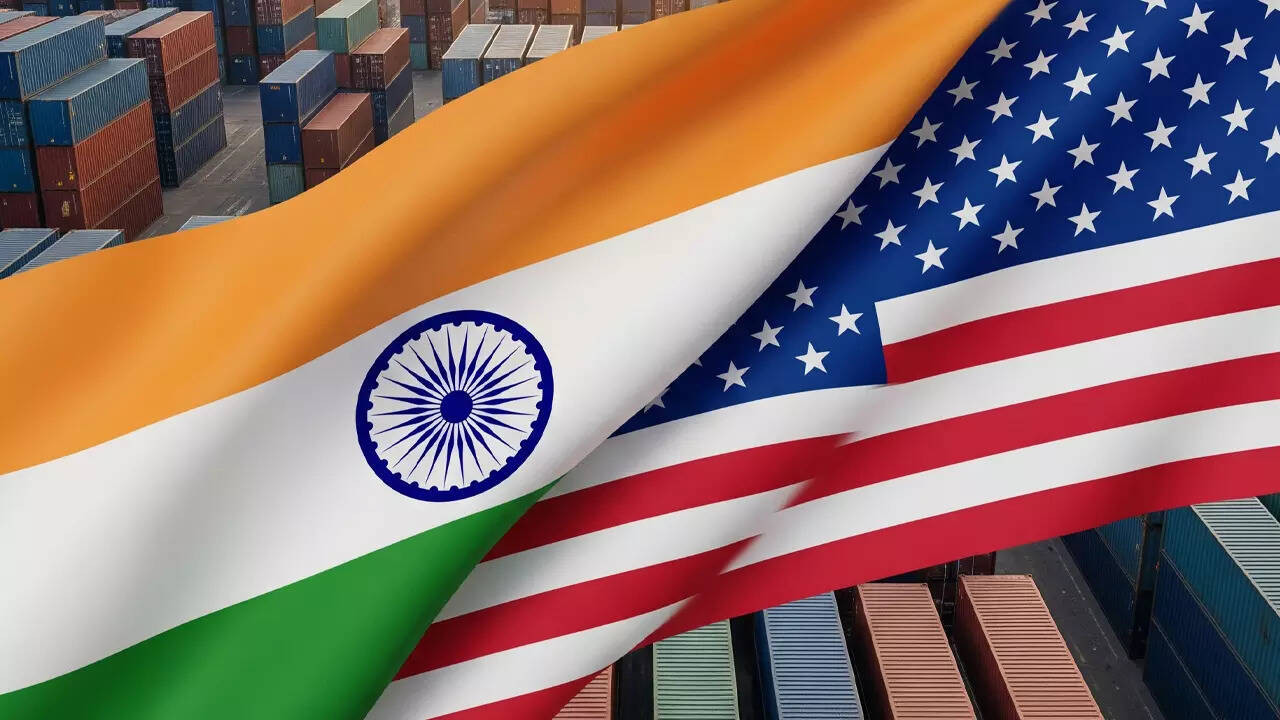
Uday Kotak is urging the Modi administration to increase fiscal support for SMEs due to concerns about the impact of US tariffs on India’s economy. He emphasizes the need for direct government assistance to boost manufacturing, research, and technology sectors.
India’s Manufacturing Moment: Has Trump’s Trade War Sparked a Revolution?
Remember the days when “Made in China” was practically synonymous with “global manufacturing”? That landscape might be shifting, and a somewhat unlikely catalyst – Donald Trump’s tariffs – could be playing a crucial role.
Uday Kotak, the veteran Indian banker and billionaire, believes that the trade tensions initiated by the former US President have acted as a wake-up call for Indian industry. The disruption to established supply chains, the price hikes, and the overall uncertainty have forced Indian businesses to seriously re-evaluate their capabilities and potential.
The question is, can India seize this unique opportunity and transform itself into a true manufacturing powerhouse?
A Call for Government Support to Boost Indian Manufacturing
Kotak isn’t just observing from the sidelines. He’s actively urging the Indian government to provide the necessary support to fuel this potential manufacturing boom. This isn’t about handouts; it’s about creating an environment where Indian companies can thrive, compete, and innovate on a global scale.
Think about it: India possesses a vast and relatively young workforce, a growing domestic market hungry for goods, and a burgeoning tech sector that can drive automation and efficiency. What’s been missing, perhaps, is the urgency and focused investment to unlock this potential.

Kotak emphasizes the need for the government to streamline regulations, reduce bureaucratic hurdles, and invest in infrastructure – things like improved port facilities, faster transportation networks, and reliable energy supplies. These are the building blocks that will allow Indian manufacturers to compete effectively with established players.
Shifting Supply Chains: A Once-in-a-Generation Opportunity
The disruption caused by the US-China trade war extends beyond tariffs. Geopolitical tensions, rising labor costs in China, and a growing desire for supply chain diversification are all contributing to a fundamental shift in global manufacturing.
This presents India with a once-in-a-generation opportunity to attract foreign investment, build new factories, and create millions of jobs. We’re talking about everything from electronics and automobiles to textiles and pharmaceuticals. The possibilities are immense. The key to unlocking this potential relies on developing a robust and competitive Indian manufacturing sector.
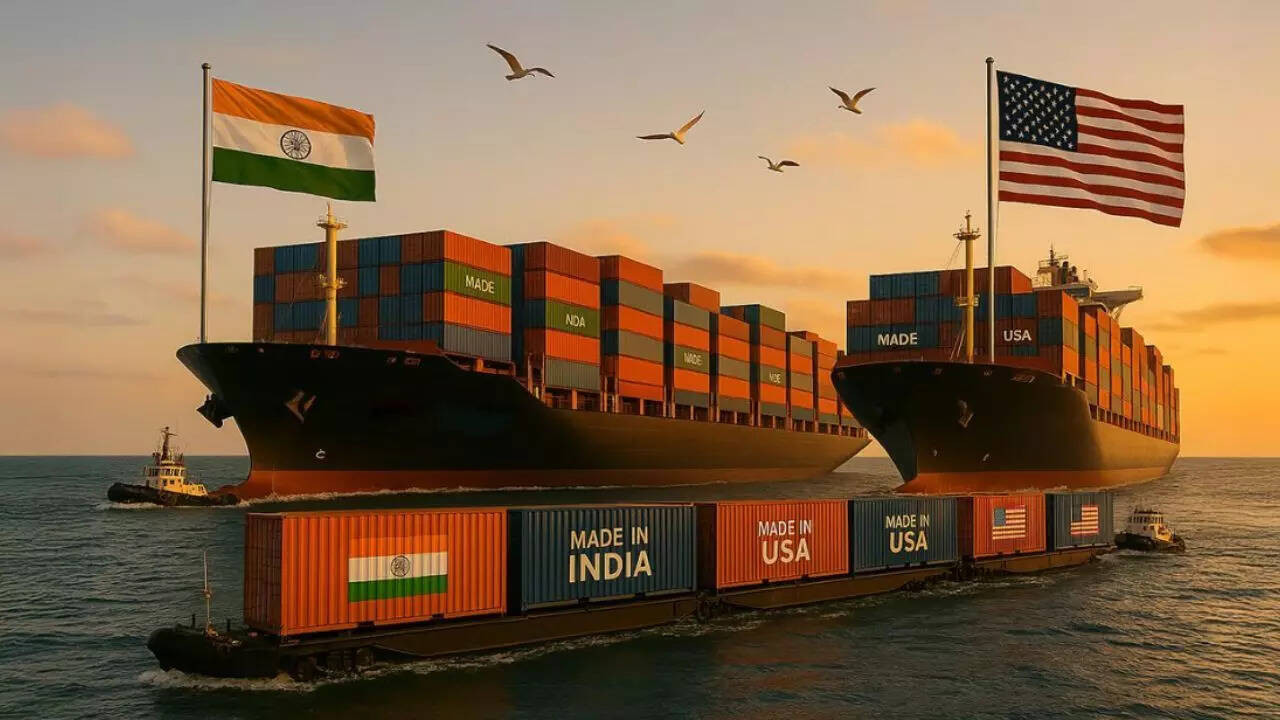
Imagine an India where smartphones are assembled, cars are built, and medicines are formulated, all under the “Made in India” banner and exported globally. This isn’t just about national pride; it’s about economic prosperity and securing India’s place on the world stage.

Beyond Policy: A Change in Mindset for Growth
However, government support is only one piece of the puzzle. A fundamental change in mindset is also needed. Indian businesses must be willing to invest in research and development, embrace new technologies, and prioritize quality and efficiency.

This requires a long-term vision and a willingness to take calculated risks. It also requires a collaborative approach, with government, industry, and academia working together to develop innovative solutions and train the workforce of the future.
Click here to read more about how the Indian tech sector is driving innovation.
Can India Deliver? The Path Ahead for Indian Manufacturing
The challenges are significant, but the potential rewards are even greater. India has the opportunity to transform itself into a global manufacturing hub, creating jobs, driving economic growth, and improving the lives of millions of people.
Whether this vision becomes a reality depends on the collective efforts of the government, businesses, and individuals. It requires a bold vision, strategic investments, and a relentless focus on execution.
The tariffs may have been the initial spark, but it’s the fire in the belly of Indian entrepreneurs and policymakers that will ultimately determine the outcome. Are we ready to seize this manufacturing moment? The next few years will be crucial in determining whether India truly becomes a manufacturing powerhouse. The stage is set, and the players are ready. Now, it’s time to see if India can deliver on its immense potential.