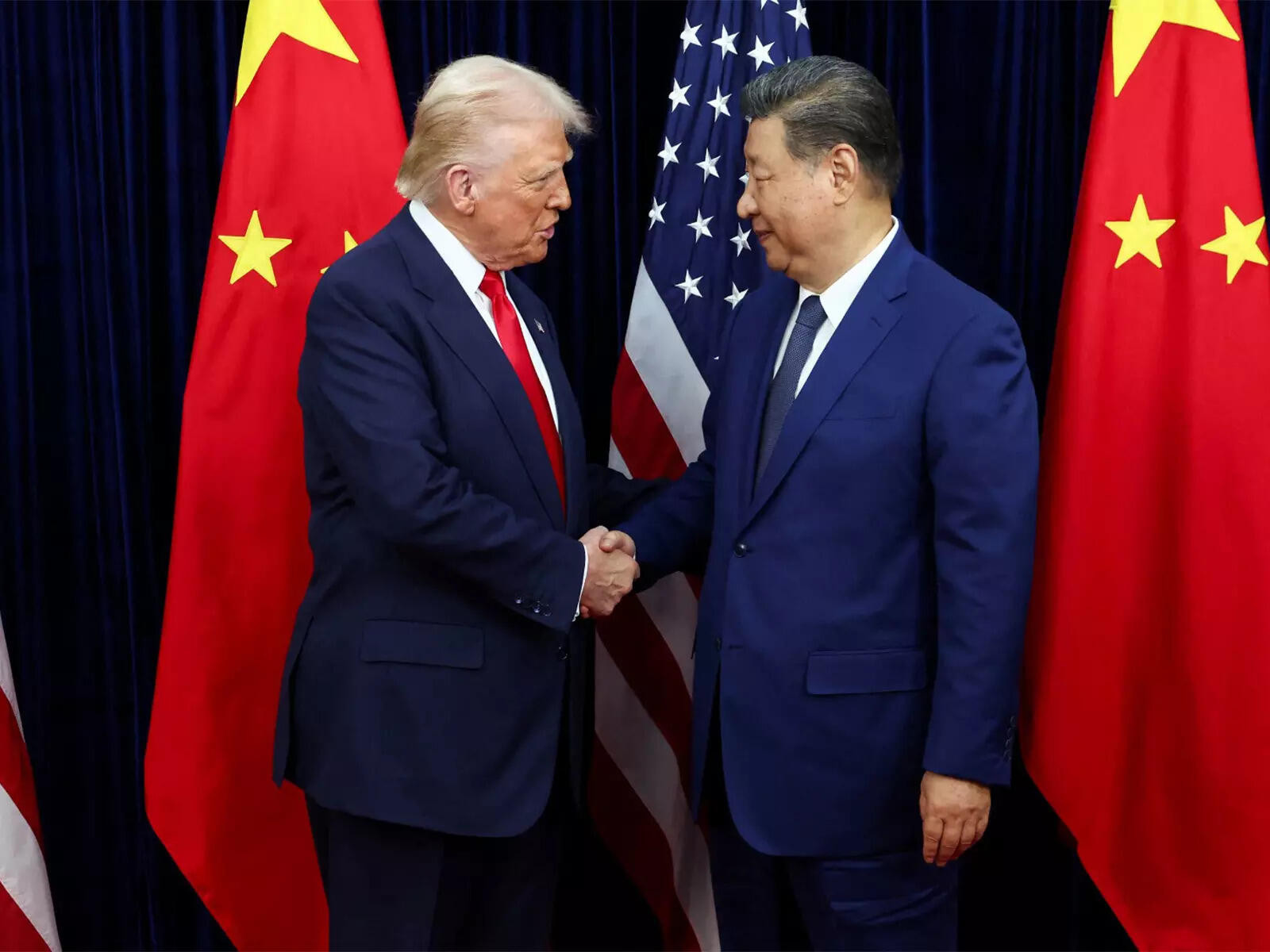
Following a successful summit, the US and China are easing trade tensions. Beijing has lifted export bans on key materials and suspended special port fees for US vessels, while Washington has reduced fentanyl-related duties and paused port charges on Chinese ships. These reciprocal steps signal a de-escalation after months of escalating tariffs.
Smoother Seas Ahead? China Eases Port Fees on US Ships
The world of international trade can often feel like a turbulent ocean, full of shifting currents and unexpected squalls. For businesses navigating the choppy waters between the United States and China, any sign of calmer seas is welcome news. And that’s precisely what we’re seeing now, with China’s recent decision to waive specific port fees for U.S.-flagged vessels for a year.
But what exactly does this mean, and why should businesses pay attention?
The move, announced quietly but carrying significant weight, involves the elimination of certain harbor dues levied on American ships calling at Chinese ports. While the exact financial impact per vessel will vary depending on size and cargo, the cumulative effect promises to ease some of the cost burden faced by shipping companies engaged in US-China trade. Think of it as a small discount, a subtle shift that collectively makes a noticeable difference in the overall economics of moving goods across the Pacific.
For years, trade relations between the two economic giants have been, let’s just say, complex. Tariffs, accusations of unfair trade practices, and geopolitical tensions have all contributed to an atmosphere of uncertainty. These tensions inevitably ripple down to businesses, impacting supply chains, increasing costs, and forcing companies to reassess their strategies.
So, why this olive branch now? The motivations behind China’s decision are likely multifaceted. For one, it could be interpreted as a gesture of goodwill, a signal that Beijing is open to dialogue and de-escalation. Given the ongoing trade friction, any steps towards smoother relations, however small, are significant.

Moreover, this waiver could be a pragmatic move to bolster China’s own economic interests. Reducing fees for U.S. ships may incentivize greater trade volume, ultimately benefiting Chinese port operators and related industries. Remember, trade is a two-way street, and a more efficient flow of goods benefits both sides.
But let’s not get ahead of ourselves. This single action doesn’t magically erase the underlying tensions. Issues related to intellectual property, market access, and technology transfer remain unresolved. It’s a step, perhaps a carefully calibrated one, rather than a complete overhaul of the relationship. It is one part of a larger story.
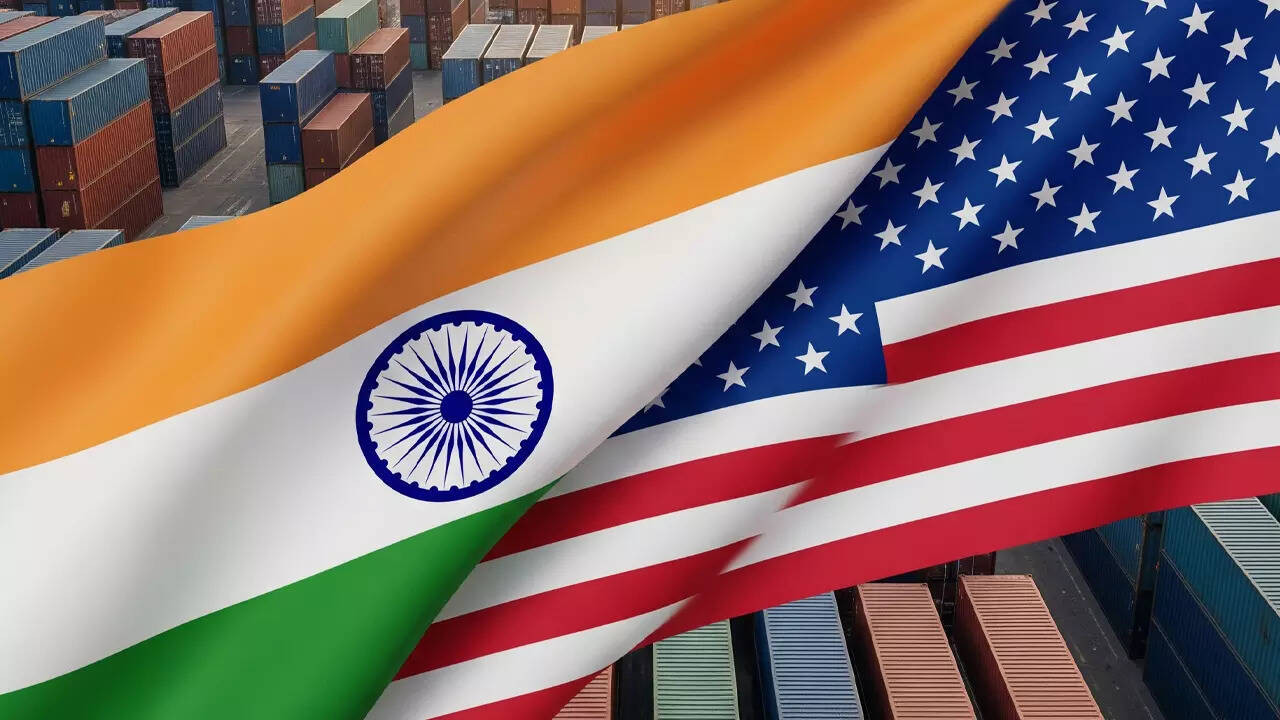
<img src="image-of-container-ship-at-port.jpg" alt="A large container ship being loaded at a Chinese port, showcasing the importance of US-China trade.”/>
What are the Potential Benefits of Waived Port Fees?
The immediate benefit is clear: reduced operating costs for shipping companies involved in US-China trade. These cost savings could, in turn, be passed on to consumers in the form of slightly lower prices on imported goods. We might see increased competitiveness for certain US exporters, making their products more attractive to Chinese buyers. Also, reduced financial pressure on shipping lines could translate to greater capacity, potentially easing congestion at ports and improving the efficiency of supply chains.
Navigating the Future of US-China Trade

The move to ease port fees is a welcome sign, it is important to stay agile and informed. Businesses need to monitor developments closely, diversify their supply chains where possible, and build strong relationships with trading partners on both sides of the Pacific. Understanding the nuances of each country’s regulations and policies is also paramount.
To get a deeper understanding of how tariffs can affect your business, check out our article about [Understanding Import Tariffs and Their Impact](insert internal link here).
The seas between the US and China may not be entirely calm just yet, but China’s recent decision offers a glimmer of hope. It’s a reminder that even in the face of complex geopolitical challenges, opportunities for cooperation and mutual benefit can still emerge. Whether this is a genuine turning point or a temporary respite remains to be seen, but for now, businesses can breathe a collective sigh of relief and prepare for the possibility of smoother sailing ahead. The US-China trade landscape continues to evolve, and this latest development emphasizes the importance of adaptability and strategic planning in navigating the global marketplace.