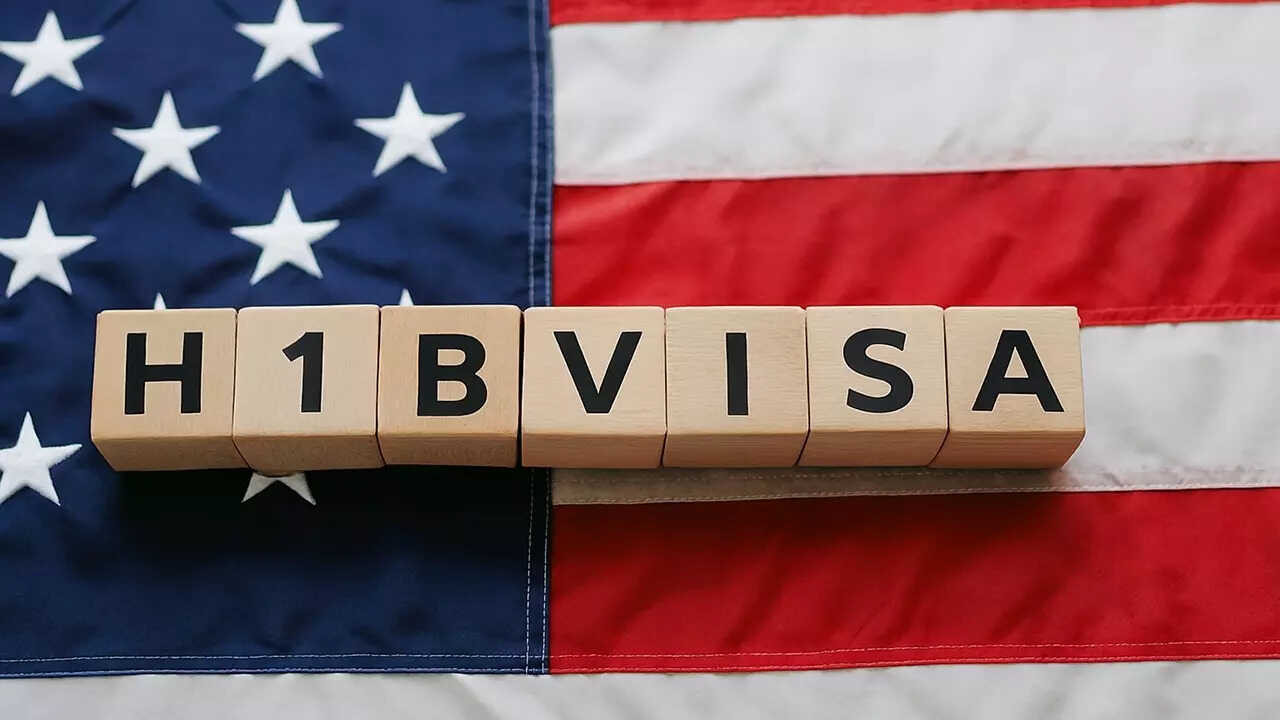
The Indian IT sector breathed a sigh of relief after the White House clarified that the proposed $100,000 H-1B visa fee applies only to new applicants, not existing holders, and is a one-time charge. Extensive engagement by the External Affairs Ministry with the Trump administration led to this clarification.
The H-1B Visa Fee Uproar: How India Navigated a Potential Economic Minefield
The story unfolding around the H-1B visa program recently felt a bit like a high-stakes drama, complete with tense negotiations and a race against the clock. It all centered around a proposed hike in one-time fees, a move that threatened to significantly impact Indian tech companies operating in the United States. But here’s the good news: thanks to swift and strategic action, a potentially damaging situation has been averted. Let’s delve into how India managed to secure a crucial clarification from the US administration, offering significant relief to its tech sector.
Understanding the Initial H-1B Visa Fee Scare
The initial proposal sent ripples of concern throughout the Indian IT industry. The US government was considering a substantial increase in the one-time fees associated with the H-1B visa, a vital tool for companies seeking specialized talent from abroad. These visas are crucial for Indian firms providing IT services in the US, allowing them to bring skilled professionals to American soil. The proposed fee hike would have added a considerable financial burden, potentially impacting profitability and competitiveness.

The impact wasn’t limited to just the companies themselves. A higher cost of doing business could have led to reduced hiring, slower growth, and ultimately, a less competitive Indian IT sector on the global stage. It’s a situation no one wanted.

India’s Diplomatic Blitz: A Weekend of High-Level Engagement
Recognizing the gravity of the situation, India’s Ministry of External Affairs (MEA) sprang into action. Diplomats worked tirelessly, engaging with the then-Trump administration over a crucial weekend. This wasn’t simply a formal exchange of letters; it was a concerted effort to explain the potential ramifications of the proposed fee hike and to advocate for a more equitable solution.
The MEA team understood the importance of clear and persuasive communication. They presented data, outlined the economic benefits that Indian IT companies bring to the US economy, and highlighted the potential for unintended consequences if the fee hike went through. This wasn’t just about protecting Indian interests; it was about demonstrating how a stable and thriving Indian IT sector benefits the US as well.
The Crucial Clarification: A Win for Strategic Diplomacy
The efforts paid off. The US administration issued a clarification that effectively mitigated the threat of the fee hike. While the exact details of the negotiation remain somewhat behind closed doors, the outcome was a clear victory for India’s diplomatic efforts. This successful resolution demonstrated the power of proactive engagement and a deep understanding of the complex dynamics at play.
Why the H-1B Visa Matters: A Cornerstone of the Tech Partnership

The H-1B visa program isn’t just about numbers and fees; it represents a vital link in the technological partnership between India and the United States. It facilitates the exchange of talent, fosters innovation, and contributes to economic growth in both countries. Indian IT professionals bring specialized skills and expertise to the US, filling critical gaps in the workforce and helping American companies stay competitive.
This program also supports innovation. The influx of skilled workers allows US companies to pursue new ventures and develop cutting-edge technologies, benefiting the economy as a whole. The H-1B visa program, therefore, is more than just a visa program; it’s an essential element of a strong and mutually beneficial relationship.
Looking Ahead: Maintaining Open Lines of Communication
The successful resolution of this H-1B visa fee issue underscores the importance of consistent communication and collaboration between India and the United States. As the global landscape continues to evolve, maintaining open lines of dialogue will be crucial for addressing future challenges and ensuring that the tech partnership remains strong and vibrant. This episode serves as a testament to the power of diplomacy and the importance of proactive engagement in navigating complex international issues, particularly those that impact critical sectors like technology.