The Shutdown’s Shadow: Is the US Economy Reaching a Breaking Point?
The tension is palpable. You can practically feel it in the air, hanging heavy over Washington and Main Street alike. It’s the kind of unease that comes when a foundational structure starts to creak, when the underpinnings of our economic stability begin to show signs of strain. And right now, that strain is undeniably linked to the ongoing government shutdown.
While political squabbles often feel distant, abstract battles fought in faraway halls, the reality of a government shutdown is anything but. It’s a real-world event with cascading consequences, touching everything from air travel to small business loans. We’re past the point of minor inconveniences; we’re wading into territory that could have lasting repercussions on the US economy.
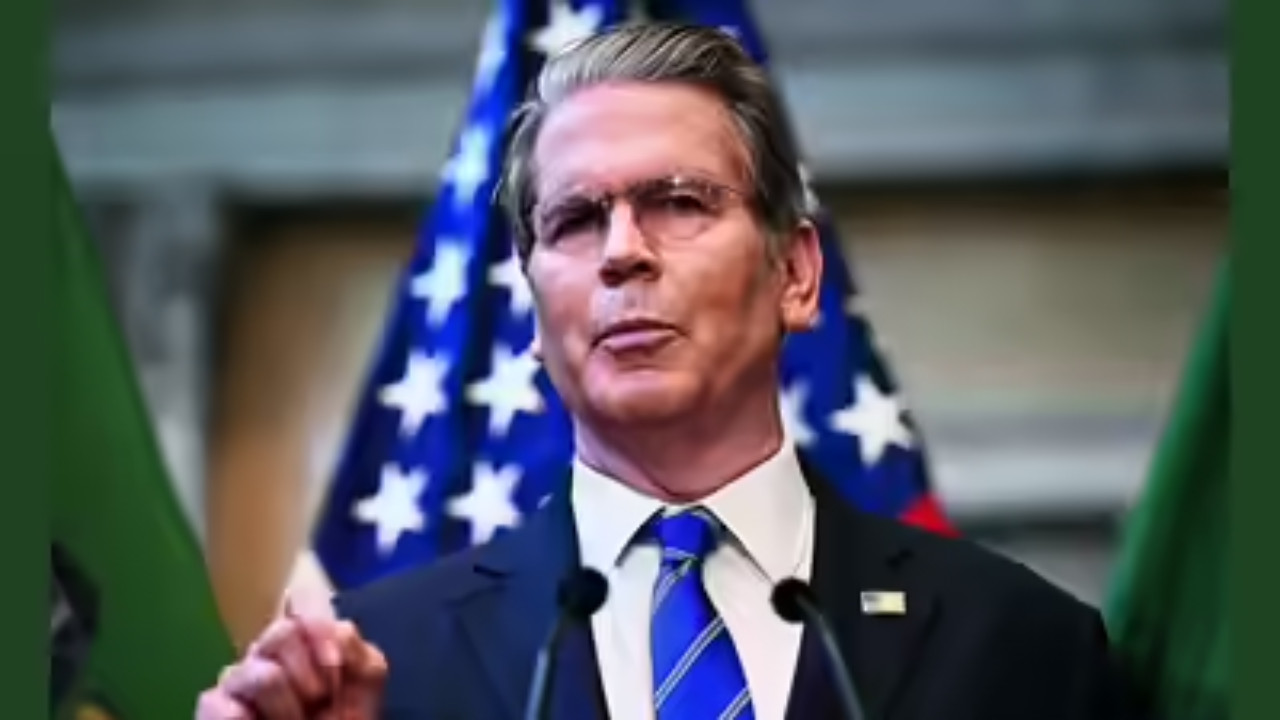
Scott Bessent, former Treasury Secretary under the Trump administration, recently painted a rather stark picture of the current situation. He isn’t just waving a cautionary flag; he’s sounding the alarm, suggesting the shutdown’s impact is not only worsening but also threatening to trigger a deeper economic downturn. It’s a far cry from the usual political rhetoric we’ve become accustomed to.
So, what exactly is Bessent worried about? And what are the specific cracks forming in the economic facade?
The Shutdown’s Ripple Effect: More Than Just Closed Parks
It’s easy to think of a government shutdown as merely a temporary inconvenience. Closed national parks? Annoying, sure. Delays in processing passport applications? Frustrating, definitely. But the real danger lies in the cumulative impact, the interconnectedness of the economic web.
Bessent highlighted the increasing strain on various sectors. Crucially, the shutdown impacts government services that businesses rely on. For example, delays in loan approvals from the Small Business Administration (SBA) can be a death knell for startups and small enterprises. These are the engines of job creation and innovation, and starving them of capital can stunt their growth and even force them to close their doors. The longer the shutdown drags on, the more acute this problem becomes.

Furthermore, the shutdown casts a shadow of uncertainty over the entire economic landscape. Businesses become hesitant to invest, consumers become wary of spending, and overall confidence plummets. This hesitancy, fueled by a lack of clarity and predictability, can quickly translate into a slowdown in economic activity.

Is a Deeper Economic Downturn Looming? The View on the US Economy
Bessent’s most concerning statement revolves around the potential for a deeper economic downturn. He argues that the shutdown is exacerbating existing vulnerabilities in the US economy, pushing it closer to the edge.
One of the key vulnerabilities is the level of government debt. The shutdown only adds to this, as it disrupts revenue collection and forces the government to delay payments. This can further erode investor confidence and potentially lead to higher borrowing costs down the line.
Another factor to consider is the global economic climate. The world economy is already facing a number of challenges, including trade tensions and slowing growth in key regions. A prolonged government shutdown in the US could act as a tipping point, triggering a wider global downturn.
Beyond the Headlines: Who Really Bears the Brunt?
While macroeconomic indicators offer a broad overview, it’s crucial to remember the human element. The shutdown’s impact is felt most acutely by federal employees who are furloughed or working without pay. It also affects the countless contractors who rely on government contracts for their livelihoods. These individuals and families face immediate financial hardship, struggling to pay bills, make rent, and put food on the table.

The shutdown also impacts communities that rely heavily on tourism related to national parks and federal lands. With parks closed, businesses in these areas suffer, leading to job losses and economic hardship. The consequences are very real for the people impacted.
It’s not simply about abstract economic models; it’s about real people facing real challenges. Understanding this human dimension is crucial for appreciating the true cost of a government shutdown. Read more about ways to support small businesses during economic hardship on our [economic resilience](internal-link-example.com) page.
Navigating the Uncertainty: What Happens Next?
The path forward remains uncertain. Resolving the shutdown requires political will and compromise, something that seems increasingly elusive in the current climate. However, the longer the stalemate continues, the greater the risk of lasting damage to the US economy. The potential implications for the housing market, consumer spending, and business investment are significant and could reverberate for years to come.
Whether Bessent’s grim predictions materialize remains to be seen. One thing is clear: the government shutdown is more than just a political inconvenience. It’s a serious threat to the US economy, with the potential to trigger a deeper downturn and inflict real hardship on millions of Americans. Keeping a close eye on the indicators and understanding the human costs are key to navigating this turbulent period.