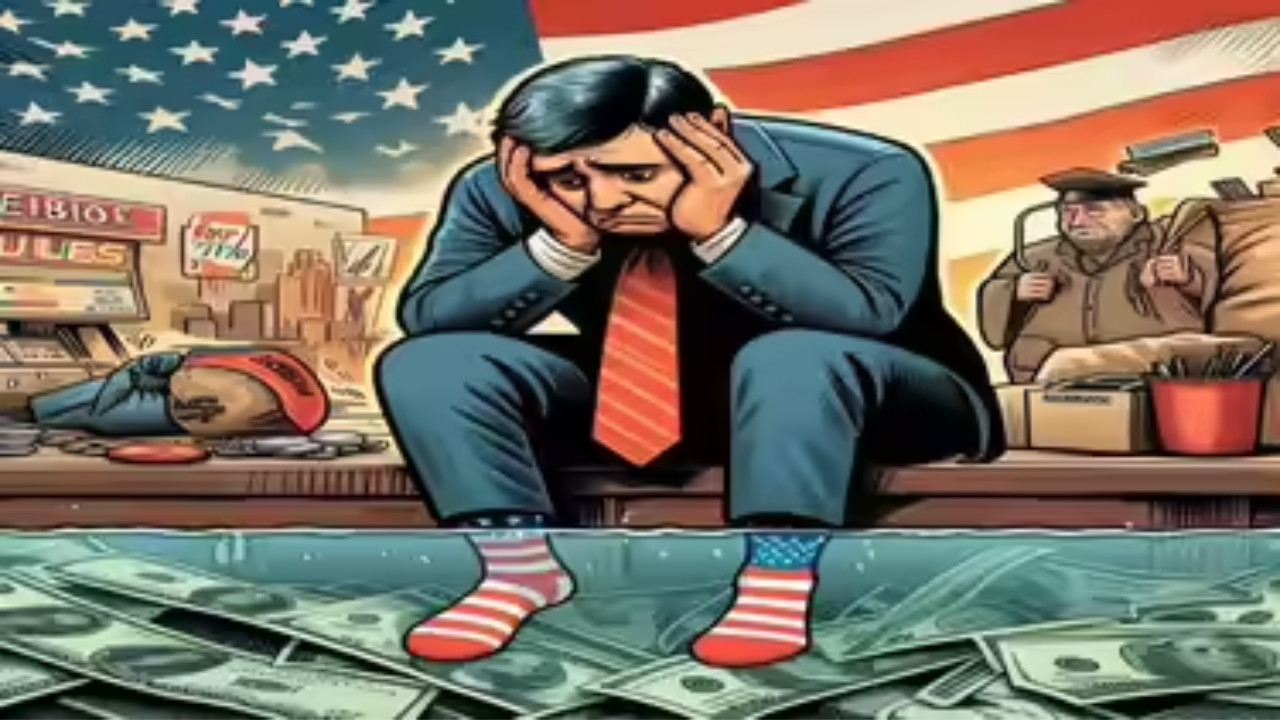
US consumer confidence plummeted in September to its lowest since April, driven by deepening concerns over rising inflation and a weakening job market. Inflation, now the top concern, increased in August, while job growth slowed significantly, with the unemployment rate hitting 4.3%. This decline underscores household challenges and may impact future Fed interest rate decisions.
Navigating Shifting Sands: What’s Behind the Dip in Consumer Confidence?
The American economic landscape feels a little less certain these days, doesn’t it? That familiar buzz of optimism seems to have quieted, replaced by a cautious hum. The latest data reveals a slip in consumer confidence during September, prompting many to ask: what’s going on?
It appears several factors are converging to create this atmosphere of uncertainty. Let’s unpack them.
The Inflationary Tightrope Walk
Inflation, that persistent pocketbook pest, is still casting a long shadow. While we’ve seen some easing from the peak highs of the past year, the lingering impact of higher prices continues to weigh on household budgets. Groceries, gas, and everyday essentials still demand a larger slice of the pie, leaving less room for discretionary spending. This pressure naturally translates into a more conservative outlook, as consumers prioritize needs over wants and brace for potential future shocks.


The Federal Reserve’s ongoing battle against inflation, primarily through interest rate hikes, adds another layer of complexity. Higher borrowing costs can dampen enthusiasm for big-ticket purchases like homes and cars, further contributing to the slowdown in spending. It’s a delicate balancing act: taming inflation without triggering a recession.
The Job Market: Cracks Beneath the Surface?
While the unemployment rate remains historically low, a closer look reveals some potential vulnerabilities. The pace of job growth appears to be cooling, and initial jobless claims have edged up slightly in recent weeks. This suggests that the labor market, while still robust, might be losing some of its momentum.
Perhaps the biggest challenge lies in the perceived security – or lack thereof – within certain sectors. Layoff announcements, particularly in the tech industry, have become increasingly common, feeding anxieties about job stability. Even if the overall numbers look good, these high-profile cuts can have a chilling effect on consumer sentiment, particularly among those who work in related fields or fear broader economic repercussions.
A Look at the Road Ahead for Consumer Confidence
So, what does this all mean for the future? Predicting the exact trajectory of the economy is always a tricky business, but understanding the underlying forces at play provides valuable context.
One thing is clear: the near-term outlook for consumer confidence hinges on managing inflation effectively. Sustained progress in bringing prices under control will be crucial to easing household budget pressures and restoring a sense of financial well-being.

The labor market will also be a key indicator. Continued job creation and stable unemployment rates will help to shore up consumer confidence, even if growth slows somewhat. Conversely, a significant uptick in layoffs or a rise in unemployment could exacerbate anxieties and trigger a more pronounced downturn in spending.
Ultimately, the story of consumer confidence is a story of perception. It’s about how people feel about their financial situations and the broader economic outlook. And those feelings, as we’ve seen, are shaped by a complex interplay of factors, from inflation and job security to global events and even political uncertainty.
Want to dig deeper into factors influencing financial well-being? Check out our article on [investing strategies for navigating economic uncertainty](internal-link-to-related-article).
Conclusion: Navigating Uncertainty with Informed Decisions
Consumer confidence is a vital sign of economic health, offering valuable insights into the prevailing mood and future spending patterns. The recent dip serves as a reminder that the economic recovery is ongoing, not a done deal. It underscores the importance of paying close attention to key indicators like inflation and employment and making informed decisions to protect our financial well-being in an ever-evolving landscape.