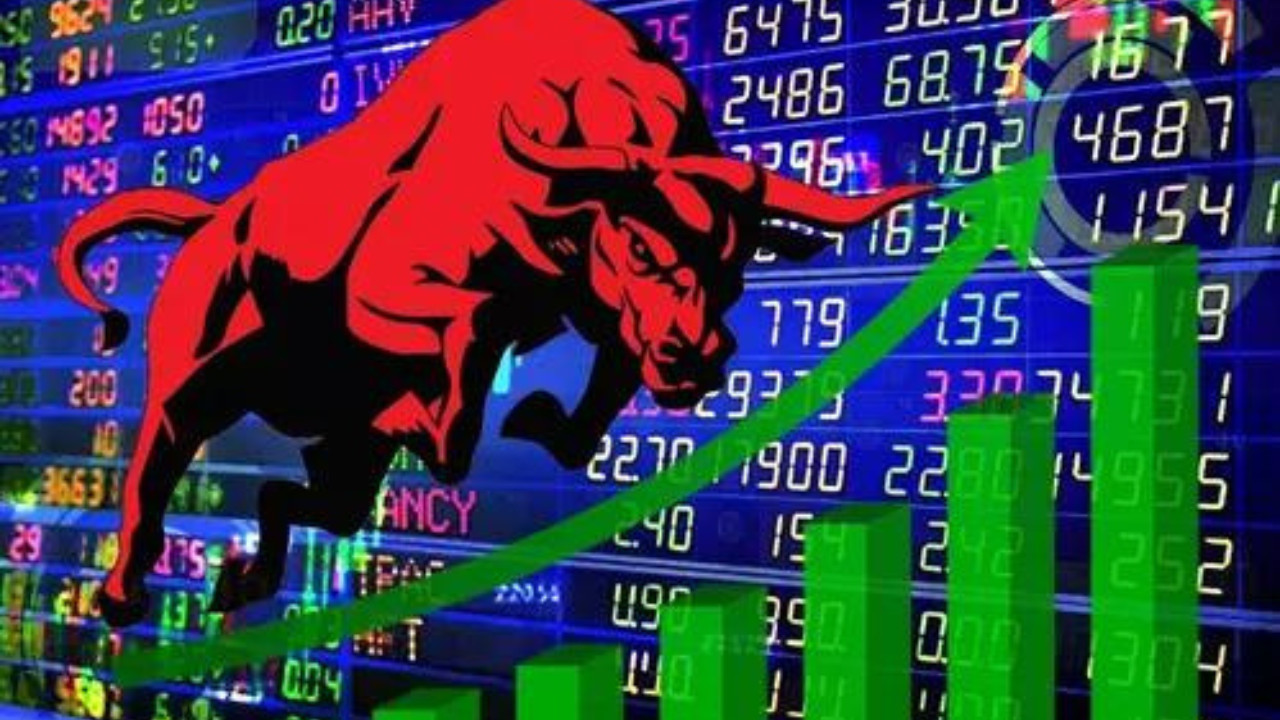
Wall Street faced a downturn on Thursday, potentially ending a record-high streak, as strong economic data tempered expectations for Federal Reserve interest rate cuts. The S&P 500, Dow, and Nasdaq all declined. CarMax shares plummeted after disappointing earnings. Big Tech stocks like Nvidia and Alphabet also fell, reflecting investor caution.
Decoding the Wall Street Wobble: Is This More Than Just a Tech Hiccup?
Wall Street just wrapped up its third consecutive day of losses, leaving investors with a knot in their stomachs. It feels a bit like the air’s gone out of the balloon, especially after such a buoyant start to the year. But what’s really driving this dip? Is it a temporary stumble, or a sign of something bigger brewing beneath the surface?
The tech sector is certainly feeling the heat, acting as a major drag on the overall market. Those high-flying tech stocks that led the charge earlier this year are now struggling to maintain altitude. But tech’s woes are only part of the story. There’s a more complex interplay of factors at play, pushing and pulling at market sentiment.
One of the key elements is the unexpected resilience of the economy. Remember all the talk of a looming recession? Well, it seems the economy had other plans. Recent growth figures have surprised on the upside, suggesting a stronger-than-anticipated pulse. This, in turn, is impacting bond yields, which have been creeping higher.
Why are rising bond yields significant? Because they make borrowing more expensive for companies, potentially dampening future earnings. Higher yields also make bonds a more attractive investment relative to stocks, particularly those in the tech sector, which are often valued based on future growth projections. When the ‘safe’ bet starts looking more appealing, some investors naturally rotate out of riskier assets.
This rotation isn’t just about numbers; it’s about shifting perspectives. The narrative is evolving from “impending doom” to “cautious optimism,” and the market is recalibrating accordingly. It’s like a game of musical chairs, with investors scrambling to find the most comfortable seat as the music (economic data) changes tempo.

Adding another layer of complexity is the ever-watchful eye of the Federal Reserve. The Fed’s decisions on interest rates have a huge impact on the markets, and the recent economic surprises have fueled speculation about whether the central bank will need to maintain its hawkish stance for longer than initially anticipated. The higher the interest rates, the more challenges for market.

US Market Today: More Than Meets the Eye
So, what does all this mean for the average investor? Should you be panicking and selling everything? Probably not. Market corrections are a normal part of the economic cycle. Volatility is the price we pay for admission to the potential rewards of the stock market.
The important thing is to stay informed, understand your risk tolerance, and resist the urge to make impulsive decisions based on short-term market fluctuations. Diversification remains your best friend. Spreading your investments across different asset classes can help cushion the blow when one sector takes a hit.
Navigating the Current Market Landscape

Think of it like navigating a ship through choppy waters. A skilled captain doesn’t abandon ship at the first sign of a storm; they adjust the sails, steer carefully, and stay the course. Similarly, a prudent investor assesses the situation, makes necessary adjustments to their portfolio, and maintains a long-term perspective.
While the immediate future of the market remains uncertain, one thing is clear: volatility is here to stay. The economy continues to send mixed signals, and the Fed’s next move is anyone’s guess. This environment demands a thoughtful, disciplined approach to investing.
Consider revisiting your investment strategy. Are you comfortable with your current asset allocation? Are you prepared for further market fluctuations? If not, now might be a good time to consult with a financial advisor to reassess your goals and risk tolerance. Don’t forget to check out our related article on [long-term investment strategies](internal-link-to-related-article).
In conclusion, the recent Wall Street dip is a reminder that the market is a complex and dynamic entity, influenced by a multitude of factors. While the tech sector is currently feeling the pressure, the broader economic picture is also playing a significant role. By staying informed, maintaining a long-term perspective, and diversifying your investments, you can navigate these uncertain times with greater confidence. The current market environment may present challenges, but it also offers opportunities for those who are prepared to adapt and adjust.