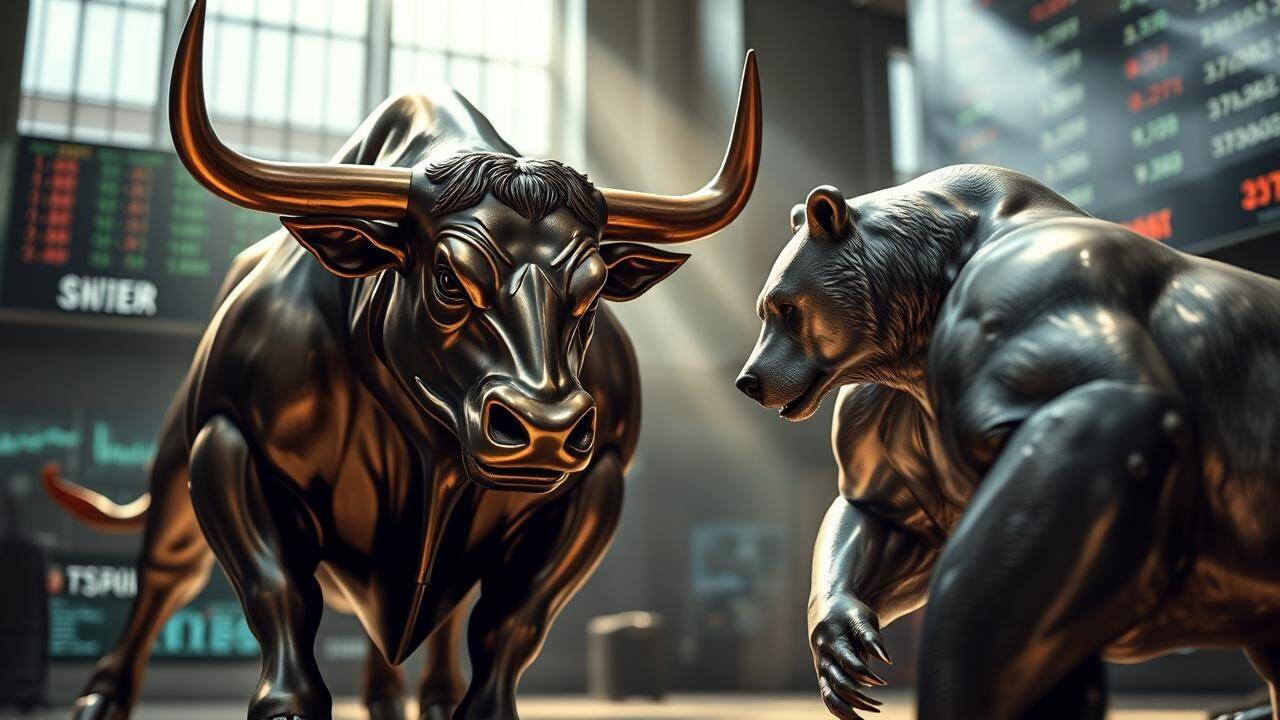
American stock markets saw slight increases on Wednesday. This happened after a strong period of growth. The S&P 500 and Nasdaq also went up a bit. Lithium Americas stock jumped high because of possible US government investment. Cintas stock went down even with good profit reports. Overseas markets showed mixed results. Bond market rates saw a small rise.
Navigating the Shifting Tides: What’s Next for Wall Street?
Wall Street recently took a breather, a moment of quiet contemplation after a period of exuberant ascent. It’s a scene reminiscent of a seasoned hiker pausing on a steep trail, catching their breath before tackling the next incline. The S&P 500 edged upwards, a subtle tremor rather than a seismic shift, suggesting a market weighing its options. But what does this pause actually signify? Is it merely a momentary lull before another surge, or a sign of more profound changes brewing beneath the surface?
The recent market activity feels like a complex dance, with various sectors performing their own unique steps. While the overall momentum has slowed, certain companies are executing pirouettes while others stumble. Lithium Americas, for instance, experienced a notable surge. This jump hints at the continued strong investor interest in the electric vehicle (EV) market and battery technology. As the world increasingly shifts towards sustainable energy solutions, companies deeply entrenched in resources like lithium are poised to capitalize on the rising demand. The performance of Lithium Americas is not just a one-off event; it reflects a larger trend of investors betting on the future of green technologies.
This makes you wonder: what’s fueling this generally positive, albeit cautious, sentiment?
Inflation, Interest Rates, and the Wall Street Equation
The answer, as it often does, lies in the intricate interplay of economic indicators. Inflation, the persistent force that shapes consumer spending and investment strategies, continues to be a central focus. The Federal Reserve’s (the Fed’s) actions, particularly its management of interest rates, casts a long shadow on market behavior.

Think of interest rates as the price of borrowing money. When rates are high, borrowing becomes more expensive, potentially slowing down economic activity. Conversely, low rates can incentivize borrowing and stimulate growth. The Fed’s decisions regarding interest rates are therefore keenly watched, as they can significantly influence corporate earnings and investor confidence.
Currently, many anticipate the Fed will cut interest rates in the latter part of the year, a prospect that has generally bolstered market optimism. However, the timing and magnitude of these potential cuts remain uncertain, creating a sense of cautious anticipation. The market seems to be saying, “We’re ready for the good news, but we’re also prepared for anything.”
The Broader Economic Landscape
Beyond inflation and interest rates, several other factors contribute to the current market climate. Earnings reports from major corporations provide crucial insights into the overall health of the economy. Strong earnings can boost investor confidence, while disappointing results can trigger sell-offs.
Geopolitical events also play a role. Global tensions and trade disputes can inject volatility into the market, creating uncertainty and impacting investment decisions. It’s a reminder that the market doesn’t exist in a vacuum; it’s intricately connected to the broader global landscape.


Sector Rotation and the Hunt for Value
In times of market uncertainty, investors often engage in what’s known as sector rotation. This involves shifting investments from one sector to another, seeking out opportunities for growth and value. The recent surge in Lithium Americas stock is one example of this, highlighting the continued investor appetite for sectors related to sustainability and green energy.
Other sectors that might attract attention include technology, healthcare, and consumer staples. Each offers its unique appeal and potential for growth, depending on prevailing economic conditions and investor sentiment.
What Does it all Mean?
So, what can we take away from this period of market pause? The most important lesson is that market behavior is rarely linear. There will be periods of rapid growth, followed by moments of consolidation and uncertainty. The key to navigating these shifts lies in staying informed, understanding the underlying economic drivers, and maintaining a long-term perspective. It’s about recognizing that investing is a marathon, not a sprint.
Consider this a chance to re-evaluate your portfolio, identify potential risks and opportunities, and ensure your investments align with your long-term goals. And while no one can predict the future with certainty, understanding the current landscape can help you make more informed decisions and navigate the ever-changing world of Wall Street. Remember to consult with a financial advisor to tailor a strategy specific to your circumstances. Understanding key market indicators is crucial, but so is understanding your own risk tolerance and financial goals. Want to learn more about long-term investing strategies? Read our guide on [building a diversified portfolio](internal-link-to-related-content).