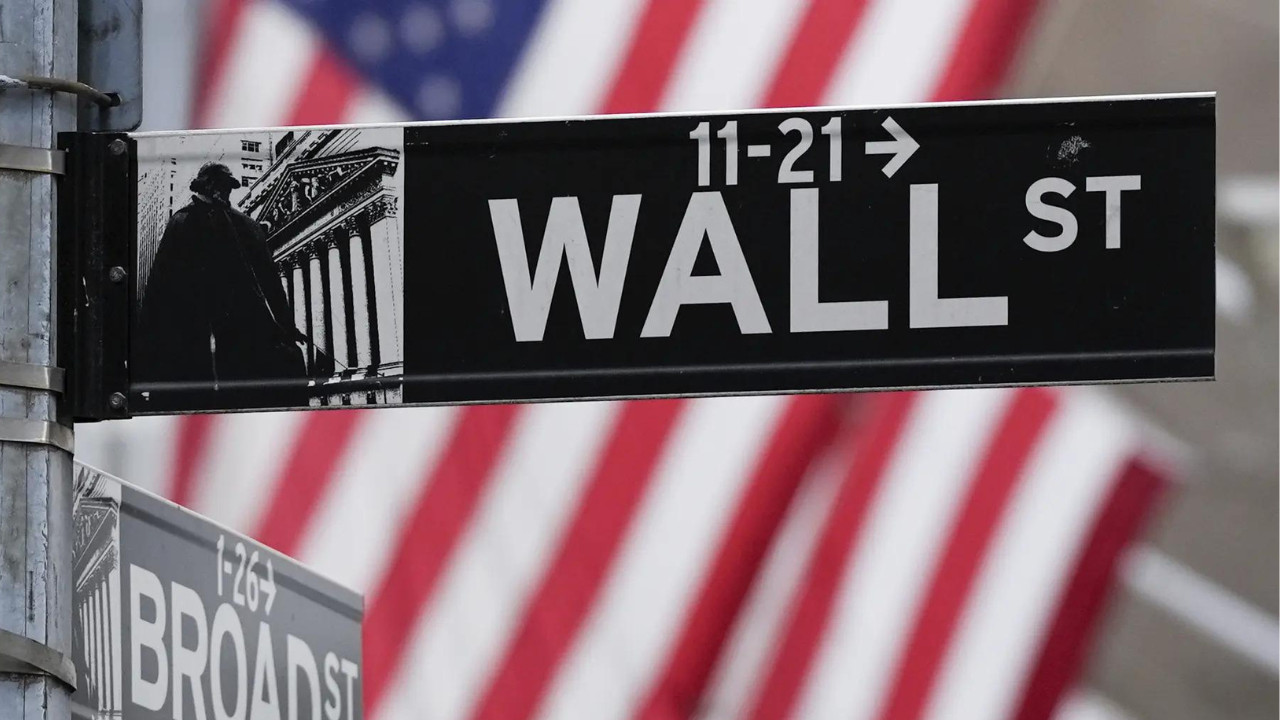
President Trump’s threat of significantly increased tariffs on China shattered Wall Street’s calm, leading to a broad market sell-off. The S&P 500 experienced its steepest loss since April, with major tech stocks and smaller firms vulnerable to trade uncertainty also declining. Concerns about overvaluation also contributed to the market’s downturn.
Navigating the Market Maze: What’s Driving Wall Street’s Current Vibe?
Wall Street’s been a bit of a rollercoaster lately, hasn’t it? One minute, we’re soaring to new heights, the next, we’re bracing for a dip. It’s enough to make your head spin faster than a day trader on caffeine. But beneath the daily ups and downs, some interesting currents are shaping the market’s overall direction.
The S&P 500 and the Dow Jones Industrial Average have been dancing near all-time highs, a testament to underlying economic strength and investor optimism. But don’t let the celebratory atmosphere fool you. There are definitely headwinds to consider, and understanding them is crucial for anyone looking to navigate the financial landscape.
Crude Oil Prices: The Gaza Ceasefire Effect
One factor impacting the market involves something seemingly unrelated: geopolitical tensions. The recent, although fragile, ceasefire discussions surrounding the Gaza conflict have had a noticeable effect on crude oil prices. The easing of immediate concerns about regional instability typically translates to a decrease in oil demand and therefore, price. We saw that play out in real time, with crude oil futures experiencing a dip as the ceasefire talks progressed. This connection highlights the intricate web linking global events and market performance. Any investor keeping a weather eye on the market needs to consider global tensions.


The Interest Rate Tightrope Walk
Interest rates, the perennial buzzkill (or boon, depending on your perspective), are also playing a significant role. The Federal Reserve’s monetary policy decisions, specifically their stance on interest rate hikes, have a profound impact on everything from borrowing costs to corporate earnings. The market is acutely sensitive to any hints from the Fed about future rate movements. This is because higher rates can cool down an overheating economy, but they can also stifle growth and put downward pressure on stock prices. Investors are carefully analyzing economic data, such as inflation reports and employment figures, to anticipate the Fed’s next move. It’s a high-stakes guessing game, and the outcome will undoubtedly shape the market’s trajectory.
Earnings Season: A Report Card for Corporate America
Beyond external factors, the performance of individual companies is always vital. We’re continuously looking at earnings season, where publicly traded companies release their quarterly financial results. These reports offer a detailed snapshot of a company’s health, revealing whether they’re meeting expectations, exceeding them, or falling short. Strong earnings typically boost investor confidence, driving stock prices higher. Conversely, disappointing results can trigger sell-offs. In this market environment, the ability to pick stocks with staying power is as important as ever.
Consumer Spending: Keeping the Engine Running
Consumer spending, the lifeblood of the American economy, is another key indicator. If consumers are feeling confident and are willing to open their wallets, businesses thrive, and the economy grows. However, if consumers become cautious and cut back on spending, it can signal a slowdown. Factors like inflation, unemployment, and wage growth all influence consumer sentiment and spending habits. Monitoring retail sales data and consumer confidence surveys can provide valuable insights into the overall health of the economy and the direction of the market.

Navigating Uncertainty: A Thoughtful Approach
So, what does all this mean for investors? It means that navigating the current market requires a thoughtful and balanced approach. It’s not a time for reckless speculation, but it’s also not a time for paralysis. Diversification, staying informed, and focusing on long-term goals are key. Remember to rebalance portfolios as needed to maintain your desired asset allocation. And consider working with a qualified financial advisor to develop a personalized investment strategy that aligns with your risk tolerance and financial objectives.
Understanding the interplay of factors influencing the stock market – from international events to monetary policy and consumer behavior – is critical. The future of the stock market is subject to change, but one thing remains constant: informed decisions, supported by careful analysis, offer the most solid approach.
Ultimately, the journey through the market maze requires patience, discipline, and a healthy dose of perspective. By staying informed and adopting a strategic approach, you can navigate the challenges and capitalize on the opportunities that lie ahead.