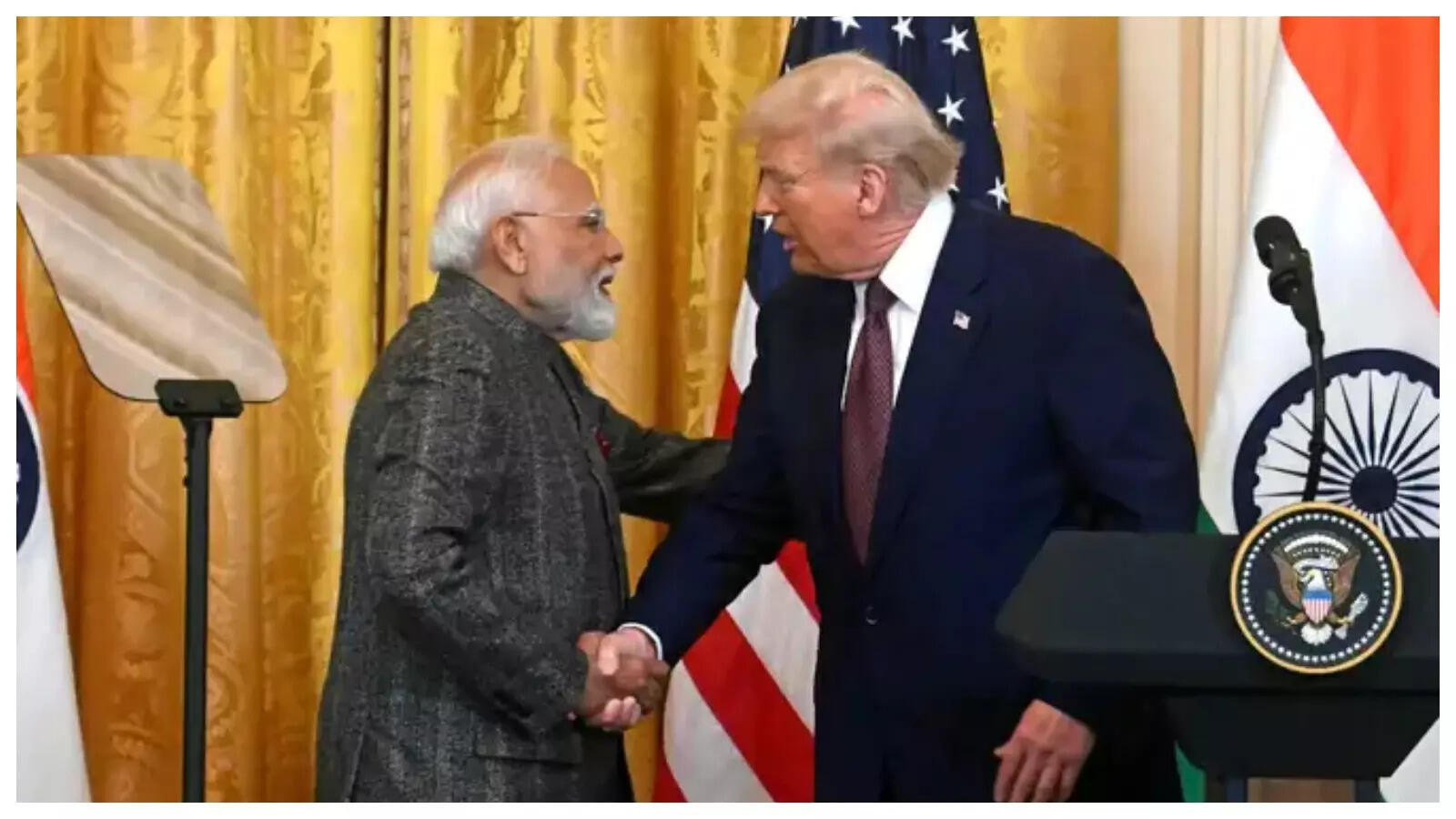
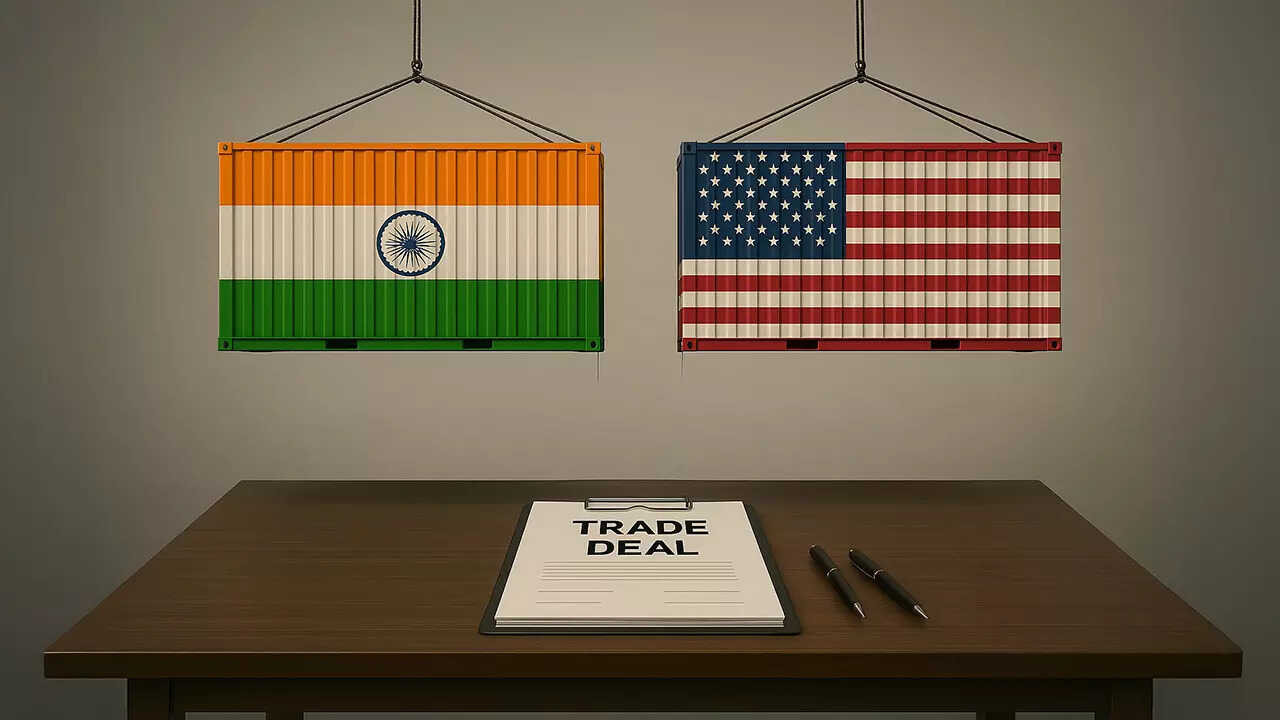
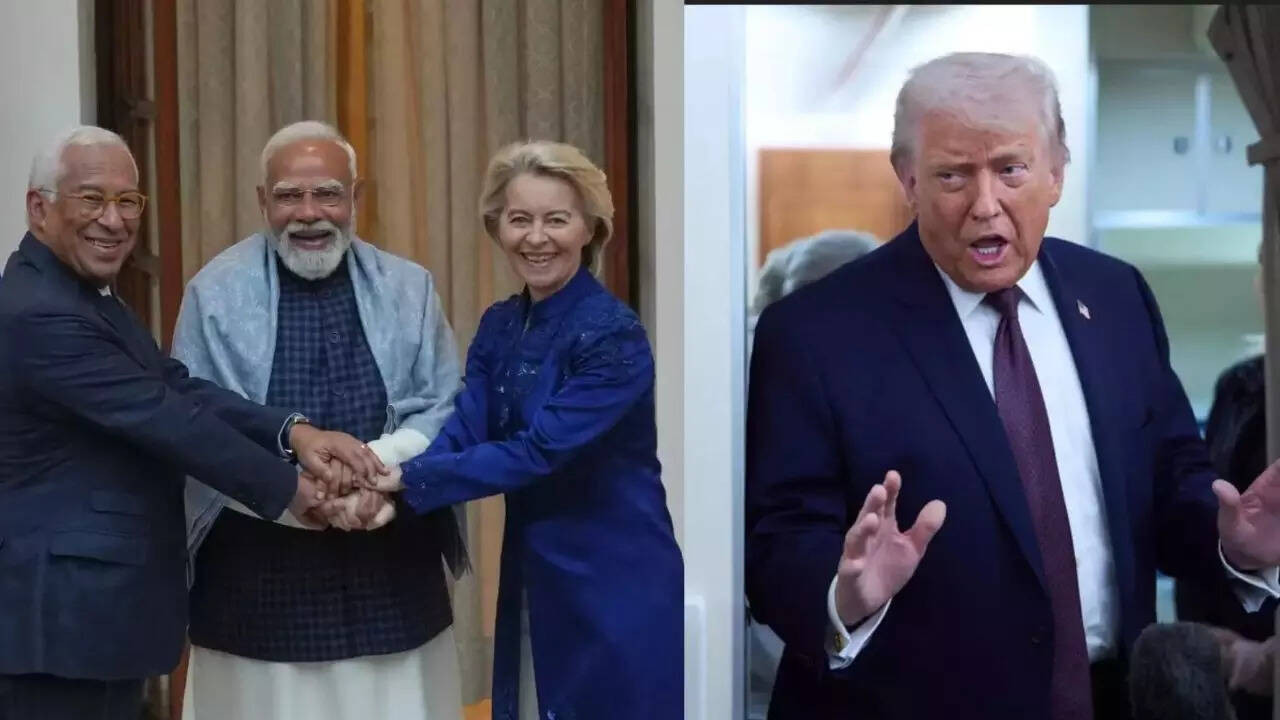
India is carefully reviewing the impact of new US sanctions on Russian oil companies. The nation reiterated its commitment to securing affordable energy for its 1.4 billion people, prioritising national interests and diverse sourcing. Meanwhile, US President Donald Trump said India’s been “very good” in efforts to reduce Russian oil imports.
Navigating the Murky Waters: US Sanctions and India’s Oil Strategy
The global oil market is rarely calm, but recent developments have stirred up a particularly potent cocktail of geopolitical tension and economic strategy. Specifically, the United States has ramped up sanctions against Russian oil companies, prompting a flurry of activity and analysis in nations heavily reliant on energy imports, like India. But what does this all mean for India’s energy security, and how is the nation navigating these complex currents?
The Ministry of External Affairs (MEA) has stated that it is currently studying the implications of these sanctions. This careful consideration is understandable, given India’s position as a major consumer of oil and its ongoing efforts to secure affordable energy sources for its growing economy. The MEA’s stance underscores the delicate balancing act India must perform: maintaining international relations while prioritizing its own energy needs.
India’s Balancing Act: Why Russian Oil Remains a Factor
It’s no secret that India has increased its imports of Russian oil since the conflict in Ukraine began. This decision, while drawing scrutiny from some Western nations, stems from a pragmatic assessment of the global energy landscape. With traditional supply lines disrupted and global prices soaring, Russian oil offered a viable and, often, discounted alternative.

The justification from the Indian side has consistently been that it’s fulfilling its energy demands at the most competitive prices available. This isn’t about taking sides; it’s about ensuring affordable energy access for its vast population. The country’s leaders contend that their priority is the economic well-being of their citizens.
Former US President Donald Trump, on the other hand, has publicly praised India’s approach, calling it a demonstration of the nation’s strategic independence. While this endorsement might seem surprising given the US sanctions regime, it highlights the complex web of global interests at play. Trump’s perspective acknowledges India’s right to pursue its own economic interests, even if they sometimes diverge from Washington’s policies.
Decoding the Sanctions: What’s Really Going On?
The US sanctions primarily target Russian oil companies involved in exploration, extraction, and transportation of crude oil. The goal is to limit Russia’s revenue streams, thereby weakening its ability to fund its ongoing military activities. While these sanctions aren’t directly aimed at countries importing Russian oil, they create a ripple effect across the global energy market.
Indian refineries, for instance, must now be more cautious about dealing with sanctioned entities and navigating potential secondary sanctions. This requires diligent due diligence, meticulous record-keeping, and a clear understanding of the evolving sanctions landscape. Essentially, the cost of doing business with Russia has increased, adding a layer of complexity to India’s procurement process.
The Future of India’s Energy Security and Russian Oil
What does the future hold? It’s difficult to predict with certainty, but several factors will likely shape India’s energy strategy. Diversification of energy sources is definitely high on the agenda. While Russian oil has been a crucial component recently, India is also actively exploring alternative suppliers, including those in the Middle East and Africa.

Furthermore, there’s a growing emphasis on renewable energy sources like solar and wind power. India has set ambitious targets for renewable energy capacity, aiming to reduce its reliance on fossil fuels in the long run. See our related article on [India’s Renewable Energy Revolution].
Ultimately, India’s approach to the US sanctions on Russian oil firms will be a complex interplay of economic necessity, geopolitical considerations, and a commitment to its own energy security. The nation is charting a course that balances its international obligations with the needs of its people, a task that requires careful navigation and strategic foresight. The coming months will reveal how effectively India manages this challenging situation.