Shifting Sands: Is the US Losing its Grip on Global Economic Trust?
The world feels different these days, doesn’t it? The geopolitical tectonic plates are grinding, creating new fault lines in the global economy. And one question seems to be on everyone’s mind: has the United States lost some of its shine as a dependable partner?
That’s certainly the impression you might get from recent comments by S&P Global Ratings Chief Economist, Paul Gruenwald. He’s suggesting a noticeable shift in how the world views the United States’ reliability as an economic ally. It’s not a full-blown crisis of confidence, but rather a subtle erosion of trust, a feeling that the once-unshakeable foundation might be showing some cracks.
So, what’s fueling this sentiment? Let’s unpack some of the potential reasons behind this perceived decline in the US’s standing.
The Debt Ceiling Dance and its Global Ripples
One major factor is undoubtedly the recurring drama surrounding the US debt ceiling. These political showdowns, where the government teeters on the brink of default, send shivers down the spines of investors and governments worldwide. Imagine being reliant on a partner who repeatedly threatens to sabotage their own financial stability – it’s not exactly a comforting thought.
Each debt ceiling crisis chips away at the perception of the US as a responsible fiscal steward. It creates uncertainty and forces other nations to consider hedging their bets, diversifying their investments, and forging alliances with other, perhaps more predictable, players. The political brinkmanship, even when a resolution is ultimately reached, leaves a lingering taste of unease.
Protectionism: America First, but at What Cost?
The shift towards protectionist policies, often packaged under the banner of “America First,” has also contributed to the growing unease. While the intention might be to bolster domestic industries, these policies can be perceived as isolating and detrimental to global trade.

For instance, tariffs imposed on imported goods can disrupt supply chains, inflate prices, and spark retaliatory measures from other countries. This creates a climate of tension and distrust, making it harder to foster strong, collaborative economic relationships. When a major player like the US pulls back from global cooperation, it forces others to reassess their strategies and seek alternative partnerships.

The Rise of Alternative Power Centers
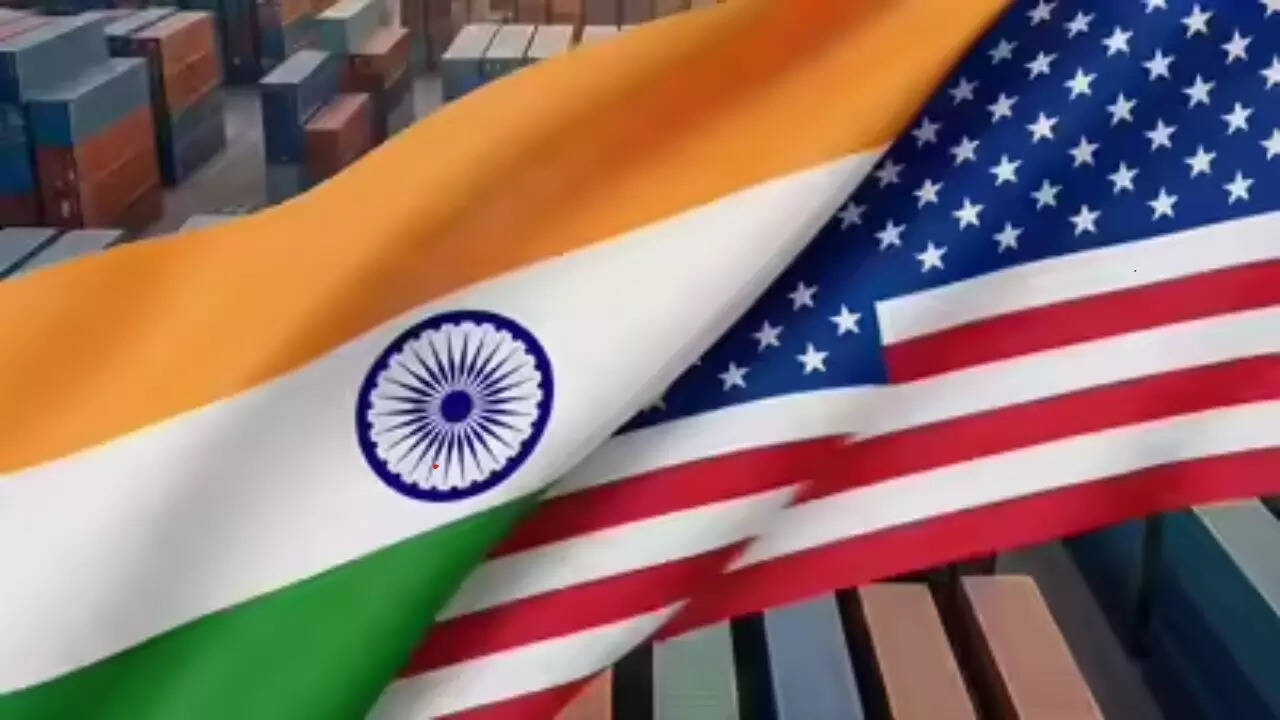
It’s impossible to ignore the emergence of alternative economic powerhouses. Countries like China and India are rapidly growing, expanding their influence on the global stage. This naturally leads to a recalibration of power dynamics.
As these nations become more economically significant, they offer new avenues for trade, investment, and collaboration. Countries that once heavily relied on the US may now have viable alternatives, reducing their dependence and, consequently, their perception of the US as an indispensable partner. This isn’t necessarily about animosity; it’s simply a reflection of a changing global landscape.
Domestic Instability and Political Polarization
Let’s not forget the internal factors at play. The increasing political polarization within the United States, coupled with social and economic inequalities, creates a sense of instability that resonates globally. A nation divided against itself is less likely to project an image of strength and reliability.
The world is watching closely, and internal turmoil can erode confidence in the US’s ability to effectively manage its own affairs, let alone play a leading role in global economic governance.

The Dollar’s Dominance Under Scrutiny
While the US dollar remains the world’s reserve currency, its dominance is being increasingly questioned. Alternative currencies and payment systems are gaining traction, driven in part by a desire to reduce reliance on the US and its financial institutions. This gradual diversification, while not yet posing an immediate threat to the dollar’s supremacy, signals a subtle shift in the global financial architecture.
Rebuilding Trust: A Path Forward
The idea that the US is seen as a less reliable partner is concerning, but it’s not an irreversible situation. Rebuilding trust requires a concerted effort to demonstrate responsible fiscal management, promote fair and open trade practices, and foster greater international cooperation. It also necessitates addressing the underlying social and political divisions that undermine the nation’s stability.
Ultimately, the US needs to reaffirm its commitment to global leadership, not through unilateral actions, but through genuine collaboration and a willingness to address shared challenges. The world needs a reliable partner, and the US has the potential to reclaim that role. However, it will require a fundamental shift in approach and a renewed focus on building trust and fostering mutually beneficial relationships. See [related article on international trade agreements](/international-trade-agreements).
The future of global economic partnerships hangs in the balance, and the US has a crucial role to play in shaping it. Whether it can rise to the occasion and regain the trust it has seemingly lost remains to be seen. But one thing is certain: the world is watching, and the stakes are high.