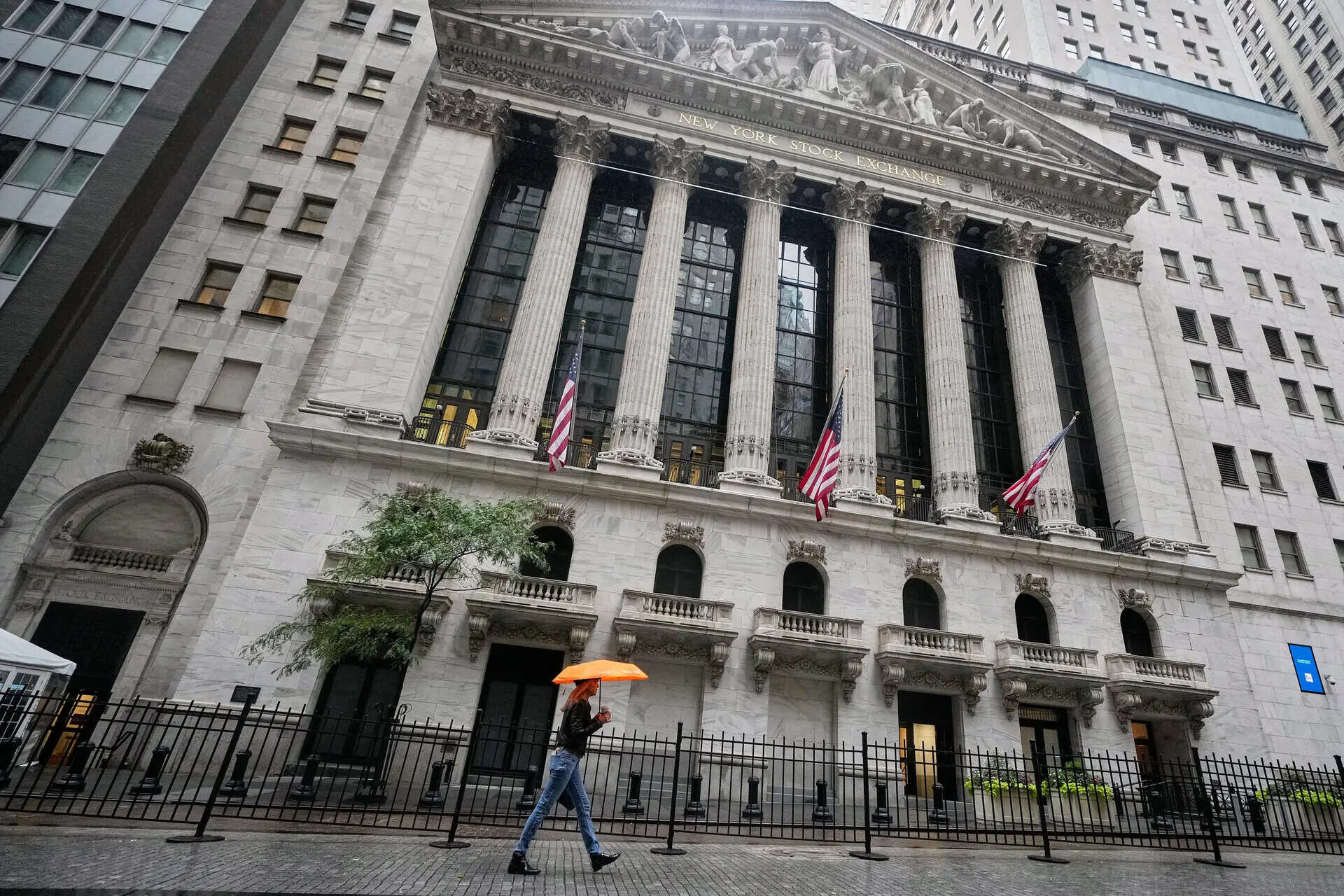
Global stock markets surged on Monday. Investors are optimistic as the US government shutdown nears resolution after a 40-day standoff. A bipartisan deal to fund government operations has been reached. This development brings much-needed clarity on US inflation and the labor market. Pfizer’s acquisition of Metsera also boosted sentiment. European and Asian markets mirrored the gains.
A Sigh of Relief on Wall Street: Is the Government Shutdown Threat Really Fading?
Wall Street breathed a collective sigh of relief. After weeks of uncertainty and market jitters fueled by the looming threat of a US government shutdown, stocks surged yesterday, painting a vibrant picture of optimism across trading floors. The Nasdaq Composite led the charge, soaring over 440 points, while the S&P 500 also enjoyed significant gains. What fueled this sudden burst of enthusiasm? The hope, it seems, lies in signals suggesting that the protracted budget battles in Washington might finally be nearing a resolution.
For weeks, investors have been walking a tightrope, balancing economic data with the constant political brinkmanship emanating from Capitol Hill. The potential fallout from a government shutdown – including disruptions to essential services, delayed economic data releases, and a general chilling effect on business confidence – has weighed heavily on market sentiment. But that anxiety appeared to loosen its grip as lawmakers on both sides of the aisle hinted at progress in negotiations.

Tech Stocks Lead the Way

The tech sector, often seen as a bellwether for broader market sentiment, spearheaded the rally. Companies heavily reliant on government contracts and those sensitive to macroeconomic stability, like those in the semiconductor and software industries, experienced notable upswings. This suggests that investors are betting on a return to a more predictable and stable economic environment, one where innovation and growth aren’t constantly overshadowed by political uncertainty. The surge in tech stocks reflects an underlying belief in continued economic expansion, albeit potentially at a more moderate pace.
Bond Yields Show Subtler Shifts
While the stock market rejoiced, the bond market offered a slightly more nuanced perspective. Bond yields, which often move inversely to stock prices, experienced a more muted reaction. This suggests that while the immediate threat of a government shutdown might be receding, underlying concerns about inflation and future interest rate hikes by the Federal Reserve haven’t entirely dissipated. Investors are cautiously optimistic, acknowledging that the road ahead might still be bumpy.
What’s Next for Investors?
So, what should investors do amidst this shifting landscape? The key, as always, is to remain informed and avoid knee-jerk reactions. While the market’s positive response to the easing shutdown fears is encouraging, it’s crucial to remember that the economic outlook is still subject to various factors. Inflation data, corporate earnings reports, and, of course, the evolving political climate will continue to shape market dynamics.

Diversification remains a cornerstone of sound investment strategy. Spreading investments across different asset classes can help mitigate risk and cushion portfolios against potential market volatility. Rebalancing portfolios periodically to maintain desired asset allocations is also essential.
It’s also a good idea to review your portfolio in light of your long-term financial goals. Are you saving for retirement, a down payment on a home, or another significant life event? Adjusting your investment strategy to align with these goals can help you stay on track, regardless of short-term market fluctuations. Consider revisiting our previous article on [long-term investment strategies](link-to-related-article-on-long-term-investing).
A Cautiously Optimistic Outlook for US Stocks
Yesterday’s market rally undoubtedly provided a welcome boost to investor confidence. The potential resolution of the government shutdown standoff represents a significant step towards restoring stability and predictability to the economic environment. However, it’s crucial to approach the future with cautious optimism. The underlying economic challenges, including inflation and interest rate uncertainty, remain. Staying informed, diversified, and focused on long-term financial goals will be crucial to navigating the complexities of the market and achieving sustainable investment success. The market’s reaction proves just how sensitive it is to governmental stability, and how important it is for investors to stay abreast of US stocks news.