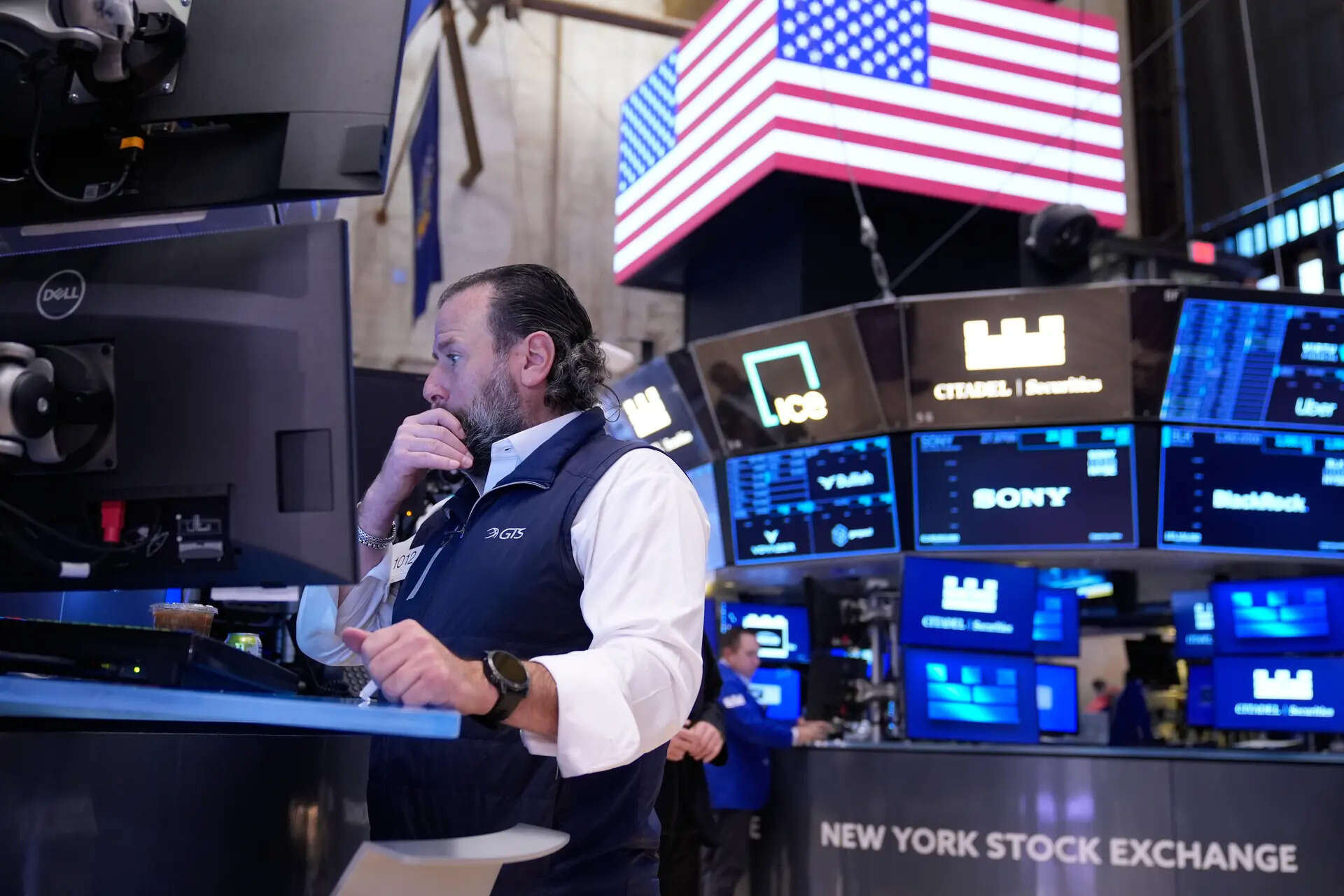
US markets surged on Thursday, buoyed by Nvidia’s stellar earnings and renewed hopes for a Federal Reserve interest rate cut. Nvidia’s strong performance calmed AI enthusiasm concerns, while Walmart’s results also boosted sentiment. Positive global markets mirrored the gains, offering a welcome calm after recent volatility.
Wall Street Roars Back: Are We Seeing a Genuine Recovery?
Wall Street just experienced a shot of adrenaline, and the markets are buzzing. The Dow Jones Industrial Average surged, leaping over 660 points in a single session, while the Nasdaq Composite nearly hit a 2.5% gain. The S&P 500 also joined the party, painting a vivid picture of a market eager to shake off recent anxieties. But what fueled this sudden burst of optimism, and is it a sign of things to come?
The prevailing narrative points towards growing anticipation of another rate cut by the Federal Reserve. For months, investors have been grappling with the uncertainty surrounding inflation and the Fed’s response. The central bank’s aggressive interest rate hikes, aimed at taming rising prices, have undeniably cooled down the economy but also stoked fears of a potential recession. This latest rally suggests a shift in sentiment; the market seems to be betting that the Fed will soon pivot, easing its monetary policy to prevent a sharper economic slowdown.
This hope for a more dovish Fed is not without its rationale. Recent economic data, while still mixed, has shown some signs of cooling inflation. While the fight isn’t over, the whispers of progress are loud enough to be heard on Wall Street. This gives the Fed room to maneuver, potentially implementing smaller rate hikes or even pausing them altogether.

But let’s not get ahead of ourselves. The market is a fickle beast, prone to overreacting to both positive and negative signals. A single day’s rally, however impressive, doesn’t guarantee a sustained upward trend. Several factors could quickly derail this newfound optimism. Unexpectedly strong inflation data, for instance, could force the Fed to maintain its hawkish stance, sending stocks tumbling once again. Geopolitical tensions, persistent supply chain issues, or a sudden downturn in consumer spending could also pour cold water on the rally.

Another element at play is likely the phenomenon of “short covering.” When investors short a stock (betting that its price will decline), they eventually need to buy back those shares to close out their positions. A sudden surge in prices can trigger a scramble to cover these shorts, further amplifying the upward momentum. This can create a temporary boost that doesn’t necessarily reflect the underlying health of the companies involved.
Beyond the macroeconomics, specific sectors also contributed to the overall positive performance. Technology stocks, which have been particularly sensitive to interest rate hikes, led the charge. Companies like Apple, Microsoft, and Amazon saw significant gains, reflecting the belief that lower interest rates would make their future earnings more attractive. Energy stocks also benefited, boosted by rising oil prices amid global supply concerns.

So, what does this mean for the average investor? While it’s tempting to jump on the bandwagon, it’s crucial to exercise caution and maintain a long-term perspective. Market rallies can be exhilarating, but they can also be short-lived. A diversified investment strategy, tailored to your individual risk tolerance and financial goals, remains the best approach. Remember to research companies before investing in them. Understanding a company’s business model, financial health, and competitive landscape is essential for making informed decisions.
In conclusion, Wall Street’s recent surge offers a glimmer of hope amid ongoing economic uncertainty. The rally, fueled by expectations of a Fed rate cut and sector-specific gains, paints a positive picture. However, it’s important to remember that markets are complex and unpredictable. This rally could be the start of something sustained or it could be a temporary upswing before a larger correction. Either way, a cautious approach and a commitment to sound investment principles are essential for navigating the market’s ebbs and flows.
For more insights on managing your investment portfolio during volatile times, consider reading our post on [building a resilient portfolio](internal-link-to-portfolio-article.com).