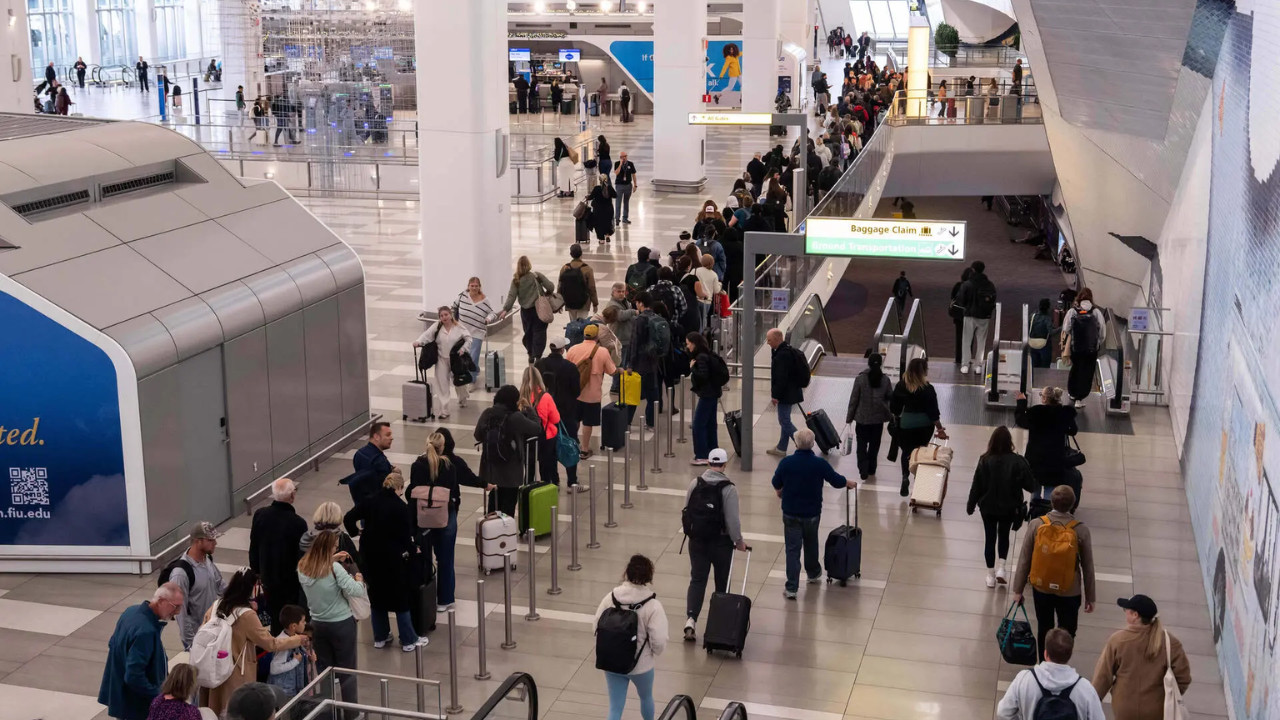
Several international airlines suspended flights from Venezuela following a US aviation alert citing unsafe airspace conditions. This action coincides with heightened US military presence and preparations for new operations targeting President Maduro, raising regional stability concerns. Airlines cited security risks and a lack of guaranteed safety in Venezuelan airspace for their decisions.
Skies on Edge: Airlines Sidestep Venezuela Amid Rising Tensions
The usually bustling airspace over Venezuela is looking a little emptier these days. Several major airlines have recently suspended flights to and from Caracas, the capital city, following a series of escalating tensions between the United States and the South American nation. This sudden disruption leaves travelers scrambling and raises serious questions about the safety of Venezuelan airspace. What’s causing this unease, and what does it mean for the future of air travel in the region?
The driving force behind these cancellations is a warning issued by the Federal Aviation Administration (FAA) citing potential risks to civilian aircraft operating within Venezuelan airspace. These concerns aren’t new; the FAA has previously cautioned airlines about flying over Venezuela. However, the current situation seems to have reached a critical point, prompting airlines to take decisive action.
Specific details of the FAA’s warning remain somewhat veiled, but the agency likely considered a confluence of factors. Lingering political instability in Venezuela, coupled with heightened geopolitical tensions, create a volatile environment. The possibility of misidentification of civilian aircraft or even unintended consequences stemming from military activities are serious threats, particularly in a region with historical sensitivities regarding airspace control.

<img src="image-url-here/venezuela-airspace.jpg" alt="Empty airport in Caracas, Venezuela, highlighting concerns about Venezuela airspace.” width=”600″ height=”400″>
Which airlines have pulled the plug? Major players, including Copa Airlines, have temporarily halted operations to Caracas. Copa, a crucial connection hub for travelers heading to and from South America, cited safety concerns as the primary reason. This decision impacts not just those flying directly to Venezuela, but also those relying on Copa for connecting flights across the continent. Other airlines may be considering similar measures, further isolating Venezuela from the global air travel network.
The ripple effects of these cancellations are already being felt. Passengers are facing flight cancellations, re-routings, and significant delays. The cost of air travel to neighboring countries may also increase as demand surges and airlines adjust their schedules to accommodate displaced passengers. Beyond the immediate inconvenience, the long-term impact on Venezuela’s tourism industry and economy could be substantial. A reliable and accessible air network is vital for attracting investment and fostering trade, and any disruption could have far-reaching consequences.
This isn’t just a local issue; it underscores the broader challenges faced by the aviation industry in navigating geopolitical risks. Airlines constantly assess potential threats, from terrorism to political instability, and must make difficult decisions to prioritize the safety of their passengers and crew. The decision to suspend flights is never taken lightly, as it involves significant financial costs and operational disruptions. However, when safety concerns become paramount, airlines have a responsibility to act decisively.

Looking ahead, the future of air travel to Venezuela hinges on several factors. De-escalation of tensions between the US and Venezuela, coupled with greater transparency and assurances regarding airspace safety, could pave the way for airlines to resume operations. Enhanced communication and coordination between aviation authorities and airlines are also crucial for building trust and ensuring the safe passage of civilian aircraft. Until then, the skies over Venezuela will remain uncertain, and travelers should anticipate potential disruptions and exercise caution when making travel plans. Explore alternative travel options through neighboring countries, for example, consider flights to Colombia and then onward ground transportation if necessary. We’ve got a guide to navigating South American travel right here.
Ultimately, the situation surrounding Venezuela airspace serves as a stark reminder of the interconnectedness of geopolitics and global travel. Airlines are forced to navigate a complex and ever-changing landscape, prioritizing safety above all else while striving to maintain vital connections across the world. How this plays out in the coming months will be closely watched by the entire aviation industry, and by travelers everywhere.