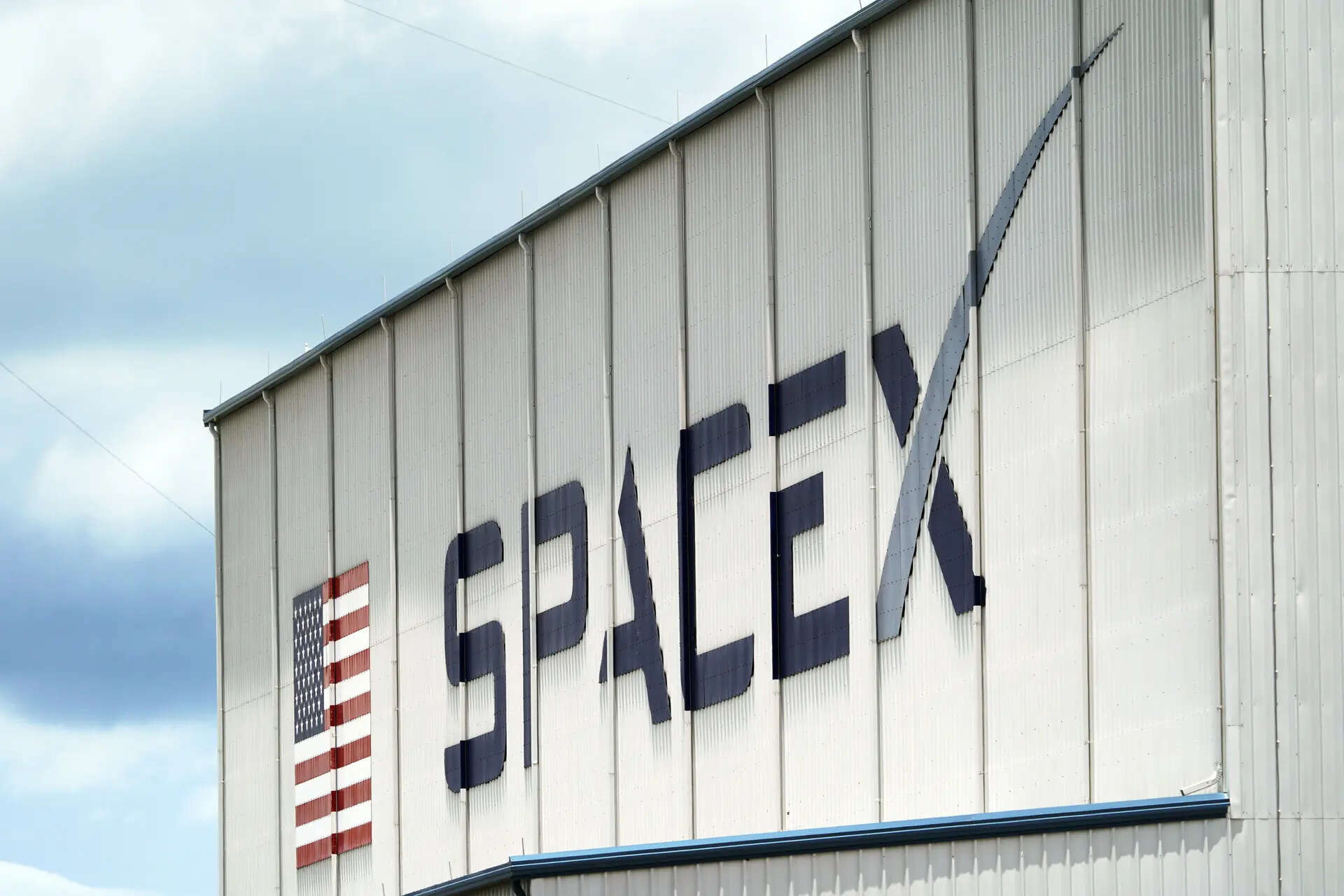
SpaceX is reportedly seeking an $800 billion valuation in a new secondary share sale, potentially surpassing OpenAI as the US’s most valuable private company. This move comes as the company weighs a potential IPO next year, fueled by the success of its Starlink service and its crucial role in government missions.
Is SpaceX Finally Ready for Liftoff on the Stock Market?
For years, whispers have circulated: When will SpaceX go public? The tantalizing prospect of owning a piece of Elon Musk’s groundbreaking rocket company has driven speculation wild. Now, it seems, the timeline may be solidifying, and the potential rewards could be astronomical. Recent signals from SpaceX suggest a possible SpaceX IPO in 2026, aiming for a staggering $800 billion valuation. That figure alone is enough to send shivers down the spines of investors.
The private space sector has exploded in recent years, fueled by innovation and a renewed focus on space exploration and commercialization. SpaceX has been at the forefront of this revolution, achieving milestones previously thought impossible. From reusable rockets dramatically reducing the cost of space travel to ambitious plans for Mars colonization, SpaceX continues to push the boundaries of what’s achievable.
But why the shift towards a public offering now? Several factors likely contribute to this potential move.
#### Fueling Future Growth: The Need for Capital
Space exploration is expensive. Very expensive. Developing new technologies, expanding infrastructure, and pursuing ambitious projects like Starship require significant capital investment. While SpaceX has secured considerable private funding, an SpaceX IPO would unlock access to a vast pool of public investment, allowing the company to accelerate its growth trajectory and pursue even more ambitious goals. Imagine the projects SpaceX could take on with billions more in capital!

#### Starship: The Key to Unlocking Value
Much of SpaceX’s future value hinges on the success of Starship, its next-generation, fully reusable spacecraft designed to transport humans and cargo to the Moon, Mars, and beyond. Starship’s development has faced challenges, but its potential is immense. Successfully demonstrating Starship’s capabilities would undoubtedly bolster investor confidence and drive up SpaceX’s valuation in a public offering. Investors are eagerly watching each Starship test flight, understanding the pivotal role this technology plays in SpaceX’s future.
#### Competition Heats Up in the Space Race
While SpaceX currently dominates the private space launch market, competition is intensifying. Companies like Blue Origin (founded by Jeff Bezos) and Rocket Lab are vying for a larger share of the pie. Going public could provide SpaceX with the financial muscle to stay ahead of the competition and maintain its leadership position in this rapidly evolving industry. The space race is no longer just a government affair; it’s a competitive landscape where agility and financial strength are crucial.
#### What Does This Mean for Investors?
The prospect of investing in SpaceX is undoubtedly enticing. However, it’s essential to approach any potential SpaceX IPO with caution and due diligence. Investing in a company like SpaceX carries inherent risks, including technological challenges, regulatory hurdles, and the volatility of the space industry. Investors should carefully consider their risk tolerance and conduct thorough research before making any investment decisions. Moreover, the initial valuation of $800 billion is ambitious, and its attainability will depend heavily on market conditions and investor sentiment at the time of the offering.

Before rushing in, potential investors should ask themselves key questions: What is SpaceX’s realistic path to profitability? How will the company navigate the competitive landscape? And what are the potential risks associated with its ambitious long-term goals, such as Mars colonization?
#### More Than Rockets: SpaceX’s Broader Vision
While rocketry is at its core, SpaceX’s ambitions extend far beyond simply launching satellites and sending astronauts into orbit. The company envisions a future where humanity is a multi-planetary species, and it is actively working to make that vision a reality. This long-term, audacious goal differentiates SpaceX from its competitors and appeals to investors who are looking for companies with a transformative vision.
Whether the 2026 timeline holds true, one thing is clear: the potential for a SpaceX IPO is generating immense excitement in the investment community. The prospect of owning a piece of a company that is literally reaching for the stars is a powerful draw. As SpaceX continues to push the boundaries of space exploration, the world will be watching closely to see if this ambitious venture will also conquer the stock market. Learn more about other investment opportunities and how to prepare your portfolio by checking out our guide to diversifying your investments.
The future of SpaceX, and indeed the future of space exploration, may well depend on the success of this highly anticipated IPO. The launch window is opening; will investors be ready for liftoff?