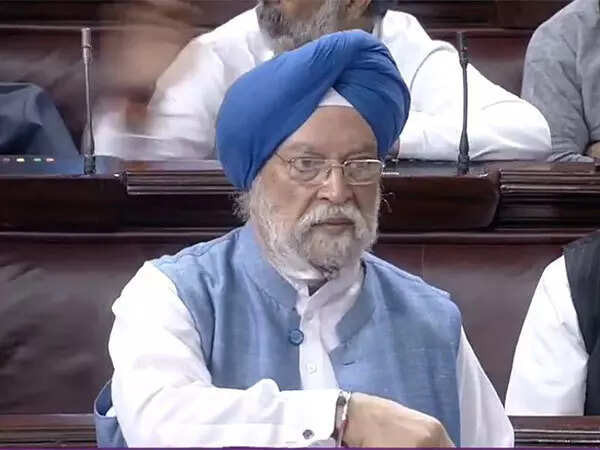
Union Minister Hardeep Singh Puri voiced disappointment regarding the low valuation of state-owned oil marketing companies, despite their significant profits. He suggested considering partial ownership sales to boost efficiency, though no immediate plans exist, clarifying BPCL is not on the block. Puri highlighted OMCs’ autonomy and strong dividend returns, dismissing ethanol blending concerns.
Shaking Up the Oil Patch: Could Partial Privatization Be the Answer?
India’s state-run oil giants are feeling the heat. Not from rising crude prices, but from a perceived lack of market appreciation. The government, a major shareholder in these companies, has voiced its disappointment with their current valuations, igniting a flurry of speculation about potential strategic shifts. The question on everyone’s lips: is a partial sell-off the key to unlocking their true potential?
For years, these Public Sector Undertakings (PSUs) have been the backbone of India’s energy sector, powering economic growth and shouldering significant responsibility for the nation’s energy security. However, despite consistent performance and substantial contributions to the national exchequer, their stock market performance hasn’t always reflected their inherent value. This disconnect has led to some serious brainstorming in the corridors of power.
Why the Valuation Blues?
So, what’s behind this valuation gap? Several factors are likely at play. Firstly, PSUs often operate under a unique set of constraints, influenced by governmental policies and social responsibilities. This can sometimes lead to decisions that, while beneficial for the broader economy, may not maximize short-term shareholder returns.
Secondly, there’s the perception of bureaucratic inertia. Private sector companies are often seen as more agile and responsive to market dynamics. The sheer size and complexity of these oil behemoths can make it challenging to adapt quickly to evolving industry trends and technological advancements. Investors, always seeking the best return on investment, may therefore favor companies perceived as more dynamic and less encumbered.
Finally, global market sentiment and macroeconomic factors play a significant role. Volatility in oil prices, fluctuating currency rates, and geopolitical uncertainties can all impact investor confidence, leading to fluctuations in stock valuations.

The Potential of Partial Privatization

The government’s reported consideration of selling partial ownership stakes is a bold move that could potentially address these concerns. By bringing in private investors, the government hopes to inject a dose of market discipline and encourage more efficient operations. This could involve diluting the government’s stake through an Offer for Sale (OFS) or strategic partnerships with other energy companies.
Imagine the possibilities: access to cutting-edge technology, streamlined decision-making processes, and a sharper focus on profitability. Private investors often bring with them a wealth of expertise and a relentless pursuit of efficiency, which could translate into significant improvements in the performance of these oil companies.
Furthermore, a more diversified shareholder base could lead to better corporate governance and increased transparency, enhancing investor confidence and ultimately boosting valuations.
Navigating the Road Ahead
Of course, the road to partial privatization isn’t without its potential bumps. Concerns about job security, the potential impact on social programs, and the need to safeguard national interests are all legitimate considerations that need careful attention. The government will need to tread carefully, ensuring that any such move is implemented in a transparent and equitable manner, protecting the interests of all stakeholders.
One crucial aspect will be maintaining a balance between attracting private investment and retaining strategic control. The government will likely want to retain a significant stake in these companies to ensure that they continue to serve the nation’s energy needs and contribute to its economic development.

Another critical factor is timing. Market conditions, global oil prices, and investor sentiment will all play a crucial role in determining the success of any potential stake sale. The government will need to carefully assess the market and choose the right moment to launch any offering.
A Transformative Opportunity
Ultimately, the potential partial privatization of these oil firms represents a significant opportunity to unlock hidden value, enhance efficiency, and attract much-needed investment into the Indian energy sector. It’s a chance to revitalize these national champions and position them for future success in an increasingly competitive global landscape.
The move towards greater efficiency in the energy sector complements other initiatives, like the push for renewable energy discussed in our article on [solar energy investments in India](internal-link-to-solar-energy-article). A diversified energy portfolio, alongside efficient management of resources, is key to India’s continued economic growth.
This is not just about boosting stock prices; it’s about creating a more dynamic, efficient, and competitive energy sector that can power India’s growth for decades to come. The move toward partial ownership could be the catalyst these companies need to realize their full potential and deliver greater value to the nation.