The World Economic Forum predicts a period of weak global growth and disruption, though emerging markets like South Asia show promise. India, despite being the fastest-growing major economy, faces challenges from new US tariffs. Economists anticipate trade disruptions and policy uncertainty will weaken global growth in 2026, while also expecting divergence between advanced and developing economies to widen.
The Road Ahead: Navigating a Shifting Global Economic Landscape
The world feels… different. Not quite the roaring twenties redux some might have hoped for after emerging from pandemic lockdowns. Instead, a sense of cautious optimism, tempered by the undeniable headwinds buffeting the global economy. The latest World Economic Forum (WEF) survey paints a picture of a world grappling with disruption, and it suggests the road to sustained growth might be bumpier than anticipated.
A Look at the Horizon: Global Growth Concerns Emerge
The survey, drawing insights from leading economists, signals a potentially weaker global outlook for 2026. While immediate concerns about a recession have eased, a significant portion of respondents anticipates a slowdown in global growth over the next three years. This isn’t just a feeling in the air; it’s a consensus emerging from the individuals tasked with understanding and forecasting these complex systems.
What’s fueling this unease? A cocktail of factors, really. Persistent inflation, although showing signs of moderating in some regions, remains a concern. Geopolitical tensions continue to simmer, casting shadows over international trade and investment. And, perhaps most significantly, the survey highlights the disruptive force of technological advancements and the ongoing energy transition. These are seismic shifts, and their full impact is still unfolding.
US Tariffs: A Potential Stumbling Block for India’s Ascent

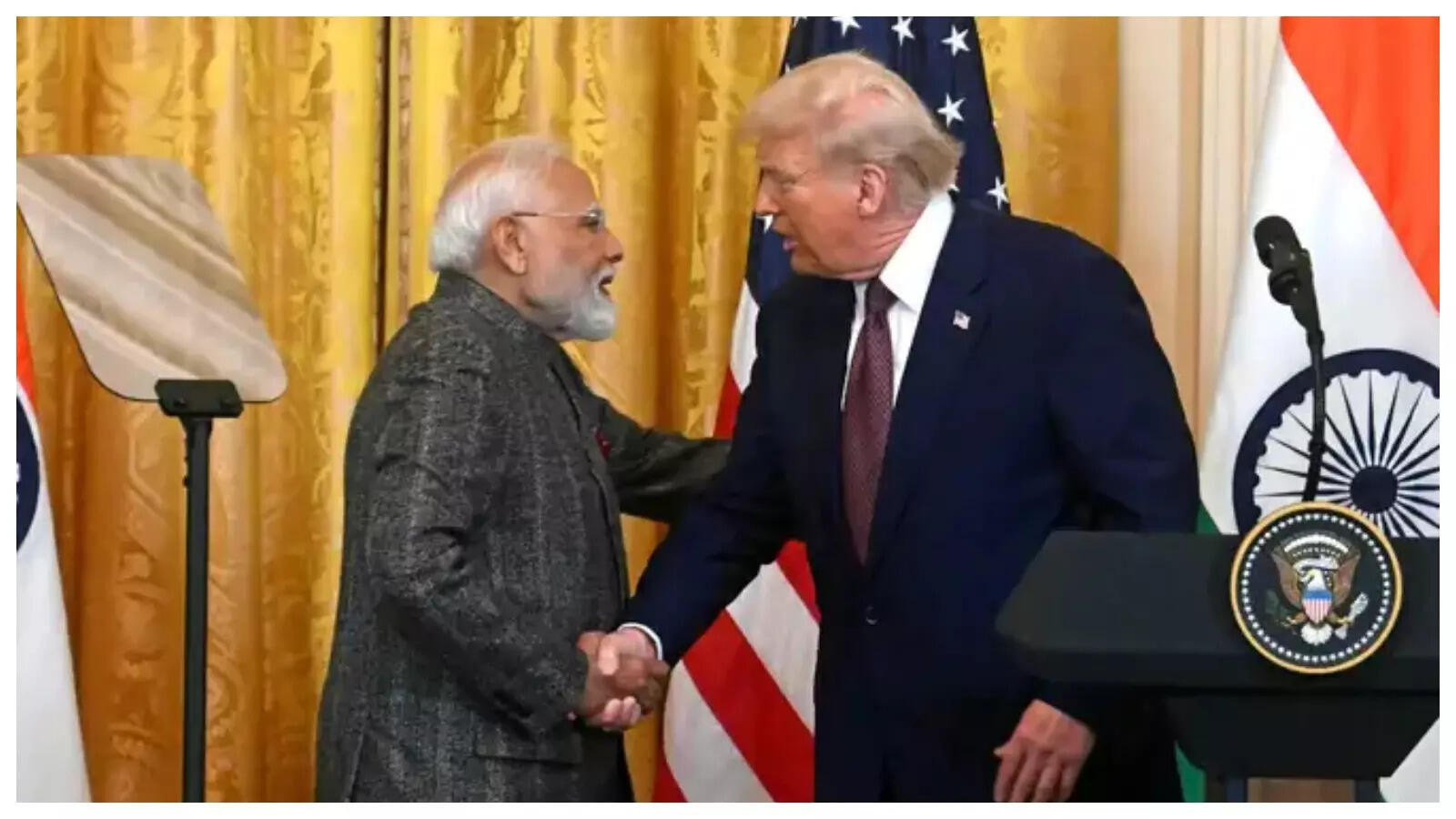
The report specifically calls out potential challenges for India stemming from US trade policies. While India has emerged as a bright spot in the global economy, its growth trajectory isn’t immune to external shocks. The imposition of tariffs by the United States on Indian exports could significantly impact key sectors, hindering the nation’s ambition to become a major global manufacturing hub.

The complexities of international trade agreements mean that even seemingly small shifts in policy can have cascading effects across the globe. India, with its growing economy and increasing reliance on exports, is particularly vulnerable to protectionist measures implemented by major trading partners. This underscores the importance of diversifying export markets and strengthening domestic demand to mitigate potential risks. You might find our article on [India’s emerging tech sector](internal-link-here) insightful in this context.
Beyond the Headlines: Understanding the Nuances
It’s crucial to remember that economic forecasts are not crystal balls. They are based on current data and prevailing assumptions, which can change rapidly. However, the WEF survey serves as a valuable early warning system, highlighting potential vulnerabilities and prompting policymakers to take proactive measures. The key takeaway isn’t necessarily the exact growth figures projected, but rather the identification of key risks and opportunities that lie ahead.
Inflation and Interest Rates: A Delicate Balancing Act

The survey reveals a split among economists regarding the future path of inflation and interest rates. While some believe that inflation will continue to ease, allowing central banks to gradually lower interest rates, others remain concerned about the persistence of inflationary pressures, potentially requiring further tightening of monetary policy. This divergence of opinion underscores the inherent uncertainty surrounding the economic outlook and the challenges faced by central bankers in navigating this complex landscape.
The path forward requires a delicate balancing act – managing inflation without stifling economic growth. Central banks need to carefully calibrate their policies, taking into account both domestic and global factors. Transparency and clear communication are also essential to manage expectations and avoid unnecessary market volatility.
Navigating the Future: A Call for Collaboration and Innovation
The WEF survey paints a realistic, if somewhat cautious, picture of the global economic landscape. It highlights the challenges we face – from geopolitical tensions and trade disruptions to technological change and the energy transition. However, it also underscores the opportunities that exist. By embracing innovation, fostering collaboration, and adopting sound economic policies, we can navigate these challenges and build a more resilient and sustainable future.
The coming years will require adaptability and foresight. Businesses will need to embrace new technologies and adapt to changing consumer preferences. Governments must create supportive regulatory environments and invest in education and infrastructure. And individuals will need to be prepared to reskill and adapt to the changing demands of the labor market. Ultimately, success will depend on our collective ability to navigate this complex and uncertain world with resilience, innovation, and a shared commitment to building a more prosperous future for all.