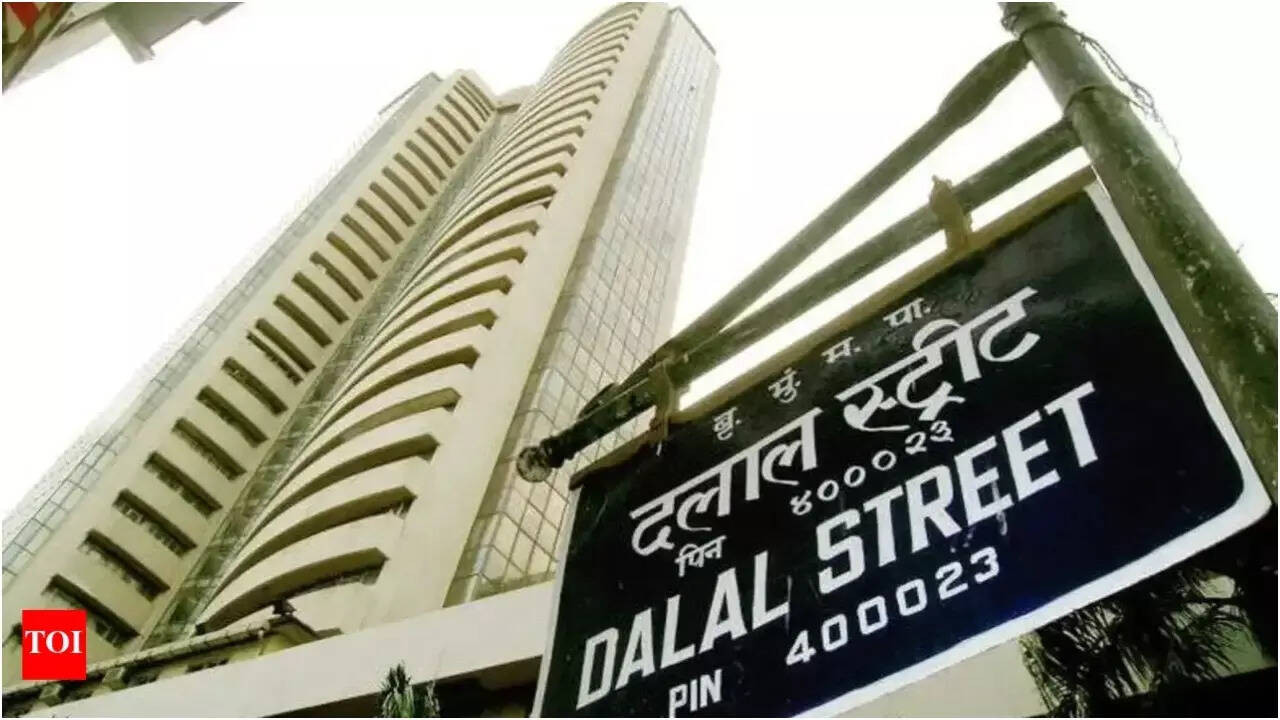
Index May Hit 1L By Dec ’26; External Factors Pose Risks, Say Analysts
Navigating the Economic Currents: What Could Drive the Sensex in 2025?
The Indian stock market, a vibrant reflection of the nation’s economic aspirations, is constantly under scrutiny. After a year of robust performance, investors are now looking ahead, trying to decipher the signals and identify the potential catalysts that could shape the Sensex’s trajectory in 2025. What factors will act as tailwinds, and which might present headwinds? Forget crystal balls; let’s dive into the real-world economic forces at play.
Several key elements are poised to influence market sentiment and, consequently, the Sensex. The potential impact of a Goods and Services Tax (GST) rate cut is high on the list. The GST, a unified indirect tax levied on goods and services, has been a game-changer for the Indian economy. A reduction in GST rates, particularly for specific sectors, could inject fresh impetus into consumption, boosting demand and, by extension, corporate earnings. The hope here is that lower taxes translate directly into increased purchasing power for consumers, spurring economic activity.
However, the government’s approach will be crucial. Targeted tax cuts, carefully designed to address specific sectoral challenges, are likely to be more effective than broad-based reductions. For instance, lowering GST on items with high price elasticity of demand could trigger a significant upswing in sales.
The ripple effects of such a move extend beyond immediate consumption. Increased corporate profitability could lead to higher investments in capacity expansion, job creation, and research and development. This virtuous cycle of growth could positively impact investor sentiment and drive up stock valuations, pushing the Sensex higher.

Another significant factor lurking in the background is global economic uncertainty. Geopolitical tensions, inflationary pressures in developed economies, and the potential for further interest rate hikes by central banks worldwide could all cast a shadow on the Indian market. India, despite its growing economic independence, is still intertwined with the global economy. External shocks, such as a sharp slowdown in global trade, could negatively affect Indian exports and impact corporate earnings. Navigating these external risks effectively will be crucial for sustaining the Sensex’s upward momentum.

The X-Factor: GST Cut and its Economic Impact
The “X-factor,” as some analysts are calling it, refers to the unpredictable nature of the market’s response to these various influences. While we can identify the key drivers, the magnitude of their impact remains uncertain. A carefully calibrated GST cut, coupled with a stable global environment, could unlock significant growth potential. Conversely, a poorly timed or implemented tax cut, combined with escalating global risks, could lead to market volatility and a slowdown in the Sensex’s upward trajectory.
Policy consistency will be vital. Frequent changes in tax regulations can create uncertainty and discourage investment. A clear and predictable policy environment, supported by effective communication from the government, is essential for building investor confidence and fostering sustainable growth.
Furthermore, the health of the Indian banking sector will play a pivotal role. A robust and well-capitalized banking system is crucial for supporting economic growth by providing credit to businesses and consumers. Addressing non-performing assets (NPAs) and strengthening regulatory oversight are essential steps for ensuring the stability of the banking sector and its ability to fuel future growth. You might also be interested in reading about [the role of fintech in driving financial inclusion](internal-link-to-related-article).

Beyond these specific factors, broader economic reforms aimed at improving infrastructure, streamlining regulations, and promoting innovation will also contribute to the long-term health of the Indian economy and the performance of the Sensex. These reforms, while often gradual in their impact, lay the foundation for sustainable and inclusive growth.
Looking Ahead: Balancing Optimism with Prudence
Predicting the future of the stock market is always a challenging endeavor. However, by carefully analyzing the key economic drivers, we can gain a better understanding of the potential risks and opportunities that lie ahead. While the prospect of a GST rate cut offers a tantalizing glimpse of future growth, it is essential to remain vigilant and adapt to the ever-changing economic landscape. Investors should focus on fundamentally strong companies with sustainable business models and avoid getting caught up in short-term market hype. A balanced approach, combining cautious optimism with prudent risk management, is the best strategy for navigating the uncertainties of the market and achieving long-term investment success.