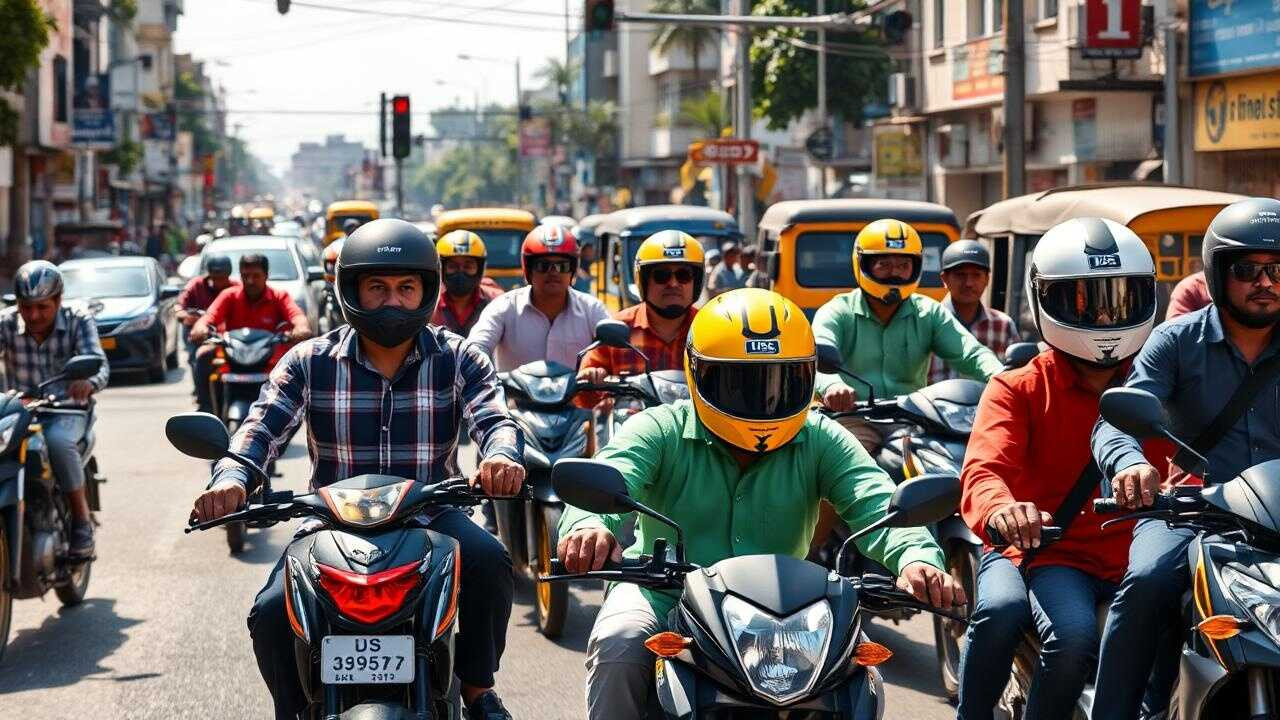
To enhance road safety for two-wheeler users, the Centre has directed states to take strict action against manufacturers and sellers of substandard helmets. The sale of non-certified helmets poses a significant risk and violates the Quality Control Order. BIS has intensified surveillance, conducting search-and-seizure operations and testing helmet samples.
Is Your Helmet Really Protecting You? India’s Crackdown on Substandard Gear
Riding a motorcycle offers a sense of freedom unlike any other. The open road, the wind in your hair (or what’s left of it), and the pure exhilaration of the ride. But that freedom comes with a responsibility: protecting yourself. And the most crucial piece of safety equipment? Your helmet.
For too long, a flood of substandard helmets has plagued the Indian market, offering riders a false sense of security while providing little to no actual protection in the event of a crash. These flimsy lids, often masquerading as legitimate safety gear, put countless lives at risk. Finally, there’s a push to change things.
The central government is cracking down on these dangerous helmets, urging stricter enforcement of Bureau of Indian Standards (BIS) compliance. This isn’t just about ticking boxes; it’s about saving lives. How effective this will be remains to be seen, but it’s a vital first step.
Why BIS Compliance Matters For Your Helmet
The BIS certification is more than just a sticker. It represents rigorous testing and adherence to specific safety standards. Helmets bearing the BIS mark have undergone a battery of tests to ensure they can withstand the impacts and forces encountered in a motorcycle accident. This includes impact absorption, penetration resistance, and retention system strength – all crucial for protecting your head and brain.
Substandard helmets, on the other hand, often lack these essential safety features. They may shatter upon impact, fail to adequately absorb energy, or even come loose during a crash, leaving riders vulnerable to severe injuries or fatalities. You might think you’re saving a few rupees, but you’re actually gambling with your life.


The Government’s New Push for Road Safety
The recent directive from the government highlights the urgent need for stricter enforcement of existing regulations. This isn’t a new rule, but rather a renewed commitment to ensuring that only BIS-certified helmets are sold and used on Indian roads. State transport departments are being urged to take decisive action against manufacturers, distributors, and retailers who continue to peddle these dangerous products.
This crackdown includes increased inspections, seizure of non-compliant helmets, and hefty penalties for those found violating the standards. The goal is to create a market where only safe and reliable helmets are available to riders.
What You Can Do to Ensure Your Safety
The government’s efforts are important, but ultimately, your safety is your responsibility. Here’s what you can do to make sure your helmet is up to the task:
* Look for the BIS mark: Always check for the ISI mark on the helmet before you buy it. This is your assurance that the helmet has been tested and certified to meet Indian safety standards.
* Buy from reputable sources: Purchase your helmet from authorized dealers or reputable retailers. Avoid buying from roadside vendors or online marketplaces where the authenticity of the product may be questionable.
* Check the fit: A properly fitted helmet is crucial for optimal protection. Make sure the helmet fits snugly and comfortably, without being too tight or too loose. You should not be able to easily move the helmet around on your head.
* Replace damaged helmets: If your helmet has been involved in an accident, or if it shows signs of damage, replace it immediately, even if there’s no visible damage. The impact-absorbing liner may be compromised.

* Educate others: Spread awareness about the importance of using BIS-certified helmets and the dangers of substandard gear. Encourage your friends, family, and fellow riders to prioritize safety. For more in-depth information on safe riding practices, check out our guide to motorcycle safety gear.
The Road Ahead: A Safer Future for Riders
The government’s renewed focus on helmet safety is a welcome step towards creating a safer environment for motorcycle riders in India. But enforcement is key. This initiative needs to be sustained and consistently applied to truly make a difference. Furthermore, public awareness campaigns are essential to educate riders about the importance of BIS-certified helmets and the risks associated with substandard products.
The ultimate goal is to make substandard helmets a thing of the past and ensure that every rider on the road has access to reliable and effective head protection. This crackdown, combined with increased awareness and individual responsibility, has the potential to significantly reduce motorcycle-related fatalities and injuries, making our roads safer for everyone.
Ultimately, the effectiveness of this push hinges on consistent enforcement and increased awareness. Only then can we truly protect the lives of those who enjoy the freedom of the open road. The future of motorcycle helmets in India looks promising, but vigilance is crucial.