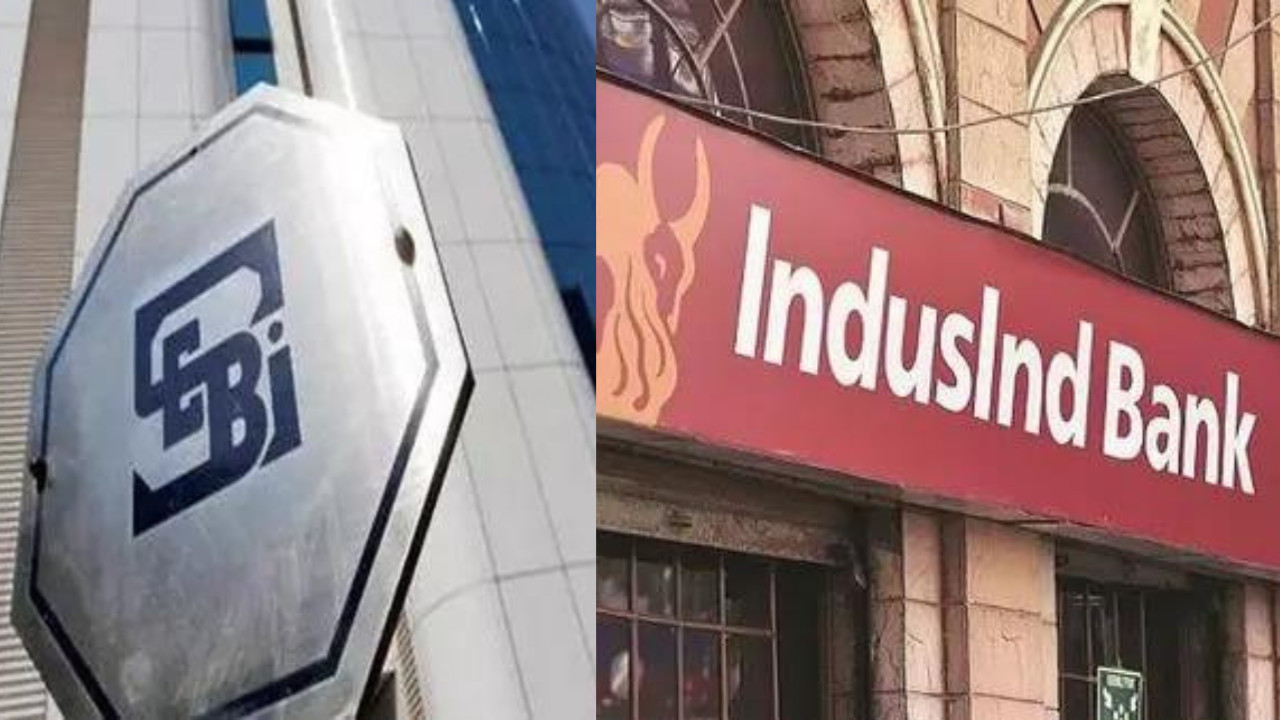
Sebi has barred former IndusInd Bank CEO Sumant Kathpalia and four others from the securities market, impounding ₹19.78 crore. The regulator alleges they traded on unpublished price-sensitive information related to an RBI directive impacting the bank. This action follows Sebi’s investigation into potential accounting frauds within IndusInd Bank.
The IndusInd Whistle: What’s Up With This SEBI Order & What Does It Mean?
Okay, let’s talk about something making waves in the banking world. You know IndusInd Bank, right? Big player. Well, their former CEO, Sumant Kathpalia, and a few others are now facing some serious heat from SEBI, the Securities and Exchange Board of India – the big boss when it comes to regulating our markets. SEBI has just slapped an order on them, essentially barring them from accessing the securities market. That’s a pretty significant move, and it definitely begs the question: what’s going on?
The story, as it’s unfolding, is centered around allegations of some potentially shady dealings related to the bank’s disclosures, specifically, allegedly inflating the number of loans the bank had disbursed. The order suggests that Kathpalia and others may have been involved in actions that misrepresented the true financial health of the bank. This isn’t just about a minor accounting error; we’re talking about potential manipulation of data that could have misled investors and, consequently, impacted the bank’s stock price.
Now, this isn’t a judgment, mind you. It’s an interim order from SEBI. Think of it like a temporary suspension while they dig deeper. They’re basically saying, “Hold up a minute, folks. We need to figure out what happened here, and you’re going to sit on the sidelines until we do.”
So, what specifically did they allegedly do? Well, the order points to concerns about the way the bank handled certain loan disbursements. The core issue seems to be around the reporting of these loans, particularly the figures that were publicly released to investors. If these figures were indeed inflated, it would paint a rosier picture of the bank’s performance than was actually the case. And that, my friends, is a big no-no.

Think about it. As investors, we rely on the information companies provide to make informed decisions. We look at their earnings, their loan portfolios, and their growth projections to decide where to put our money. If that information is deliberately skewed, it’s a breach of trust and a violation of market regulations.
But let’s not jump to conclusions. Remember, everyone is innocent until proven guilty. Kathpalia and the other individuals named in the order will have the opportunity to defend themselves and present their side of the story to SEBI. This is a legal process, and it needs to run its course.
What makes this situation particularly interesting, though, is the high profile of those involved. Sumant Kathpalia was the CEO of a major bank, a position of significant responsibility and influence. For him to be implicated in something like this sends a shockwave through the financial community. It’s a stark reminder that nobody is above the law, and regulators are keeping a close watch on even the highest-ranking executives.
The timing of this order is also noteworthy. Kathpalia recently stepped down as CEO, and this investigation certainly casts a shadow over his tenure. It raises questions about the culture of compliance within the bank during his leadership and whether adequate safeguards were in place to prevent such alleged wrongdoings.
Now, what’s the likely impact of all this? Well, in the short term, you can expect some volatility in IndusInd Bank’s stock price. Investors tend to get nervous when these kinds of investigations come to light. There’s uncertainty, and uncertainty always breeds fear. But more broadly, this case could have a chilling effect on the entire banking sector. It serves as a warning to other institutions to ensure that their disclosures are accurate, transparent, and above board.

Ultimately, the SEBI order is a reminder that market integrity is paramount. Regulators have a crucial role to play in ensuring that companies are playing by the rules and that investors are protected from misleading information. This case, like others before it, underscores the importance of strong corporate governance and ethical leadership within financial institutions.
So, what’s next? SEBI will continue its investigation, gather evidence, and hear from all parties involved. The process could take months, perhaps even years. At the end of it, SEBI will issue a final order, which could include further penalties, fines, or even more severe sanctions. Until then, it’s a waiting game. But one thing is certain: this case will be closely watched by the entire financial community, and its outcome will have a lasting impact on how banks operate and how markets are regulated in India. It is indeed a developing story.
📬 Stay informed — follow us for more insightful updates!